

Introduction
Compound sweeteners, also known as blended sweeteners or compound sugar substitutes, are becoming increasingly popular in the global food and beverage industry. As consumers demand healthier products with lower sugar content, manufacturers are seeking advanced sweetening solutions that can deliver sweetness, improve taste, reduce calories, and lower production costs.
Compound sweeteners combine two or more sweetening ingredients to achieve a balanced sweetness profile. These ingredients may include high-intensity sweeteners, sugar alcohols, natural sweeteners, and functional additives. Compared with single sweeteners, compound sweeteners provide better taste, improved stability, and wider application possibilities.
This article explores what compound sweeteners are, their key advantages, common applications, and the latest market trends.
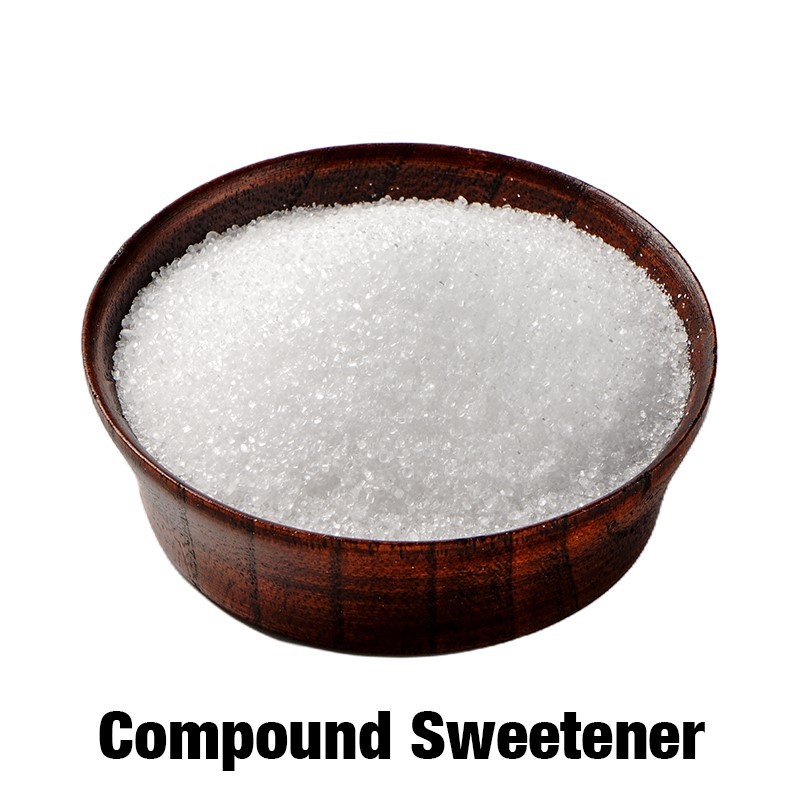
What Are Compound Sweeteners?
Compound sweeteners are formulated mixtures of different sweetening agents designed to create a synergistic sweetening effect. By combining multiple sweeteners, manufacturers can overcome the limitations of individual ingredients.
For example:
Aspartame may have a clean sweetness but poor heat stability.
Sucralose offers excellent sweetness intensity but can sometimes leave a lingering taste.
Stevia is natural but may create bitterness at high levels.
Erythritol provides bulk but has lower sweetness.
Through scientific formulation, compound sweeteners can optimize sweetness performance while minimizing undesirable aftertaste.
Key Benefits of Compound Sweeteners
1. Improved Taste Profile
One of the biggest advantages of compound sweeteners is taste optimization. Different sweeteners complement each other, resulting in a sweetness profile closer to natural sugar.
Manufacturers can reduce bitterness, metallic aftertaste, or lingering sweetness by blending ingredients properly.
2. Reduced Sugar and Calories
Consumers are becoming more health-conscious and increasingly prefer low-sugar and sugar-free products. Compound sweeteners help manufacturers reduce sucrose usage while maintaining sweetness.
This is especially important in:
Sugar-free beverages
Low-calorie desserts
Functional drinks
Diet foods
Healthy snacks
3. Cost Optimization
Some sweeteners are expensive when used alone. By combining different ingredients, manufacturers can reduce formulation costs while maintaining performance.
Compound sweeteners can also improve sweetness efficiency, meaning smaller amounts are needed to achieve the desired sweetness level.
4. Better Stability
Many compound sweeteners provide better thermal stability and pH resistance compared with single sweeteners.
This makes them suitable for:
High-temperature baking
Pasteurized beverages
Acidic drinks
Frozen desserts
5. Customized Solutions
Food manufacturers often require different sweetness profiles depending on the product category. Compound sweeteners can be customized for specific applications, including dairy products, beverages, bakery products, sauces, and confectionery.
Applications of Compound Sweeteners
Beverage Industry
Compound sweeteners are widely used in:
Carbonated drinks
Fruit juice beverages
Energy drinks
Milk tea products
Instant drink powders
Sports beverages
They help reduce sugar content while maintaining refreshing taste.
Dairy Products
In yogurt, flavored milk, and ice cream products, compound sweeteners improve sweetness balance and mouthfeel.
Bakery Products
Heat-stable compound sweeteners are suitable for cakes, cookies, bread, and baked snacks.
Confectionery
Sugar-free candies, chewing gum, and chocolate products commonly use blended sweeteners.
Pharmaceutical and Nutritional Products
Compound sweeteners are frequently used in:
Vitamin products
Protein powders
Syrups
Nutritional supplements
Market Trends in Compound Sweeteners
Growing Demand for Sugar Reduction
Governments worldwide are encouraging sugar reduction to combat obesity and diabetes. This trend is driving demand for low-calorie sweetening solutions.
Rise of Natural Sweeteners
Natural sweeteners such as stevia and monk fruit are gaining popularity. Many manufacturers are combining natural sweeteners with erythritol or other ingredients to improve taste.
Clean Label Products
Consumers increasingly prefer products with simpler and more recognizable ingredients. Compound sweetener manufacturers are developing clean-label formulations to meet this demand.
Expansion of Functional Foods
The functional food and beverage market continues to grow rapidly. Compound sweeteners are essential in products targeting fitness, weight management, and healthy lifestyles.
How to Choose the Right Compound Sweetener
When selecting a compound sweetener, manufacturers should consider:
Sweetness intensity
Taste profile
Heat stability
Solubility
Product application
Cost efficiency
Regulatory compliance
Working with an experienced supplier can help create customized solutions tailored to specific production requirements.
Conclusion
Compound sweeteners are playing a major role in the future of food and beverage manufacturing. By combining multiple sweetening ingredients, they provide better taste, reduced sugar, improved stability, and cost-effective performance.
As global demand for healthier products continues to rise, compound sweeteners will remain an essential ingredient solution for modern food production.
Keywords: compound sweeteners, blended sweeteners, sugar substitute, low calorie sweetener, food sweetener solution, beverage sweetener, sugar reduction, sweetener manufacturer, custom sweetener blend, sugar free ingredients