

The development of plant-based and functional foods has encouraged manufacturers to explore a broader range of protein ingredients. Soy protein, pea protein, and other established ingredients remain important, while yeast-derived protein ingredients offer an additional option for selected product formulations.
Yeast protein is produced from yeast biomass, with the final composition depending on the strain and processing technology. For food manufacturers, its potential value lies in how the ingredient can contribute to a product's nutritional profile and formulation objectives.
This article explores the potential role of yeast protein in plant-based and functional foods, together with the technical considerations involved in selecting a suitable ingredient.
What Is Yeast Protein in Plant-Based Food Development?
Yeast protein is a protein ingredient derived from yeast. It should not be confused with yeast extract, which is commonly used for flavor applications and has a different composition and purpose.
In product development, yeast protein can be evaluated alongside other protein ingredients to determine whether it meets the desired nutritional, sensory, and processing requirements.
Its suitability should be established using the supplier's specification, safety documentation, and application testing.
Why Explore Alternative Protein Ingredients?
Food manufacturers may investigate different protein sources for several reasons.
1. Diversifying Protein Sources
Using different protein ingredients can provide additional options when developing new products.
Yeast protein may be evaluated alongside soy, pea, and other proteins, depending on the formulation objectives.
2. Developing Customized Nutritional Profiles
Manufacturers may use protein blends to achieve a particular protein level or nutritional composition.
The amino acid profile and nutritional contribution of each ingredient should be confirmed using appropriate analytical data.
3. Exploring New Product Formats
Protein ingredients can be investigated for nutritional powders, beverages, snacks, food bars, and other formulated foods.
The suitability of yeast protein depends on the characteristics of the specific product rather than on the ingredient category alone.
Potential Applications in Plant-Based Foods
Plant-Based Protein Powders
Yeast protein may be considered in powdered nutritional formulations, either alone or in combination with other protein ingredients.
Product developers should examine flavor, dispersibility, texture, and the nutritional profile of the complete formula.
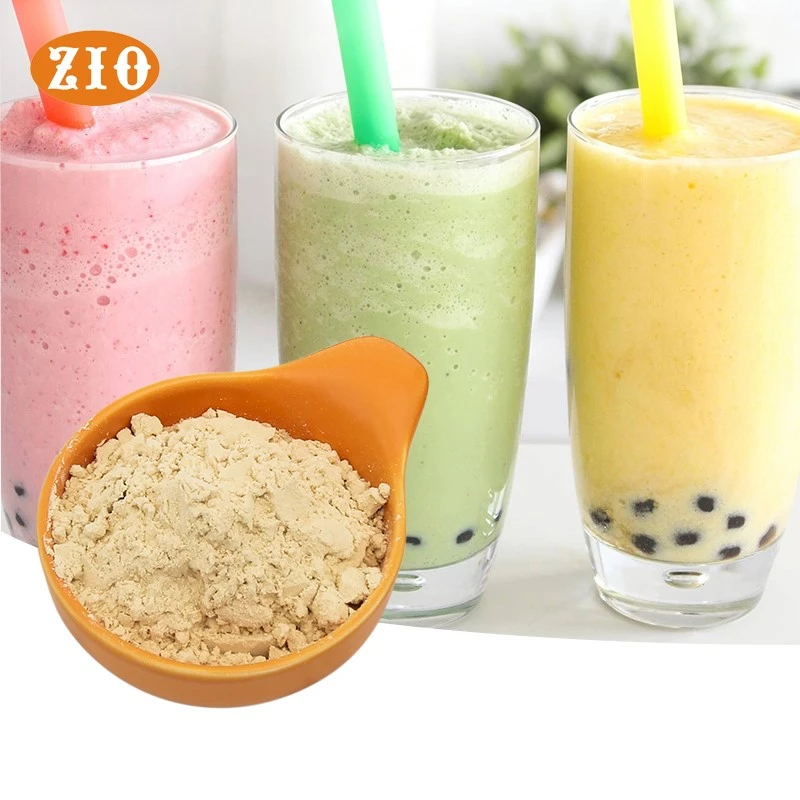
Plant-Based Beverages
For plant-based drinks, important evaluation criteria include solubility, sedimentation, mouthfeel, pH stability, heat treatment, and flavor.
Testing under realistic processing conditions is particularly important for beverages that undergo pasteurization or other thermal treatments.
Plant-Based Snacks and Bars
Yeast protein can be investigated in snack bars and other protein-enriched products.
Manufacturers should consider texture, moisture, binding properties, flavor, and compatibility with the remaining ingredients.
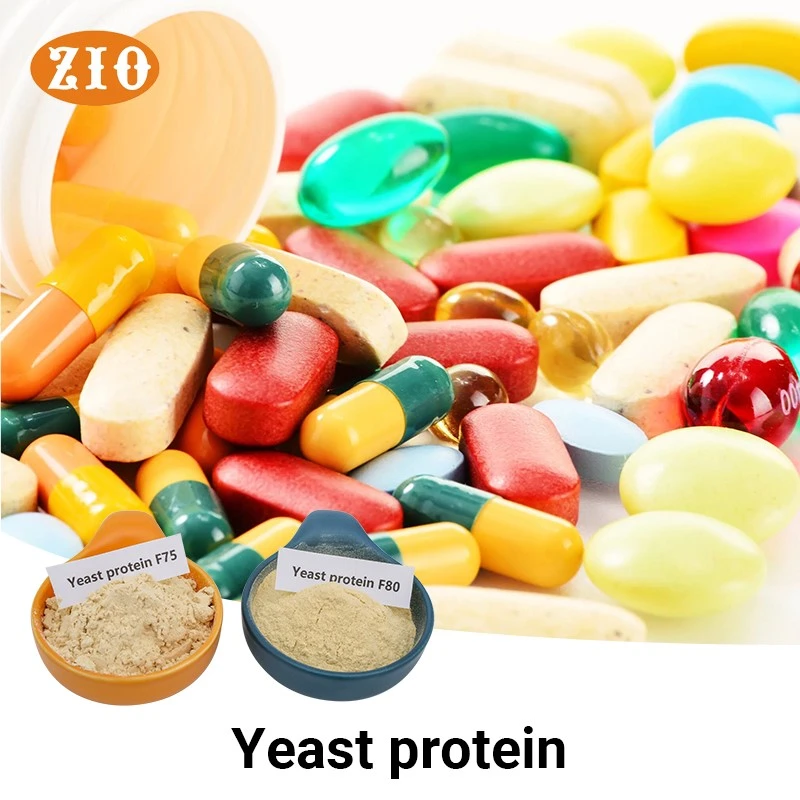
Specialized Food Formulations
Some manufacturers develop specialized foods with specific nutritional or technical targets. Yeast protein may be worth evaluating when the product specification and application requirements are compatible.
Yeast Protein and Functional Foods
Functional foods are developed with particular nutritional or physiological objectives beyond basic nourishment. However, any health-related positioning must be supported by appropriate evidence and comply with applicable regulations.
Yeast protein can contribute protein to a food formulation, but its presence alone does not establish that a finished product provides a specific health benefit.
Manufacturers should distinguish between the nutritional contribution of an ingredient and claims that require additional scientific or regulatory substantiation.
Technical Challenges to Consider
Flavor
The taste and aroma of yeast protein can vary by strain and processing method. Sensory testing helps determine whether the ingredient is appropriate for a particular product.
Solubility
Not every protein ingredient dissolves completely in water. For beverages, dispersion and sedimentation should be assessed during product development.
Texture
Protein ingredients may affect viscosity, mouthfeel, dough properties, or product structure.
Heat and pH Stability
Processing temperature and acidity can influence protein behavior. Testing should reflect the actual manufacturing process.
Regulatory Compliance
The permitted use of a particular yeast protein depends on its identity, production process, intended use, and destination market. Manufacturers should verify its regulatory status before commercialization.
Yeast Protein vs. Conventional Plant Proteins
Yeast protein and conventional plant proteins should be compared using product-specific information.
| Evaluation factor | What to check |
|---|---|
| Protein content | Verified specification and test method |
| Amino acid profile | Analytical data |
| Flavor | Sensory performance in the target formula |
| Solubility | Dispersion and sedimentation |
| Processing | Heat, pH, and mechanical conditions |
| Cost | Cost at the required inclusion level |
| Compliance | Permitted use in the target market |
This comparison helps avoid selecting an ingredient based on a single parameter.
How to Develop a Product With Yeast Protein
A practical development process includes:
Define the finished product's nutritional and sensory goals.
Identify suitable yeast protein specifications.
Request samples and technical documentation.
Conduct laboratory formulation trials.
Evaluate taste, texture, and processing performance.
Confirm safety, labeling, and regulatory requirements.
Conduct pilot production before scaling up.
Frequently Asked Questions
Is yeast protein suitable for vegan products?
That depends on the specific ingredient, processing aids, carriers, and manufacturing practices. Verify the supplier's documentation and the requirements for any vegan claim.
Can yeast protein replace pea protein?
It may be considered in certain formulations, but replacement requires testing for nutrition, flavor, texture, processing performance, and cost.
Is yeast protein the same as yeast extract?
No. Yeast protein is intended to provide protein, while yeast extract is commonly used for flavor and other formulation purposes. Their compositions and applications differ.
Can yeast protein be marketed as a functional ingredient?
Its positioning depends on the product's composition, substantiated evidence, and applicable labeling and advertising regulations.
Conclusion
Yeast protein offers food developers another option to investigate when designing plant-based and functional food formulations. Its suitability depends on nutritional composition, sensory performance, processing behavior, cost, and regulatory requirements.
For food manufacturers, careful evaluation and application testing are essential before moving to commercial production.
Contact ZIO to discuss food ingredient sourcing and the technical requirements of your next product development project.