

Mannitol is a polyol (sugar alcohol) that occurs naturally in many fruits and vegetables. It has a wide range of applications in the food, pharmaceutical, and medical industries. As a leading supplier of mannitol, we are often asked about its effects on electrolyte balance. In this blog post, we will explore how mannitol can impact electrolyte levels in the body and discuss its implications for health and medical use.
Understanding Mannitol and Its Properties
Mannitol has several unique properties that make it useful in various applications. It has a sweet taste, about half as sweet as sucrose, which makes it a popular low - calorie sweetener. Mannitol Sweetener CAS 69 65 8 is widely used in the food industry to provide sweetness without adding excessive calories. It is also non - hygroscopic, meaning it does not absorb moisture easily, which gives it good stability in food products.
In the pharmaceutical industry, D - mannitol Crystal As Excipient is commonly used as an excipient. Excipients are substances added to a drug formulation to aid in the manufacturing process, improve stability, or enhance the delivery of the active ingredient. Mannitol's physical and chemical properties make it an ideal choice for this purpose.
Medically, mannitol is used as an osmotic diuretic. An osmotic diuretic works by increasing the osmolarity of the filtrate in the kidneys, which in turn causes water to be drawn into the renal tubules and excreted in the urine. This property of mannitol is crucial when discussing its effect on electrolyte balance.
The Mechanism of Mannitol's Action on Electrolyte Balance
When mannitol is administered, it is filtered by the glomeruli in the kidneys and is not reabsorbed by the renal tubules. As a result, it increases the osmotic pressure within the tubules. This osmotic force draws water from the surrounding tissues into the tubules, increasing urine output.
The increased urine output caused by mannitol can have a significant impact on electrolyte balance. Electrolytes such as sodium, potassium, chloride, and bicarbonate are normally reabsorbed to varying degrees in the renal tubules. However, the presence of mannitol disrupts this normal reabsorption process.
Effect on Sodium
Sodium is the most abundant extracellular cation. The increased osmotic pressure created by mannitol in the renal tubules reduces the reabsorption of sodium. More sodium is excreted in the urine along with the increased volume of water. This can lead to a decrease in extracellular sodium concentration, a condition known as hyponatremia. Hyponatremia can cause symptoms such as nausea, vomiting, headache, confusion, and in severe cases, seizures and coma.
Effect on Potassium
Potassium is the major intracellular cation. The diuretic effect of mannitol can also lead to increased potassium excretion. As the volume of urine increases, more potassium is carried out of the body. This can result in hypokalemia, a condition characterized by low potassium levels in the blood. Symptoms of hypokalemia include muscle weakness, fatigue, irregular heartbeat, and constipation.
Effect on Chloride
Chloride is an important anion in the body. It usually follows sodium during reabsorption in the kidneys. Since mannitol causes increased sodium excretion, chloride excretion also increases. This can lead to hypochloremia, which may contribute to metabolic alkalosis, a condition where the blood becomes more alkaline.
Effect on Bicarbonate
Mannitol - induced diuresis can also affect bicarbonate levels. The increased urine output and changes in electrolyte balance can disrupt the normal acid - base regulation in the body. In some cases, it may lead to a mild metabolic alkalosis, as the loss of chloride and potassium can shift the acid - base equilibrium towards alkalinity.
Clinical Applications and Considerations
In the medical field, mannitol's ability to affect electrolyte balance is both a therapeutic advantage and a potential concern.
Therapeutic Uses
- Cerebral Edema: Mannitol is commonly used to treat cerebral edema, a condition where there is an accumulation of fluid in the brain. By increasing urine output and reducing extracellular fluid volume, mannitol helps to decrease intracranial pressure. The controlled disruption of electrolyte balance is an acceptable trade - off in this life - threatening situation.
- Glaucoma: In the treatment of glaucoma, mannitol can be used to reduce intraocular pressure. The osmotic effect of mannitol draws fluid out of the eye, similar to its action in the kidneys, which helps to relieve the pressure on the optic nerve.
Considerations and Monitoring
However, due to its impact on electrolyte balance, careful monitoring is required when using mannitol. Patients receiving mannitol therapy need to have their electrolyte levels regularly checked. This includes measuring serum sodium, potassium, chloride, and bicarbonate levels. If electrolyte imbalances are detected, appropriate corrective measures such as electrolyte replacement therapy may be necessary.

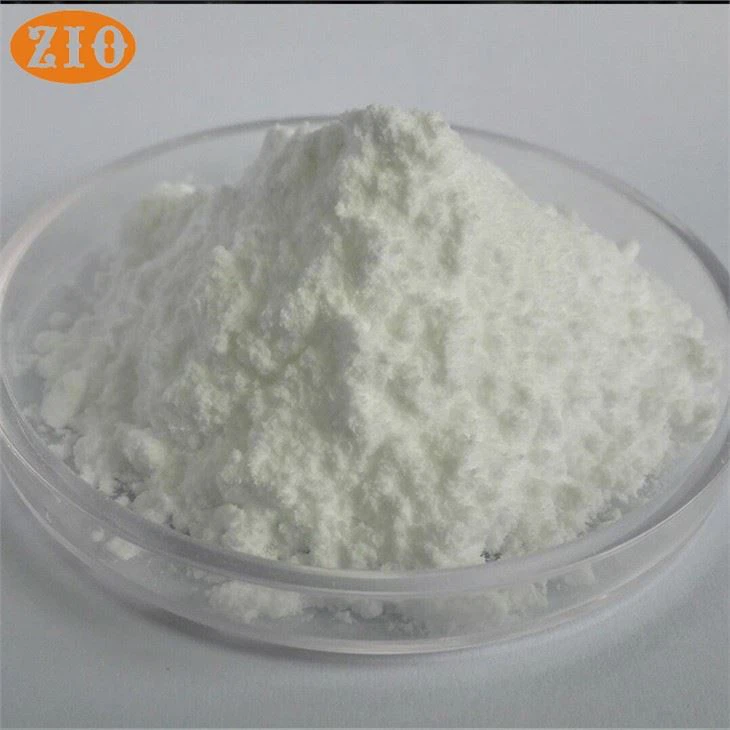
Mannitol in the Food Industry and Electrolyte Balance
In the food industry, Mannitol Sweetener Industrial grade is used in a variety of products. When consumed in normal amounts as a food ingredient, the impact of mannitol on electrolyte balance is generally minimal.
Food - grade mannitol is usually present in relatively small quantities in food products. The body's normal homeostatic mechanisms can usually compensate for any minor changes in electrolyte excretion that may occur due to mannitol consumption. However, excessive consumption of mannitol - containing foods, especially in individuals with pre - existing kidney or electrolyte disorders, may pose a risk of electrolyte imbalances.
Conclusion
Mannitol is a versatile substance with a wide range of applications in different industries. Its ability to act as an osmotic diuretic has a profound effect on electrolyte balance. While this property is beneficial in certain medical situations, it also requires careful monitoring to prevent potentially dangerous electrolyte imbalances.
As a reliable mannitol supplier, we understand the importance of providing high - quality mannitol products that meet the strict requirements of various industries. Whether you are in the food, pharmaceutical, or medical field, our mannitol products can offer the performance and safety you need.
If you are interested in learning more about our mannitol products or would like to discuss a potential purchase, we invite you to reach out to us. We are ready to assist you in finding the right mannitol solution for your specific needs.
References
- Rose BD, Post TW. Clinical Physiology of Acid - Base and Electrolyte Disorders. 5th ed. McGraw - Hill; 2001.
- Brenner BM, Rector FC Jr. Brenner and Rector's The Kidney. 9th ed. Saunders; 2012.
- Kliegman RM, Stanton BF, St. Geme JW III, Schor NF, Behrman RE. Nelson Textbook of Pediatrics. 20th ed. Elsevier; 2016.