

Hey there! As a supplier of Sodium Benzoate, I often get asked whether it can be used in yogurt. Well, let's dig into this topic and find out.
First off, what the heck is Sodium Benzoate? Sodium Benzoate is a common food preservative that's been around for ages. It's the sodium salt of benzoic acid, and it's super effective at preventing the growth of bacteria, yeast, and mold in food products. You can check out more about it here: Food Preservatives Sodium Benzoate.
Now, let's talk about yogurt. Yogurt is a dairy product that's made by fermenting milk with live bacteria cultures. It's a healthy and delicious snack that's packed with protein, calcium, and probiotics. But because it's a perishable food, it needs to be preserved to extend its shelf life and keep it safe to eat.
So, can Sodium Benzoate be used in yogurt? The short answer is yes, it can. In fact, Sodium Benzoate is commonly used as a preservative in many types of yogurt, especially those that are sold in supermarkets and convenience stores. It helps to prevent the growth of harmful microorganisms and keeps the yogurt fresh and safe to eat for longer periods of time.
But before you start adding Sodium Benzoate to your yogurt, there are a few things you need to know. First of all, the use of Sodium Benzoate in food products is regulated by government agencies around the world. In the United States, for example, the Food and Drug Administration (FDA) has approved the use of Sodium Benzoate as a food preservative, but it has set strict limits on the amount that can be used. The maximum allowable level of Sodium Benzoate in yogurt is 0.1% by weight.
Secondly, some people may have concerns about the safety of Sodium Benzoate. While it's generally recognized as safe by regulatory agencies, there have been some studies that suggest it may have potential health risks. For example, when Sodium Benzoate is combined with vitamin C (ascorbic acid), it can form benzene, a known carcinogen. However, these studies have been conducted in test tubes and animals, and more research is needed to determine whether the same effects occur in humans.
Another concern is that some people may be allergic to Sodium Benzoate. If you have a known allergy to this preservative, you should avoid eating yogurt that contains it.
So, if you're a yogurt manufacturer or a home cook who wants to use Sodium Benzoate in your yogurt, here are some tips to keep in mind:
- Follow the regulations: Make sure you comply with the regulations in your country regarding the use of Sodium Benzoate in food products. Check the maximum allowable level and make sure you don't exceed it.
- Use high-quality ingredients: To ensure the safety and quality of your yogurt, use high-quality ingredients and follow good manufacturing practices.
- Consider alternative preservatives: If you're concerned about the potential health risks of Sodium Benzoate, you may want to consider using alternative preservatives, such as potassium sorbate or natamycin.
- Label your products clearly: If you use Sodium Benzoate in your yogurt, make sure you label your products clearly so that consumers are aware of its presence.
At our company, we offer high-quality Sodium Benzoate Powder Food Grade that meets all the regulatory requirements. Our Sodium Benzoate is made from pure and natural ingredients and is free from harmful chemicals and additives. It's a safe and effective preservative that can help you to extend the shelf life of your yogurt and keep it fresh and delicious.
If you're interested in learning more about our Sodium Benzoate products or if you have any questions about using Sodium Benzoate in yogurt, please don't hesitate to contact us. We're here to help you find the best solutions for your business.
In conclusion, Sodium Benzoate can be used in yogurt as a preservative, but it's important to use it safely and responsibly. By following the regulations, using high-quality ingredients, and considering alternative preservatives, you can ensure the safety and quality of your yogurt and provide your customers with a delicious and healthy product.
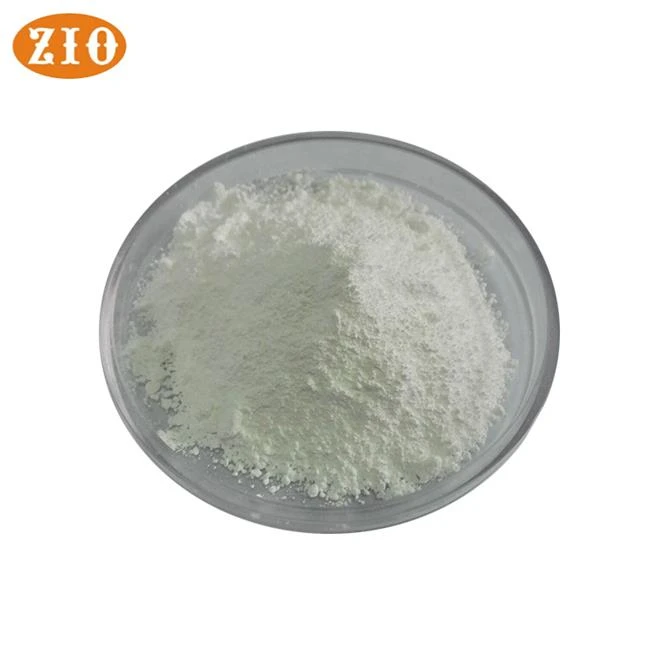

If you're looking for a reliable supplier of Sodium Benzoate, look no further. We're a leading supplier of Sodium Benzoate CAS 532 32 1 and other food preservatives, and we're committed to providing our customers with the highest quality products and the best customer service.
So, what are you waiting for? Contact us today to learn more about our products and how we can help you to preserve your yogurt and other food products.
References:
- Food and Drug Administration (FDA). (n.d.). GRAS Substances (SCOGS). Retrieved from https://www.fda.gov/food/food-ingredients-packaging/gras-substances-scogs
- European Food Safety Authority (EFSA). (2016). Re - evaluation of sodium benzoate (E 211) as a food additive. EFSA Journal, 14(7), 4591.
- World Health Organization (WHO). (2019). Food Additives. Retrieved from https://www.who.int/foodsafety/areas_work/food - additives/en/