

If you've ever pulled a soft, chewy cookie out of the oven or bitten into a moist slice of banana bread that doesn't go hard as a rock by the next day, you've probably encountered sorbitol without even realizing it. As someone who's worked in the sweeteners game for years-supplying stuff that makes baked goods better, longer-I get a lot of questions from bakery clients: "Why should I use sorbitol when I have granulated sugar?" "Is it just a sugar substitute, or does it do more?" Spoiler: it's way more than a sugar swap. Let's break down the actual uses of sorbitol in baking, no fancy jargon, just the real deal.
First off, let's keep it simple: sorbitol is a sugar alcohol (sometimes called a polyol) that's derived from corn or starch. Unlike regular table sugar (sucrose), it's absorbed more slowly by the body, which is why it's popular in sugar-free products. But for bakeries, that's just the tip of the iceberg. The biggest win for us as a sorbitol supplier is how it solves two of bakeries' most frustrating problems: texture and shelf life. Let's start with texture because that's what makes or breaks a customer's repeat purchase.
Anyone who's baked cookies knows the struggle: one day they're soft and chewy, the next day they're like hockey pucks. Sugar helps with moisture, but it can dry out fast, especially in packaged products. That's where sorbitol steps in-it's a humectant, which just means it holds onto water. Unlike sugar, which evaporates quickly in dry packaging, sorbitol binds to moisture molecules in the dough and then releases them slowly over time. I've had a local cookie shop owner tell me since they started using our sorbitol products, their chewy chocolate chip cookies stay soft for 5 days instead of going stale in 2. That's a game-changer for small bakeries that sell to grocery stores or ship online.
Wait, not all sorbitol is the same, right? For baking, most folks use the liquid versions because they mix easily into doughs and batters without adjusting water content too much. Our go-to for bakery clients is often the Sorbitol 70 Solution USP-you can check it out here: Sorbitol 70 Solution Usp. That 70% concentration is perfect because it's stable at room temp, doesn't get sticky like higher concentrations, and blends seamlessly with other ingredients like flour, butter, and leavening agents. I've had a client who makes sugar-free cake pops swear by this stuff-they said switching from a different liquid sorbitol cut down on their batch inconsistencies because it mixes evenly every single time, no lumps.
Next up, sweetness, but with a twist. Sorbitol is about 60% as sweet as regular sugar, so it's not a 1:1 swap. But that's actually a good thing for bakers who don't want their products to be too cloying, plus it has no aftertaste like some artificial sweeteners. The key here is that it works well in blends with other sweeteners, whether it's a little bit of sugar for flavor stability or other polyols for sugar-free lines. We also have Sweetness Sorbitol Solution Liquid-you can see it here: Sweetness Sorbitol Solution Liquid-which is formulated specifically to have a clean, mild sweetness, so bakers don't have to adjust their recipes too much when switching to sorbitol. I've worked with a bakery that makes diabetic-friendly brownies; they mixed our sorbitol with a small amount of stevia, and the flavor was spot-on-no weird metallic bite that you get with stevia alone.
Then there's leavening and dough handling. If you've ever worked with dough that's too sticky or too stiff, you know how much that slows down production. Sorbitol acts as a dough conditioner, meaning it softens the gluten in flour just enough to make the dough easier to roll, cut, and shape. For example, if you're making sugar-free pie crusts, using our Liquid Sorbitol 70 E420-available here: Liquid Sorbitol 70 E420-keeps the crust from cracking when you shape it and makes it flakier too. A local pie maker told me last month that their pre-rolled sugar-free crusts used to break 15% of the time during shipping; since they switched to our sorbitol, that number's down to 2%. That's huge for reducing waste, which every bakery cares about.
Wait, what about shelf life beyond texture? Sorbitol also has some antimicrobial properties, right? Not a substitute for preservatives, but it helps slow down the growth of mold and bacteria that make baked goods go bad. For small bakeries that don't use a ton of artificial preservatives, that means their muffins and breads stay fresh longer without adding weird chemicals. I had a client who makes artisanal sourdough loaves-they used to have to add calcium propionate to extend shelf life, but since they started using our Sorbitol Syrup 70% CAS 50 70 4-check it out here: Sorbitol Syrup 70% CAS 50 70 4-they cut that preservative in half, and customers say the bread tastes more "natural." That's a win-win for both the bakery (lower ingredient costs) and their customers (cleaner labels).

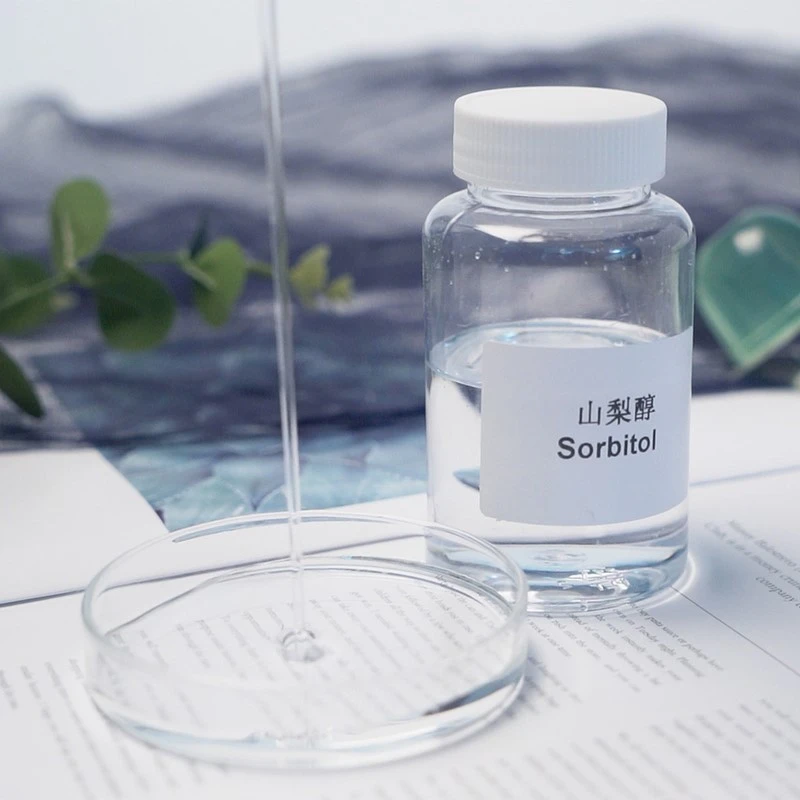
Let's talk about sugar-free and low-sugar baked goods, which are a huge trend right now. More people are cutting back on added sugar, but they still want their favorite treats-cookies, cakes, even soft pretzels-to taste good and feel right. Sorbitol is a staple here because it's a bulk sweetener, meaning it has a similar volume to sugar, so you don't have to mess with recipe measurements too much. Unlike other sugar alcohols that have a harsh cooling effect (wait, that's xylitol, right? Yeah, that's why some sugar-free gums feel minty cold-totally different from sorbitol), sorbitol has no cooling aftertaste, so it's perfect for baked goods where you don't want that weird tingle on your tongue. I had a client who makes sugar-free soft pretzels for gyms and health food stores; they tried xylitol first, but customers complained about the cooling effect and the fact that xylitol is toxic to dogs (another thing-soribtol is safe for dogs, though I still don't recommend giving pretzels to your pup). They switched to our sorbitol, and sales went up 30% in 2 months.
Now, here's the thing that a lot of bakers don't know: sorbitol isn't just for sugar-free products. Even full-sugar baked goods use sorbitol sometimes, because of the moisture retention. For example, large commercial bakeries that produce thousands of cookies a day use sorbitol to ensure consistent texture across every batch. If you use only sugar, the amount of moisture in the dough can vary based on humidity that day, which affects how the cookies turn out. Sorbitol is stable regardless of humidity, so it keeps the texture consistent. That's why national cookie brands use sorbitol in their products-they can bake 100,000 cookies and every single one is the same softness.
I've had a few bakers ask me if sorbitol is expensive compared to sugar. The short answer: it depends on how you use it. Because it's 60% as sweet as sugar, you actually need less of it to get the same sweetness level. So if you're using it in a sugar-free recipe, you might even save money. And since it extends shelf life, you reduce waste from stale or moldy products, which is a big cost saver for any bakery. The key is working with a supplier who can help you figure out the right concentration-no one-size-fits-all here, whether you're a small bakery making 100 loaves a week or a big commercial operation making a million cookies a month.
Wait, quick note on safety-soribtol is GRAS (Generally Recognized As Safe) by the FDA, and it's approved by all major food safety agencies. The only thing to watch out for is consuming too much of it in one sitting, because like other polyols, it can have a laxative effect if you eat a ton in a short time. But that's only if you're eating like a whole bag of sorbitol cookies in one go-normal amounts are totally fine. And as a supplier, we make sure all our sorbitol products meet USP standards (that's the Sorbitol 70 Solution USP I mentioned earlier), so you don't have to worry about quality issues.
So to wrap this up, the uses of sorbitol in baking are pretty clear: it improves and maintains texture, extends shelf life by holding moisture and fighting microbes, acts as a dough conditioner to make production easier, provides clean, mild sweetness especially for sugar-free products, and reduces waste for bakeries. For any bakery, whether you're small and local or a large commercial operation, sorbitol is a versatile ingredient that solves real problems.
If you're a baker looking to try sorbitol for your products, feel free to reach out to discuss your specific needs-we can help you pick the right product, adjust your recipes, and make sure you get the right amount to keep your operations running smoothly. Don't overcomplicate it; sometimes the simplest ingredients are the most powerful.
References:
- FDA. (2024). Generally Recognized As Safe (GRAS) Substances Database. Retrieved from https://www.fda.gov/food/generally-recognized-safe-gras
- Bakery and Snacks Magazine. (2023). Polyols in Baking: Texture, Shelf Life, and Label Benefits. Retrieved from https://www.bakeryandsnacks.com/Article/2023/05/15/Polyols-in-Baking-Texture-Shelf-Life-and-Label-Benefits
- International Sweeteners Association. (2022). Sorbitol in Food Applications: A Guide for Bakers. Retrieved from https://www.sweetenersinternational.org/resources/application-guides/sorbitol-in-baking