

As a supplier of Sodium Benzoate, I often encounter questions about its applications, especially in the context of canned foods. In this blog, I will delve into the topic of whether Sodium Benzoate can be used in canned foods, exploring its properties, benefits, safety, and regulatory aspects.
What is Sodium Benzoate?
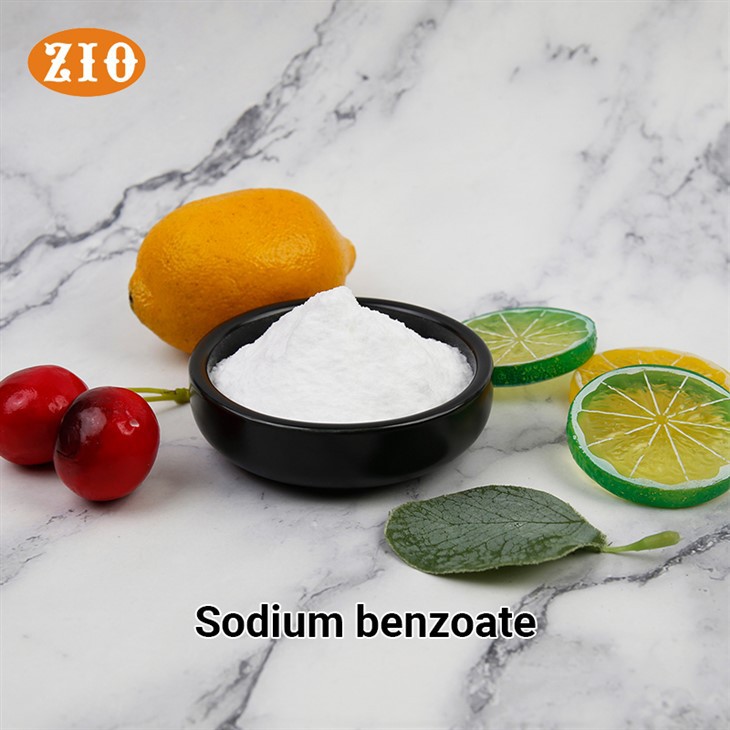
Sodium Benzoate, with the chemical formula C₇H₅NaO₂, is the sodium salt of benzoic acid. It is a white crystalline powder that is highly soluble in water. This compound has been widely used as a preservative in the food, beverage, and cosmetic industries for many years. You can find more detailed information about its chemical formula in cosmetics on our website Sodium Benzoate Chemical Formula in Cosmetics.
The Role of Preservatives in Canned Foods
Canned foods are a convenient and popular choice for consumers, offering long shelf - life and easy storage. However, they are also susceptible to spoilage by microorganisms such as bacteria, yeasts, and molds. Preservatives play a crucial role in preventing the growth of these microorganisms, thereby extending the shelf - life of canned foods and maintaining their quality and safety.

Can Sodium Benzoate be Used in Canned Foods?
The answer is yes. Sodium Benzoate can be used in canned foods, and it has several advantages that make it a suitable preservative for this application.
Antimicrobial Properties
Sodium Benzoate has strong antimicrobial properties, which are effective against a wide range of bacteria, yeasts, and molds. It works by inhibiting the growth and reproduction of these microorganisms. In an acidic environment, which is common in many canned foods, Sodium Benzoate is particularly effective. The undissociated benzoic acid form, which is more prevalent in acidic conditions, can penetrate the cell membranes of microorganisms and disrupt their metabolic processes, ultimately leading to their death or inhibition of growth.
Stability
Sodium Benzoate is a stable compound under normal storage conditions. It can withstand a certain range of temperatures and pH values, which is important for canned foods that may be exposed to different environmental conditions during storage and transportation. This stability ensures that the preservative remains effective throughout the shelf - life of the canned product.
Compatibility with Other Ingredients
Sodium Benzoate is generally compatible with other ingredients commonly used in canned foods, such as flavors, colors, and other additives. It does not react with these ingredients in a way that would negatively affect the quality or safety of the product. This compatibility allows food manufacturers to use Sodium Benzoate in combination with other substances to achieve the desired flavor, texture, and appearance of the canned food.
Cost - Effectiveness
Compared to some other preservatives, Sodium Benzoate is relatively cost - effective. This makes it an attractive option for food manufacturers, especially those producing large volumes of canned foods. The lower cost allows them to maintain the quality and safety of their products while keeping production costs under control.
Safety of Sodium Benzoate in Canned Foods
The safety of Sodium Benzoate has been extensively studied, and it is considered safe for use in food when used within the approved limits. Regulatory agencies around the world, such as the Food and Drug Administration (FDA) in the United States and the European Food Safety Authority (EFSA), have set maximum allowable levels for Sodium Benzoate in different types of foods, including canned foods.
When used at these approved levels, Sodium Benzoate does not pose a significant health risk to consumers. However, some individuals may be sensitive or allergic to Sodium Benzoate. In such cases, they may experience allergic reactions such as skin rashes, itching, or respiratory problems. It is important for food manufacturers to clearly label their products to inform consumers about the presence of Sodium Benzoate.
Regulatory Considerations
In different countries and regions, there are specific regulations regarding the use of Sodium Benzoate in canned foods. For example, in the United States, the FDA has established a maximum allowable level of Sodium Benzoate in various food products, including canned fruits, vegetables, and beverages. In the European Union, Sodium Benzoate is listed as a food additive with the code E211. You can find more information about its use in food on our website Sodium Benzoate E211 in Food.
Food manufacturers must comply with these regulations to ensure the safety and legality of their products. They need to accurately measure and control the amount of Sodium Benzoate added to canned foods and keep proper records of its use.
Applications of Sodium Benzoate in Different Types of Canned Foods
Canned Fruits
Sodium Benzoate is commonly used in canned fruits to prevent spoilage and maintain their freshness. Fruits are often acidic, which provides an ideal environment for the effectiveness of Sodium Benzoate. It helps to preserve the color, flavor, and texture of the fruits, ensuring that they remain appealing to consumers even after long - term storage.
Canned Vegetables
In canned vegetables, Sodium Benzoate can also be used as a preservative. It helps to inhibit the growth of bacteria and molds that could cause spoilage and off - flavors. Additionally, it can contribute to maintaining the nutritional value of the vegetables by preventing the degradation of vitamins and other nutrients.
Canned Sauces and Condiments
Many canned sauces and condiments, such as tomato sauce, salad dressings, and pickles, contain Sodium Benzoate. These products often have a relatively low pH, which enhances the antimicrobial activity of Sodium Benzoate. It helps to keep the sauces and condiments stable and free from microbial contamination, ensuring their quality and safety over time.
Quality Assurance of Our Sodium Benzoate
As a supplier, we are committed to providing high - quality Sodium Benzoate for use in canned foods. Our product meets all the relevant regulatory standards and undergoes strict quality control procedures. We source our raw materials from reliable suppliers and use advanced manufacturing processes to ensure the purity and effectiveness of our Sodium Benzoate. You can learn more about our product with the CAS number 532 - 32 - 1 on our website Sodium Benzoate CAS 532 32 1.
Contact Us for Procurement
If you are a food manufacturer interested in using Sodium Benzoate in your canned food products, we would be delighted to have a discussion with you. Our team of experts can provide you with detailed information about our product, including its specifications, pricing, and technical support. We can also assist you in ensuring that the use of our Sodium Benzoate complies with all relevant regulations. Please feel free to contact us to start the procurement negotiation process.
References
- Food and Drug Administration (FDA). "Food Additives Permitted for Direct Addition to Food for Human Consumption."
- European Food Safety Authority (EFSA). "Scientific Opinion on the re - evaluation of sodium benzoate (E 211) as a food additive."
- Textbooks on Food Microbiology and Food Preservation, which cover the principles and applications of food preservatives.