

As an established supplier of aspartame, I've received numerous inquiries about its potential impacts on sleep. Aspartame is a low - calorie artificial sweetener used as a sugar substitute in many food and beverage products. Given the widespread use of aspartame, it's essential to understand its effects on sleep and overall health.
What is Aspartame?
Aspartame is a synthetic sweetener that is approximately 180 - 220 times sweeter than sucrose (table sugar). It was discovered in 1965 and has since been approved for use in many countries. You can learn more about our high - quality Pure Aspartame Powder in Beverages, which is used in a variety of drink formulations to provide a sweet taste with fewer calories.
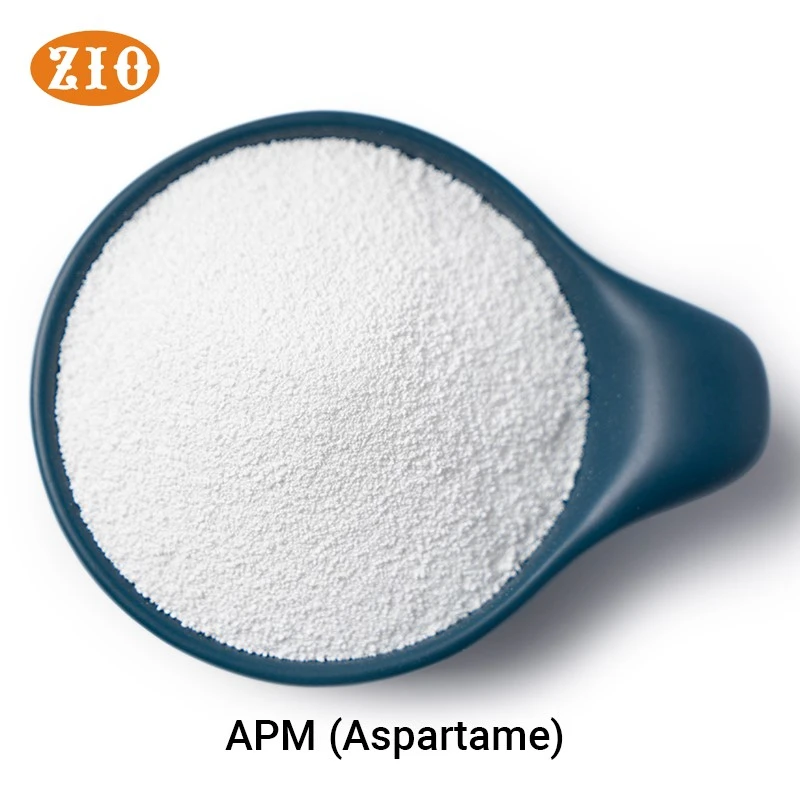

Food and beverage manufacturers often turn to aspartame because it allows them to offer products that are lower in calories, making them more appealing to consumers who are watching their sugar intake. This has led to the inclusion of aspartame in many diet sodas, sugar - free candies, and other low - calorie food items. Our Aspartame Products Cas 22839 47 0 meet the strictest industry standards and are suitable for a wide range of applications.
The Science Behind Aspartame and Sleep
To understand whether aspartame affects sleep, we need to look at the scientific research. The human body breaks down aspartame into phenylalanine, aspartic acid, and methanol. In normal amounts, these components are metabolized like the substances found in our regular diet.
Phenylalanine is an essential amino acid. While high levels of phenylalanine can be a concern for individuals with a rare genetic disorder called phenylketonuria (PKU), for most people, the amount from aspartame consumption is well within the normal physiological range. Aspartic acid is a non - essential amino acid that is involved in many metabolic processes in the body. Methanol is produced in small quantities during aspartame breakdown, but it is also present in many natural foods and is quickly metabolized.
Some people claim that aspartame causes insomnia, restlessness, or other sleep - related problems. However, most large - scale, well - conducted scientific studies have not found a conclusive link between aspartame consumption and disturbances in sleep patterns. The US Food and Drug Administration (FDA) has approved aspartame for use, and if you are interested in FDA - approved aspartame, you can visit our Fda Aspartame Sweetener page.
One possible explanation for the reported sleep problems could be the placebo effect. When people believe that a certain substance is causing them harm, they may experience symptoms even when there is no real physiological cause. Additionally, some individuals may be more sensitive to aspartame or other components in the products containing it. For example, many diet sodas with aspartame also contain caffeine, which is a well - known stimulant that can interfere with sleep if consumed close to bedtime. You can explore our Sweeteners Aspartame Powder in Drinks to see how our products are used in caffeinated and non - caffeinated beverages.
The Role of Aspartame in a Healthy Diet
As a supplier of aspartame, I believe that it can play a positive role in a healthy diet when used appropriately. For people who are trying to reduce their sugar intake to manage weight or blood sugar levels, aspartame provides a way to still enjoy sweet - tasting foods and drinks. Our Aspartame Powder E951 is a popular choice for manufacturers looking to create healthy and delicious products.
However, it's important to remember that a balanced diet is key. No single ingredient, whether it's aspartame or sugar, should dominate one's diet. Consuming a variety of nutrient - rich foods along with moderate amounts of low - calorie sweeteners like aspartame is the best approach for overall health.
Tips for Consumers
If you are concerned about whether aspartame might be affecting your sleep:
- Keep a food diary: Track your aspartame consumption and your sleep patterns. This can help you identify if there is a correlation between the two.
- Be aware of other stimulants: If you are consuming diet sodas or other products with aspartame, check to see if they also contain caffeine or other stimulants. Try to avoid consuming these close to bedtime.
- Consult a healthcare professional: If you are experiencing persistent sleep problems, it's always a good idea to consult with a doctor or a registered dietitian. They can help determine if aspartame or other factors could be contributing to your sleep issues.
Our Commitment as a Supplier
At our company, we are committed to providing high - quality aspartame products. Our aspartame is manufactured in state - of - the - art facilities under strict quality control measures. We ensure that our products meet or exceed all relevant safety and quality standards.
If you are a food or beverage manufacturer, or if you are in the industry and looking for a reliable aspartame supplier, we invite you to contact us for more information. We can discuss your specific needs, provide samples, and offer technical support to help you incorporate aspartame into your products successfully. Whether you are developing new sugar - free products or looking to improve existing formulations, we are here to assist you.
Conclusion
In conclusion, while there are claims that aspartame affects sleep, the current scientific evidence does not strongly support a direct link. Most people can consume aspartame in moderation as part of a balanced diet without experiencing sleep disturbances. However, individual sensitivities can vary, and it's important for consumers to be aware of their own bodies and make informed choices.
If you are interested in purchasing high - quality aspartame for your business, we encourage you to reach out for procurement discussions. We are ready to offer you the best products and services.
References
- World Health Organization (WHO). "Joint FAO/WHO Expert Committee on Food Additives (JECFA) Evaluation of Aspartame."
- US Food and Drug Administration (FDA). "Aspartame: A Safer Sweetener."
- Multiple scientific studies published in peer - reviewed journals such as the Journal of Food Science and the American Journal of Clinical Nutrition on the safety and effects of aspartame.