

Acidity regulators play a crucial role in the food industry, serving as key components in preserving the quality, safety, and shelf life of various food products. As a leading supplier of acidity regulators, we are committed to providing high - quality solutions that meet the diverse needs of the food manufacturing sector. In this blog, we will explore the mechanisms through which acidity regulators preserve food.
Understanding Acidity Regulators
Acidity regulators are substances that are used to adjust and control the acidity or alkalinity (pH) of food products. They can be acids, bases, or salts, and they are added to food in small quantities to achieve the desired pH level. The pH scale ranges from 0 to 14, with 7 being neutral. Values below 7 indicate acidity, while values above 7 indicate alkalinity. Different food products require specific pH levels for optimal preservation, taste, and texture.
Inhibition of Microbial Growth
One of the primary ways acidity regulators preserve food is by inhibiting the growth of microorganisms such as bacteria, yeasts, and molds. Most microorganisms have a preferred pH range in which they can grow and thrive. By adjusting the pH of food to an unfavorable level, acidity regulators can prevent or slow down microbial growth.
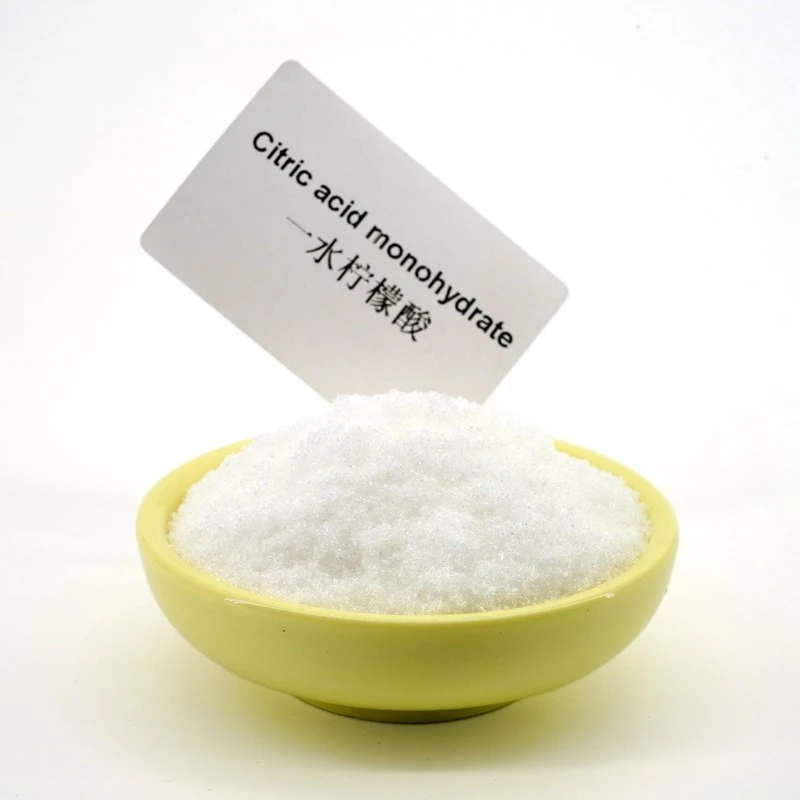
For example, many bacteria prefer a neutral to slightly alkaline pH environment. When the pH of a food product is lowered using an acidity regulator, it creates an acidic environment that is inhospitable to these bacteria. Citric acid is a commonly used acidity regulator that can effectively lower the pH of food. It is widely available in the form of Citric Acid Monohydrate Food Grade Acidity. Citric acid not only helps in reducing the pH but also has some antibacterial properties. It can disrupt the cell membranes of bacteria and interfere with their metabolic processes, thereby inhibiting their growth.
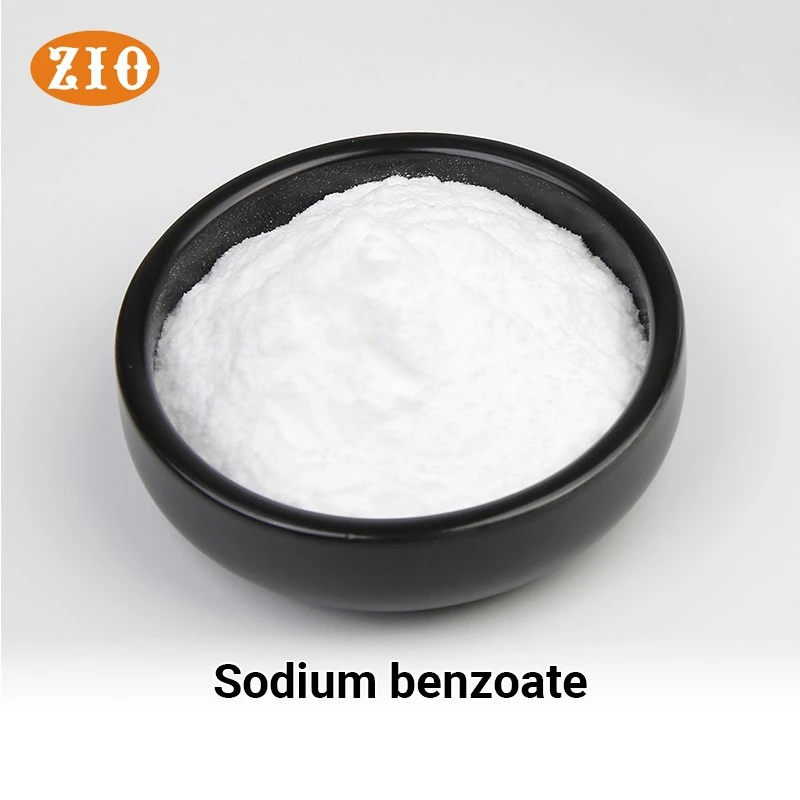
Sodium benzoate is another well - known acidity regulator. It is often used in acidic foods such as fruit juices, pickles, and salad dressings. In an acidic environment, sodium benzoate is converted to benzoic acid, which has antimicrobial properties. Benzoic acid can penetrate the cell walls of microorganisms and disrupt their normal functioning. You can find high - quality Food Ingredients Sodium Benzoate Powder in our product range.
Enzyme Inhibition
Enzymes are proteins that catalyze chemical reactions in food. Some enzymes can cause undesirable changes in food, such as browning, flavor loss, and texture degradation. Acidity regulators can inhibit the activity of these enzymes by altering their three - dimensional structure.
Enzymes have an optimal pH at which they function most efficiently. When the pH of the food is changed using an acidity regulator, the enzyme's active site may be distorted, preventing it from binding to its substrate. For instance, polyphenol oxidase is an enzyme responsible for the browning of fruits and vegetables. By adding an acid like malic acid, which can be found in our Malic Acid Acidity Regulators, the pH of the food is lowered, and the activity of polyphenol oxidase is reduced. This helps to maintain the color and freshness of the produce.
Chemical Stability
Acidity regulators can also enhance the chemical stability of food. Many food components are sensitive to changes in pH, and maintaining the appropriate pH can prevent chemical reactions that lead to spoilage.
For example, in some dairy products, the pH can affect the solubility of proteins. By using an acidity regulator, the pH can be adjusted to a level where the proteins remain stable and do not coagulate or precipitate. Lactose powder, which can act as a nutritive sweetener and also has some buffering properties, can be used in combination with other acidity regulators to maintain the stability of dairy products. Check out our Nutritive Sweetener Lactose Powder for more applications in this regard.
In addition, some food colors and flavors are pH - sensitive. By controlling the pH with acidity regulators, the stability of these sensory components can be maintained, ensuring that the food product retains its desired color and flavor throughout its shelf life.
Texture and Mouthfeel
The pH of a food product can significantly impact its texture and mouthfeel. Acidity regulators can be used to modify the texture of food by affecting the interactions between different components.
In the case of gels and thickeners, such as xanthan gum, the pH can influence its gelling properties. Xanthan gum is a polysaccharide that forms a viscous solution or gel in water. By adjusting the pH using an acidity regulator, the viscosity and gel strength of xanthan gum can be optimized. Our Xanthan Gum 80 Mesh can be used in various food applications where texture control is essential. For example, in salad dressings, the right combination of acidity regulator and xanthan gum can give the dressing a smooth and creamy texture.
Factors Affecting the Effectiveness of Acidity Regulators
Several factors can affect the effectiveness of acidity regulators in preserving food. The type and concentration of the acidity regulator are important. Different acids and bases have different strengths and dissociation constants, which determine their ability to change the pH of a solution. The concentration of the acidity regulator also needs to be carefully controlled. Too little may not achieve the desired pH change, while too much can affect the taste and safety of the food.
The nature of the food product is another crucial factor. Different foods have different buffering capacities, which means they can resist changes in pH to some extent. For example, foods with high protein or carbohydrate content may have a higher buffering capacity compared to simple aqueous solutions. Therefore, the amount of acidity regulator required may vary depending on the food matrix.
Temperature can also influence the effectiveness of acidity regulators. In general, higher temperatures can increase the rate of chemical reactions, including microbial growth and enzyme activity. However, the effect of temperature on the ionization of acids and bases also needs to be considered. Some acidity regulators may be more effective at certain temperatures.
Applications in Different Food Categories
Acidity regulators are used in a wide range of food categories. In the beverage industry, they are used to control the pH of soft drinks, fruit juices, and sports drinks. This not only helps in preserving the products but also enhances their flavor. For example, carbonated soft drinks often have a low pH, which is achieved using acids like phosphoric acid or citric acid.
In the bakery industry, acidity regulators can be used to control the dough fermentation process and improve the texture and shelf life of baked goods. They can also help in preventing mold growth on bread and other baked products.
In the meat and poultry industry, acidity regulators can be used to marinate meats, which not only adds flavor but also helps in preserving the meat by inhibiting the growth of bacteria.
Conclusion
Acidity regulators are essential tools in food preservation. They work through multiple mechanisms, including inhibiting microbial growth, enzyme activity, enhancing chemical stability, and modifying texture. As a supplier of acidity regulators, we understand the importance of these substances in the food industry. We offer a wide range of high - quality acidity regulators, including Citric Acid Monohydrate Food Grade Acidity, Nutritive Sweetener Lactose Powder, Food Ingredients Sodium Benzoate Powder, Malic Acid Acidity Regulators, and Xanthan Gum 80 Mesh.
If you are in the food manufacturing business and are looking for reliable and effective acidity regulators, we invite you to contact us for procurement and further discussions. Our team of experts is ready to assist you in finding the best solutions for your specific needs.
References
- Fellows, P. J. (2009). Food Processing Technology: Principles and Practice. CRC Press.
- Potter, N. N., & Hotchkiss, J. H. (1995). Food Science. Chapman & Hall.
- Labuza, T. P., & Taoukis, P. S. (1995). Handbook of Food Science, Technology, and Engineering. CRC Press.