

In the quest for healthier living, the search for suitable sugar substitutes has become a significant concern for many. One such alternative that has gained considerable attention is organic xylitol powder. As a supplier of high - quality organic xylitol powder, I am excited to delve into the topic of whether it can effectively serve as a sugar substitute.
What is Organic Xylitol Powder?
Organic xylitol powder is a natural sweetener derived from plant materials such as birch bark, corn cobs, and various fruits and vegetables. It has a chemical structure similar to sugar but offers a distinct set of properties. Xylitol, with the CAS number 87 - 99 - 0, is a five - carbon sugar alcohol. You can learn more about Xylitol Sweetener CAS87 99 0.
This crystalline powder form of xylitol is highly versatile. Its sweet taste is comparable to that of regular sugar, with a sweetness level of about 1:1. This means that in most recipes, you can use xylitol powder in the same quantity as sugar, making it an easy replacement in many cooking and baking applications. Explore Crystalline Powder Xylitol for more details.
Health Benefits of Using Organic Xylitol Powder as a Sugar Substitute
Lower Calorie Content
One of the most significant advantages of organic xylitol powder as a sugar substitute is its lower calorie content. While regular sugar contains about 4 calories per gram, xylitol has only about 2.4 calories per gram. This makes it an appealing option for those looking to reduce their calorie intake without sacrificing sweetness. For individuals on a weight - management plan, substituting sugar with xylitol can contribute to a lower overall calorie consumption.
Blood Sugar Management
Xylitol has a relatively low glycemic index (GI) compared to sugar. The glycemic index measures how quickly a carbohydrate raises blood sugar levels. Regular sugar has a high GI, which can cause rapid spikes and subsequent crashes in blood sugar. In contrast, xylitol has a GI of around 13, which is significantly lower. This slower absorption rate means that it has a milder impact on blood sugar levels, making it a better choice for people with diabetes or those aiming to maintain stable blood sugar.

Dental Health
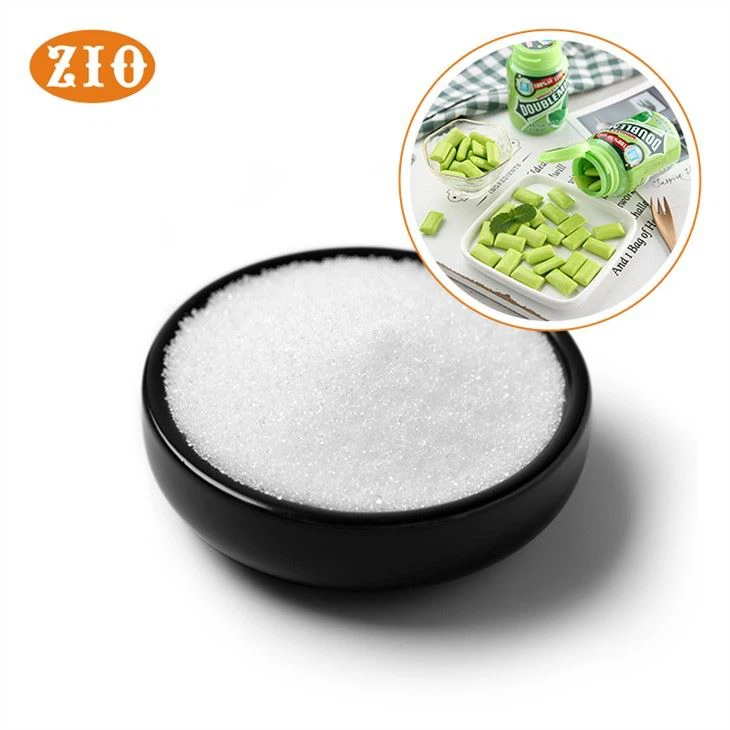
Unlike sugar, which is a major contributor to tooth decay, xylitol has been shown to have dental health benefits. Bacteria in the mouth feed on sugar and produce acids that erode tooth enamel. Xylitol, however, is not fermented by these bacteria. In fact, it can help prevent the growth of Streptococcus mutans, a type of bacteria that causes cavities. Regular use of xylitol, such as through chewing xylitol - containing gum or using it as a sweetener, can contribute to better oral hygiene.
Culinary Uses of Organic Xylitol Powder
Baking
Organic xylitol powder can be used in a wide range of baking recipes. It can replace sugar in cakes, cookies, muffins, and bread. When baking with xylitol, it can provide a similar texture and browning effect as sugar. However, it's important to note that xylitol absorbs more moisture than sugar, so you may need to adjust the liquid content in your recipes slightly.
Beverages
Xylitol is an excellent sweetener for beverages. You can add it to coffee, tea, smoothies, or homemade lemonade. Its solubility in water is similar to sugar, allowing it to dissolve quickly and sweeten your drinks effectively.
Cooking
In savory dishes, xylitol can be used to balance flavors. It can be added to sauces, glazes, and marinades to provide a touch of sweetness without the negative effects of sugar. For example, a xylitol - based glaze on roasted vegetables or meats can add a delicious caramelized flavor.
Availability and Quality of Our Organic Xylitol Powder
As a supplier, we offer Bulk Sweetener Xylitol Food Grade to meet the diverse needs of our customers. Our organic xylitol powder is sourced from high - quality, organic plant materials. We follow strict quality control measures throughout the production process to ensure that our product is pure, free from contaminants, and of the highest quality.
We understand that different customers have different requirements, whether it's for home use, small - scale food production, or large - scale industrial applications. That's why we offer our organic xylitol powder in various packaging sizes to suit your needs.
Potential Drawbacks and Considerations
While organic xylitol powder has many benefits, there are also some potential drawbacks to consider.
Digestive Issues
Some people may experience digestive discomfort when consuming large amounts of xylitol. This can include symptoms such as bloating, gas, and diarrhea. These effects are usually more pronounced when xylitol is consumed in excessive quantities. It's recommended to start with small amounts and gradually increase your intake to allow your body to adjust.
Cost
Compared to regular sugar, organic xylitol powder can be more expensive. This is due to the more complex production process and the use of organic materials. However, considering the health benefits and the fact that it can be used in a 1:1 ratio with sugar, the cost may be justified for those who prioritize health and quality.
Conclusion
In conclusion, organic xylitol powder can indeed be a viable sugar substitute. It offers numerous health benefits, including lower calorie content, better blood sugar management, and dental health advantages. Its versatility in culinary applications makes it easy to incorporate into daily cooking and baking.
As a supplier of organic xylitol powder, we are committed to providing high - quality products that meet your needs. Whether you are an individual looking for a healthier sweetener option or a food manufacturer seeking a natural sugar substitute, we can offer the right solution.
If you are interested in purchasing our organic xylitol powder or have any questions about its use, please feel free to reach out. We are here to assist you in making the switch to a healthier and more delicious alternative to sugar.
References
- Aalto, T., & Tenkanen, M. (1999). Xylitol: properties, occurrence, metabolism and industrial production. Critical Reviews in Biotechnology, 19(2), 91 - 121.
- Livesey, G., Taylor, R., & Livesey, H. (2008). Glycemic index, glycemic load, and chronic disease risk—a meta - analysis of observational studies. American Journal of Clinical Nutrition, 87(3), 627 - 637.
- Zero, D. T. (2013). Dental caries prevention with xylitol: a systematic review. Journal of Evidence - Based Dental Practice, 13(1), 4 - 12.