

Malic acid is a naturally occurring organic compound that plays a significant role in the food industry, particularly in influencing the mouthfeel of various food products. As a leading supplier of malic acid, I have witnessed firsthand the transformative effects this ingredient can have on the sensory experience of food. In this blog post, I will delve into the science behind malic acid and explore its impact on the mouthfeel of different foods.
Understanding Malic Acid
Malic acid is a dicarboxylic acid that is found in many fruits, especially apples, which is where it gets its name. It exists in two stereoisomeric forms: L-malic acid and D-malic acid. The most common form used in the food industry is L-malic acid, which has a more natural and pleasant taste compared to its D-isomer. Malic acid is also available in a racemic mixture known as DL-malic acid, which contains equal amounts of the L and D forms.
In the food industry, malic acid is widely used as an acidulant, flavor enhancer, and preservative. It is commonly added to a variety of food products, including beverages, confectionery, dairy products, and processed foods, to provide a tart and refreshing taste. Malic acid is also used in the production of wine, where it helps to balance the acidity and enhance the flavor profile.
The Impact of Malic Acid on Mouthfeel
Mouthfeel refers to the physical sensations experienced in the mouth when consuming food or beverages. It encompasses a range of factors, including texture, viscosity, smoothness, and the perception of acidity or tartness. Malic acid can have a profound impact on the mouthfeel of food products in several ways.
Acidity and Tartness
One of the most noticeable effects of malic acid on mouthfeel is its ability to impart a tart and acidic taste. The tartness of malic acid can stimulate the taste buds and create a refreshing sensation in the mouth. This can be particularly appealing in beverages and confectionery products, where a tangy flavor can enhance the overall sensory experience.
The perception of acidity is also closely related to the mouthfeel of food. Malic acid can increase the acidity of a food product, which can affect its texture and viscosity. For example, in dairy products, the addition of malic acid can cause the proteins in the milk to coagulate, resulting in a thicker and creamier texture. In beverages, the acidity of malic acid can help to balance the sweetness and prevent the drink from tasting too cloying.
Texture and Viscosity
Malic acid can also have an impact on the texture and viscosity of food products. In some cases, it can act as a thickening agent, increasing the viscosity of a liquid or semi-solid food. This can be beneficial in products such as sauces, dressings, and yogurt, where a thicker texture can improve the mouthfeel and make the product more satisfying to consume.
On the other hand, malic acid can also have a thinning effect on certain food products. In some beverages, for example, the addition of malic acid can reduce the viscosity and make the drink feel lighter and more refreshing. This can be particularly desirable in carbonated beverages, where a thinner texture can enhance the effervescence and make the drink more enjoyable to consume.
Moisture Retention
Another important aspect of mouthfeel is the perception of moisture. Malic acid can help to retain moisture in food products, which can prevent them from drying out and improve their overall texture and freshness. This can be particularly important in baked goods, where the addition of malic acid can help to keep the product moist and soft for longer periods of time.
In addition, malic acid can also enhance the juiciness of fruits and vegetables. When added to fruit juices or purees, it can help to break down the cell walls of the fruit, releasing more juice and creating a more intense flavor. This can make the juice or puree taste fresher and more vibrant, improving the overall mouthfeel and sensory experience.
Applications of Malic Acid in the Food Industry
The unique properties of malic acid make it a versatile ingredient in the food industry. It can be used in a wide range of food products to enhance the flavor, texture, and mouthfeel. Here are some common applications of malic acid in the food industry:

Beverages
Malic acid is commonly added to beverages, such as soft drinks, fruit juices, and sports drinks, to provide a tart and refreshing taste. It can also help to balance the sweetness of the drink and enhance the overall flavor profile. In addition, malic acid can improve the mouthfeel of the beverage by increasing its acidity and reducing its viscosity, making it feel lighter and more refreshing.
Confectionery
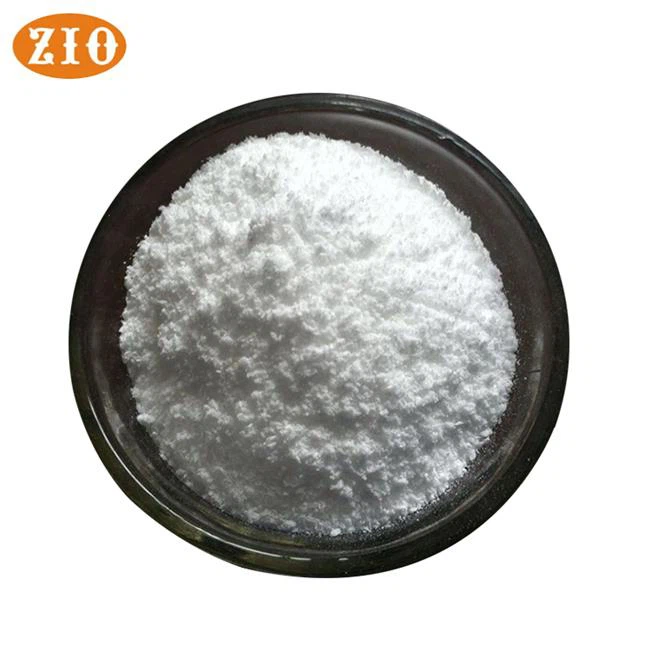
In the confectionery industry, malic acid is used to add a tart and tangy flavor to candies, gummies, and other sweet treats. It can also help to improve the texture of the confectionery by preventing the sugar from crystallizing and making the product more chewy and pliable. DL Malic Acid Powder is often used in the production of sour candies, where its high acidity can create a intense and long-lasting tartness.
Dairy Products
Malic acid is sometimes added to dairy products, such as yogurt, cheese, and ice cream, to provide a tangy flavor and enhance the texture. It can also help to prevent the growth of bacteria and extend the shelf life of the product. In yogurt, for example, the addition of malic acid can cause the milk proteins to coagulate, resulting in a thicker and creamier texture.
Processed Foods
Malic acid is widely used in the production of processed foods, such as sauces, dressings, and marinades, to enhance the flavor and preserve the freshness of the product. It can also help to balance the acidity and improve the texture of the food. For example, in tomato sauce, the addition of malic acid can help to enhance the natural acidity of the tomatoes and give the sauce a more vibrant and flavorful taste.
Conclusion
In conclusion, malic acid is a versatile ingredient that can have a significant impact on the mouthfeel of food products. Its ability to impart a tart and acidic taste, improve the texture and viscosity, and retain moisture makes it a valuable addition to a wide range of food products. As a supplier of high-quality malic acid, we are committed to providing our customers with the best possible products and services.
If you are interested in learning more about the applications of malic acid in the food industry or would like to discuss your specific requirements, please do not hesitate to contact us. We would be happy to assist you with your procurement needs and help you find the right malic acid product for your application.
References
- Belitz, H. -D., Grosch, W., & Schieberle, P. (2009). Food Chemistry. Springer.
- Fellows, P. J. (2009). Food Processing Technology: Principles and Practice. CRC Press.
- Lawless, H. T., & Heymann, H. (2010). Sensory Evaluation of Food: Principles and Practices. Springer.