

As a dedicated supplier of Sodium Benzoate, I often encounter inquiries regarding its solubility in various solvents. One such question that frequently arises is about the solubility of Sodium Benzoate in propylene glycol. In this blog post, we will delve into the details of this solubility, exploring the factors that influence it and its implications in different industries.
Understanding Sodium Benzoate
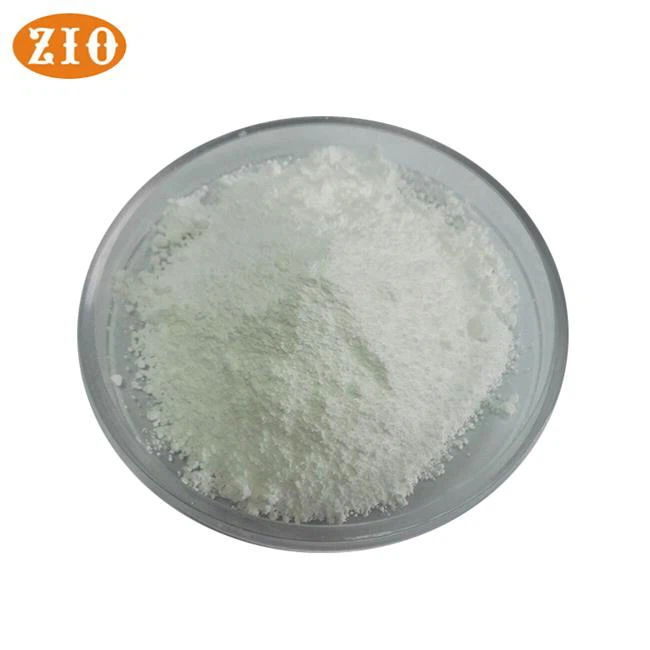
Sodium Benzoate is a widely used preservative known for its effectiveness in inhibiting the growth of bacteria, yeast, and mold. Its chemical formula is C₇H₅NaO₂, and it has a CAS number of 532 - 32 - 1. You can learn more about its chemical formula in cosmetics by visiting Sodium Benzoate Chemical Formula in Cosmetics and about its CAS number at Sodium Benzoate CAS 532 32 1. It is commonly used in the food and beverage industry, as well as in cosmetics and personal care products. In the food industry, it is labeled as E211, and you can find more information about its use in food at Sodium Benzoate E211 in Food.
Properties of Propylene Glycol
Propylene glycol is a colorless, odorless, and slightly viscous liquid. It is a common solvent used in many industries, including food, pharmaceuticals, and cosmetics. It has good solubility for many substances and is known for its low toxicity, making it a popular choice for various applications.
Solubility of Sodium Benzoate in Propylene Glycol
The solubility of Sodium Benzoate in propylene glycol is influenced by several factors, including temperature, pressure, and the presence of other substances.
Temperature
Temperature plays a crucial role in the solubility of Sodium Benzoate in propylene glycol. Generally, as the temperature increases, the solubility of most solids in liquids also increases. This is because higher temperatures provide more energy to the molecules, allowing them to break the intermolecular forces holding the solid together and dissolve more readily in the solvent.
For Sodium Benzoate in propylene glycol, at room temperature (around 25°C), the solubility is relatively limited. However, as the temperature rises, more Sodium Benzoate can dissolve in the propylene glycol. For example, at 50°C, the solubility may be significantly higher than at 25°C. This temperature - solubility relationship can be described by a solubility curve, which shows the maximum amount of solute (Sodium Benzoate) that can dissolve in a given amount of solvent (propylene glycol) at different temperatures.
Pressure
In most cases, pressure has a negligible effect on the solubility of solids in liquids. The solubility of Sodium Benzoate in propylene glycol is mainly determined by temperature and the nature of the solute - solvent interaction. However, under extreme pressure conditions, there may be some minor changes in solubility, but these are not typically relevant in normal industrial or laboratory settings.
Presence of Other Substances
The presence of other substances in the propylene glycol can also affect the solubility of Sodium Benzoate. If there are other solutes already dissolved in the propylene glycol, they may compete for the solvent molecules, reducing the solubility of Sodium Benzoate. On the other hand, some substances may form complexes with Sodium Benzoate, either increasing or decreasing its solubility depending on the nature of the complex.
Measuring the Solubility
To determine the solubility of Sodium Benzoate in propylene glycol, a common method is to prepare a saturated solution. This involves adding an excess amount of Sodium Benzoate to a known volume of propylene glycol and stirring the mixture at a constant temperature until no more Sodium Benzoate can dissolve. The undissolved Sodium Benzoate is then filtered out, and the concentration of the dissolved Sodium Benzoate in the solution is measured. This can be done using various analytical techniques, such as titration or spectroscopy.
Applications in Different Industries
Food and Beverage Industry
In the food and beverage industry, the solubility of Sodium Benzoate in propylene glycol can be important for formulating products. Propylene glycol is sometimes used as a carrier or solvent in food additives. If a food product requires the use of Sodium Benzoate as a preservative and propylene glycol is part of the formulation, understanding the solubility is crucial to ensure that the correct amount of Sodium Benzoate can be dissolved and distributed evenly throughout the product.
Cosmetics and Personal Care Products
In cosmetics and personal care products, propylene glycol is a common ingredient due to its moisturizing and solvent properties. Sodium Benzoate is used as a preservative to prevent the growth of microorganisms. Knowing the solubility of Sodium Benzoate in propylene glycol helps formulators create stable and effective products. For example, in lotions or creams, the solubility determines how well the preservative can be incorporated into the product without causing precipitation or phase separation.
Pharmaceutical Industry
In the pharmaceutical industry, propylene glycol is used as a solvent in many formulations. Sodium Benzoate may be used as a preservative in some pharmaceutical products. Understanding the solubility of Sodium Benzoate in propylene glycol is essential for ensuring the quality and stability of these products. It helps in determining the appropriate concentration of the preservative and the compatibility with other ingredients in the formulation.
Conclusion
The solubility of Sodium Benzoate in propylene glycol is a complex phenomenon influenced by temperature, pressure, and the presence of other substances. By understanding these factors, industries can make better use of Sodium Benzoate in formulations that involve propylene glycol. Whether it's in the food, cosmetics, or pharmaceutical industry, this knowledge is crucial for creating high - quality and effective products.
If you are interested in purchasing Sodium Benzoate for your specific applications, we are here to provide you with high - quality products and professional advice. Contact us to discuss your requirements and start a procurement negotiation.
References
- Textbook of Solubility and Solution Chemistry
- Journal of Chemical and Engineering Data on solubility studies of organic compounds in solvents.
- Industry reports on the use of preservatives in food, cosmetics, and pharmaceuticals.