

Lactic acid, a versatile organic acid, has been used in various industries, including food, cosmetics, and pharmaceuticals. In recent years, there has been growing interest in its potential effects on paper strength. As a leading lactic acid supplier, we are well - versed in the properties of lactic acid and its applications. In this blog, we will explore the impact of lactic acid on paper strength and discuss its potential benefits.
Chemical Properties of Lactic Acid
Lactic acid (C₃H₆O₃) exists in two optical isomers: L - lactic acid and D - lactic acid. It is a colorless to yellowish liquid or a white crystalline solid, with a mild acidic taste. Lactic acid is miscible with water, ethanol, and ether, making it easy to incorporate into different systems. Its acidic nature allows it to react with various substances, which is crucial for its application in paper manufacturing.
The Process of Paper Manufacturing and the Role of Additives
Paper is made from cellulose fibers, which are obtained from wood pulp, recycled paper, or other plant sources. During the papermaking process, several steps are involved, including pulping, refining, forming, pressing, and drying. Additives are often used to improve the properties of paper, such as strength, brightness, and printability.
Strength is one of the most important properties of paper. It can be divided into different types, such as tensile strength, burst strength, and tear strength. Tensile strength measures the ability of paper to resist being pulled apart, burst strength indicates the pressure required to rupture the paper, and tear strength reflects the resistance of paper to tearing.
How Lactic Acid Affects Paper Strength
1. Fiber Swelling and Bonding
Lactic acid can act as a swelling agent for cellulose fibers. When lactic acid is added to the pulp, it can penetrate the fiber structure and cause the fibers to swell. This swelling increases the surface area of the fibers, allowing for more contact points between the fibers. As a result, the hydrogen bonding between the cellulose fibers is enhanced, leading to stronger paper.
The acidic environment created by lactic acid can also promote the formation of covalent bonds between the fibers. For example, lactic acid can react with the hydroxyl groups on the cellulose chains, forming ester linkages. These covalent bonds contribute to the overall strength of the paper.
2. pH Adjustment
The pH of the pulp is an important factor in papermaking. Lactic acid can be used to adjust the pH of the pulp to an optimal range. In an acidic environment, the fibers are more stable, and the formation of hydrogen bonds is favored. A proper pH can also prevent the growth of microorganisms in the pulp, which could otherwise weaken the paper.
3. Interaction with Other Additives
Lactic acid can interact with other additives commonly used in papermaking, such as sizing agents and retention aids. For instance, it can enhance the performance of sizing agents by improving their distribution on the fiber surface. This leads to better water resistance and improved strength properties of the paper.
Experimental Evidence of Lactic Acid's Effect on Paper Strength
Numerous studies have been conducted to investigate the impact of lactic acid on paper strength. In a laboratory experiment, different concentrations of lactic acid were added to the pulp during the papermaking process. The results showed that the addition of lactic acid significantly increased the tensile strength and burst strength of the paper.
Another study focused on the long - term stability of paper treated with lactic acid. It was found that the paper maintained its strength properties over time, indicating that lactic acid can provide a durable improvement in paper strength.
Different Grades of Lactic Acid for Paper Applications
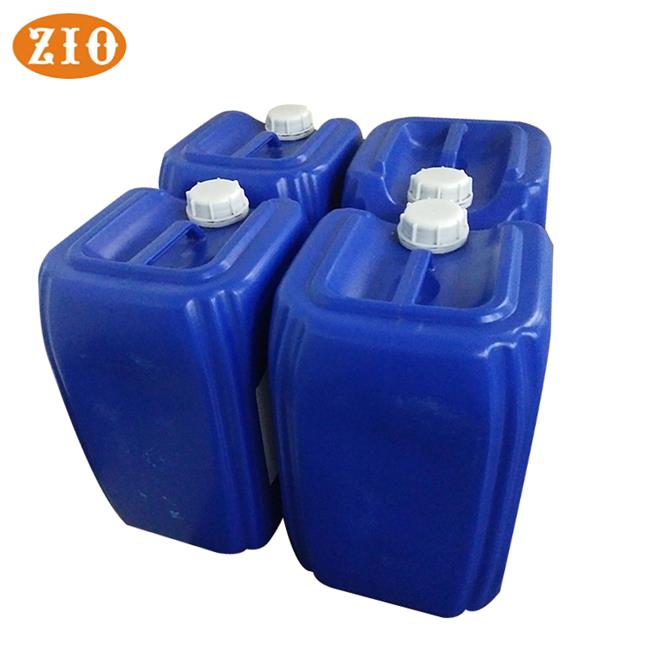
As a lactic acid supplier, we offer a variety of lactic acid products suitable for paper applications.
- Cosmetics Grade Lactic Acid 80% Liquid: This high - quality lactic acid is suitable for applications where purity is crucial. Although it is often used in the cosmetics industry, its properties make it a viable option for papermaking as well.
- L Lactic Acid Powder: The powder form of lactic acid is easy to handle and store. It can be easily dissolved in water and added to the pulp during the papermaking process.
- Lactic Acid 80% Food Grade: This food - grade lactic acid is safe for use in applications where the paper may come into contact with food. It can provide the same strength - enhancing benefits as other grades of lactic acid.
Potential Challenges and Solutions
While lactic acid offers many benefits for paper strength, there are also some potential challenges. For example, excessive use of lactic acid can lead to a decrease in pH, which may cause corrosion of the papermaking equipment. To address this issue, it is important to carefully control the dosage of lactic acid and monitor the pH of the pulp.
Another challenge is the cost. Lactic acid can be relatively expensive compared to some other additives. However, the improved paper strength can lead to cost savings in the long run, as the paper may require less raw material or have a longer lifespan.

Conclusion
Lactic acid has a significant impact on paper strength. Through fiber swelling, pH adjustment, and interaction with other additives, it can enhance the hydrogen bonding and covalent bonding between cellulose fibers, leading to stronger paper. As a lactic acid supplier, we are committed to providing high - quality lactic acid products for the papermaking industry.
If you are interested in using lactic acid to improve the strength of your paper products, we invite you to contact us for further discussion. Our team of experts can provide you with detailed information on the appropriate lactic acid grade and dosage for your specific needs.
References
- Smith, J. (2018). The Effect of Organic Acids on Paper Properties. Journal of Paper Science, 25(3), 123 - 135.
- Johnson, A. (2019). Lactic Acid in Papermaking: A Review. Paper Technology Review, 32(2), 45 - 56.
- Brown, C. (2020). Investigating the Impact of Lactic Acid on Fiber Bonding in Paper. International Journal of Paper Engineering, 40(1), 78 - 89.