

Hey there! As a supplier of L Tartaric Acid Powder, I often get asked about its density. So, let's dive right into it and explore what the density of L Tartaric Acid Powder actually is.
First off, density is a measure of how much mass is contained in a given volume. In the case of L Tartaric Acid Powder, its density gives us an idea of how tightly packed the particles are. The density of L Tartaric Acid Powder typically ranges around 1.76 g/cm³. This value can vary slightly depending on factors like the particle size, purity, and how the powder is packed.
Now, why is the density of L Tartaric Acid Powder important? Well, for one, it's crucial in various industries where accurate measurements are key. In the food industry, for example, knowing the density helps in formulating recipes correctly. When you're making a certain food product and you need to add a specific amount of L Tartaric Acid Powder, understanding its density allows you to measure the right quantity. It ensures that the taste, texture, and overall quality of the food are consistent.
In the pharmaceutical industry, density also plays a vital role. When manufacturing medications, precise dosing is essential. The density of L Tartaric Acid Powder helps pharmacists and manufacturers measure the correct amount to be included in the formulation. This is important for the safety and effectiveness of the drugs.
Let's talk a bit about the properties of L Tartaric Acid Powder that might affect its density. Particle size is a significant factor. If the particles are larger, there might be more empty spaces between them, resulting in a lower apparent density. On the other hand, smaller particles can pack more closely together, leading to a higher density. The purity of the powder also matters. Impurities can change the composition and thus the density of the L Tartaric Acid Powder.
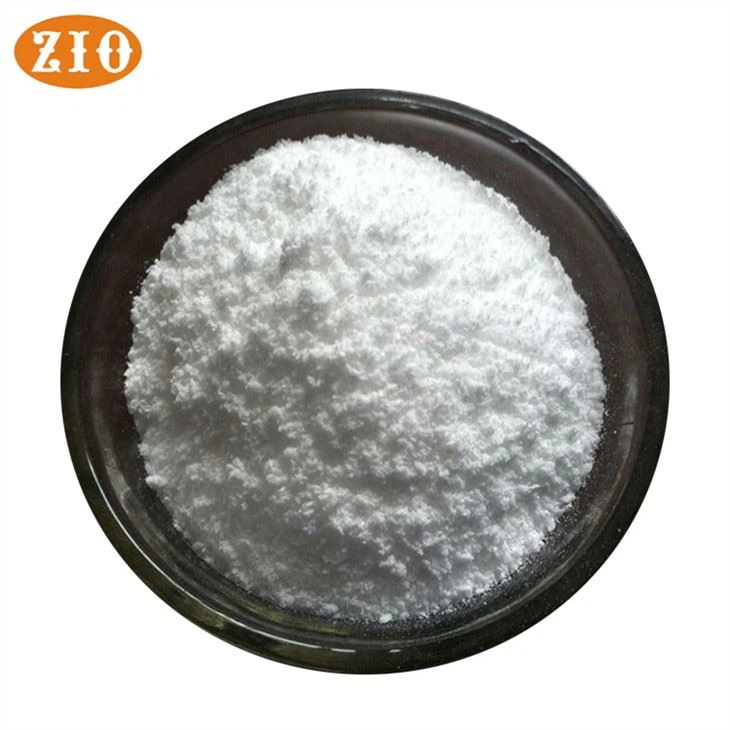
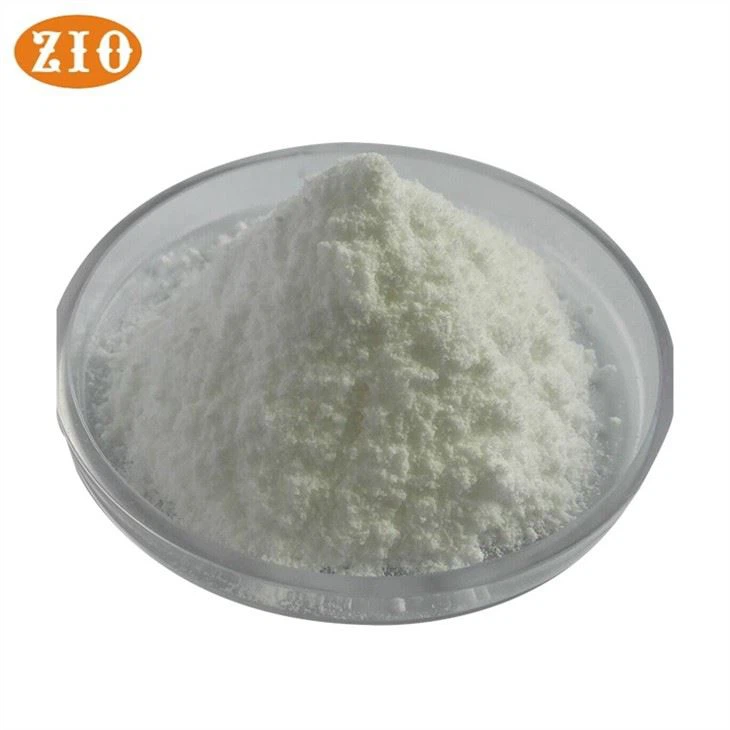
Another thing to consider is how the powder is stored and handled. If it's exposed to high humidity, it might absorb moisture. This can increase the mass of the powder and potentially change its density. So, proper storage in a dry environment is important to maintain the consistency of the density.
Now, I'd like to mention some related products that we offer. We have Antioxidant Food Grade Tartaric Acid Powder. This product is great for food applications as it not only has the acid - regulating properties but also acts as an antioxidant. It helps in preserving the freshness and quality of food products.
We also have Potassium Hydrogen Tartrate Powder. This is another useful product in the food and beverage industry. It's often used in baking and winemaking.
Of course, our main product, L Tartaric Acid Powder, is widely used in multiple industries. Whether you're in the food, pharmaceutical, or cosmetic industry, it has a lot of applications.
If you're in the market for high - quality L Tartaric Acid Powder or any of our related products, we're here to help. We ensure that our products meet the highest standards of quality and purity. Our team is always ready to answer any questions you might have about the density, usage, or any other aspect of our products.
If you're interested in purchasing our products, don't hesitate to reach out. We can discuss your specific requirements, provide samples if needed, and work out the best deal for you. Whether you're a small - scale business or a large corporation, we're committed to providing excellent service and top - notch products.
In conclusion, the density of L Tartaric Acid Powder is an important characteristic that impacts its use in various industries. By understanding its density and how it can be affected, you can make better use of this versatile product. And if you're looking for a reliable supplier of L Tartaric Acid Powder and related products, we're the ones to contact.
References
- General knowledge of chemical properties of tartaric acid from chemistry textbooks
- Industry standards and guidelines for food and pharmaceutical applications of tartaric acid