

In the world of food additives, aspartame has long been a subject of both acclaim and controversy. As a leading supplier of aspartame, I've witnessed firsthand the widespread use of this artificial sweetener in various industries, from beverages to baked goods. However, recent developments regarding the potential health risks associated with aspartame have led some countries to take regulatory action. In this blog post, I'll explore which countries have banned aspartame and the reasons behind these decisions.
What is Aspartame?
Before delving into the countries that have banned aspartame, it's essential to understand what this sweetener is and why it's so widely used. Aspartame, also known as E951, is an artificial sweetener that is approximately 200 times sweeter than sucrose (table sugar). It was first discovered in 1965 and has since become a popular sugar substitute in many low-calorie and sugar-free products.
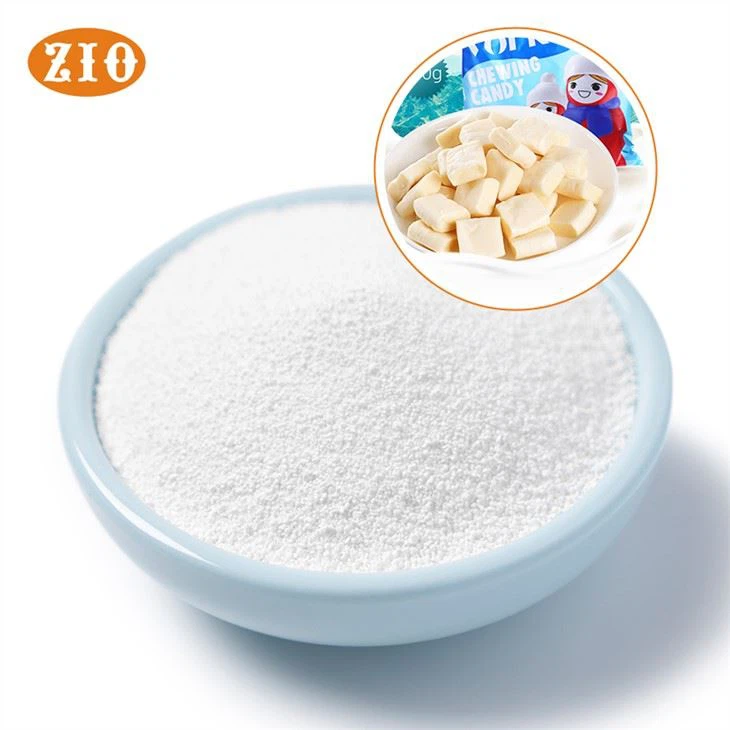

One of the main advantages of aspartame is its low-calorie content, making it an attractive option for individuals looking to reduce their sugar intake and manage their weight. Additionally, aspartame does not raise blood sugar levels, making it suitable for people with diabetes. These qualities have made aspartame a staple in the diet food and beverage industry, where it is used in products such as diet sodas, sugar-free chewing gum, and low-calorie desserts.
Aspartame and Health Concerns
Despite its widespread use, aspartame has been the subject of numerous health concerns over the years. Some studies have suggested that aspartame may be linked to a variety of health problems, including cancer, neurological disorders, and metabolic issues. However, it's important to note that the vast majority of scientific research has found no evidence to support these claims.
The World Health Organization (WHO), the United States Food and Drug Administration (FDA), and other regulatory agencies around the world have conducted extensive reviews of the safety of aspartame and have concluded that it is safe for human consumption when used within the approved limits. These limits are set to ensure that consumers are not exposed to excessive amounts of aspartame, which could potentially pose a health risk.
Countries That Have Banned Aspartame
While the majority of countries allow the use of aspartame in food and beverages, there are a few that have taken a more cautious approach and have either banned or restricted its use. Here are some of the countries that have implemented bans or restrictions on aspartame:
- Ecuador: In 1998, Ecuador became the first country in the world to ban aspartame. The ban was based on concerns about the potential health risks associated with the sweetener, particularly its possible link to cancer.
- Bolivia: Bolivia also banned aspartame in 1998, citing similar health concerns. The ban applies to all food and beverage products sold in the country.
- North Korea: North Korea has banned the import and use of aspartame, although the exact reasons for the ban are not clear. It's possible that the ban is related to the country's strict food safety regulations and its preference for natural food ingredients.
- Mauritius: In 2016, Mauritius announced a ban on the use of aspartame in all food and beverage products. The ban was implemented after a review of the scientific evidence on the safety of aspartame, which found that there were still some uncertainties regarding its long-term health effects.
Reasons for Banning Aspartame
The reasons for banning aspartame vary from country to country, but they generally revolve around concerns about its potential health risks. Some of the main reasons cited by countries that have banned aspartame include:
- Lack of long-term safety data: While the majority of scientific research has found no evidence to support the claims that aspartame is harmful to human health, some countries are concerned about the lack of long-term safety data. They argue that more research is needed to fully understand the potential risks associated with the sweetener, particularly its effects on children and pregnant women.
- Consumer preferences: In some countries, there is a growing trend towards natural and organic food products, and consumers are becoming more skeptical of artificial additives such as aspartame. As a result, some countries have banned aspartame to meet the demands of their consumers and to promote a healthier food environment.
- Regulatory differences: Different countries have different regulatory frameworks and standards for food additives, and some may be more cautious than others when it comes to approving new ingredients. As a result, a country may ban aspartame even if it is approved for use in other countries.
The Future of Aspartame
Despite the bans and restrictions in some countries, aspartame remains a widely used sweetener around the world. The majority of regulatory agencies have concluded that aspartame is safe for human consumption when used within the approved limits, and many consumers continue to choose products that contain aspartame as a low-calorie alternative to sugar.
However, the controversy surrounding aspartame is likely to continue, and it's possible that more countries may implement bans or restrictions on its use in the future. As a supplier of aspartame, it's important for me to stay informed about the latest scientific research and regulatory developments and to ensure that our products meet the highest standards of safety and quality.
Conclusion
In conclusion, while aspartame is a widely used sweetener with many benefits, it has also been the subject of numerous health concerns and regulatory actions. While the majority of countries allow the use of aspartame, there are a few that have banned or restricted its use due to concerns about its potential health risks. As a supplier of aspartame, I believe that it's important to balance the benefits of this sweetener with the need to ensure the safety and well-being of consumers.
If you're interested in learning more about our Aspartame Powder E951 or our Sweeteners Aspartame Powder in Drinks, or if you have any questions about the safety and quality of our products, please don't hesitate to contact us. We're always happy to discuss your needs and to provide you with the information you need to make an informed decision.
References
- World Health Organization. (2019). Evaluation of certain food additives and contaminants. Geneva: World Health Organization.
- United States Food and Drug Administration. (2020). Aspartame. Retrieved from https://www.fda.gov/food/food-additives-petitions/aspartame
- European Food Safety Authority. (2013). Re-evaluation of aspartame (E 951) as a food additive. EFSA Journal, 11(12), 3490.