

Hey there! As a supplier of tartaric acid, I'm super excited to share with you all the amazing uses of this versatile compound in the dairy industry. Tartaric acid might not be the first thing that comes to mind when you think about dairy products, but it plays a crucial role in enhancing the quality, taste, and shelf - life of many dairy items.
First off, let's talk about tartaric acid as an acidity regulator. In the dairy world, getting the right pH level is key. Dairy products are sensitive to changes in acidity, and tartaric acid can help maintain that perfect balance. For example, in yogurt production, the fermentation process by bacteria produces lactic acid, which gives yogurt its tangy flavor. But sometimes, you need a bit more control over the acidity. That's where tartaric acid steps in. It can be added in small amounts to fine - tune the pH, making the yogurt taste just right. This not only affects the flavor but also the texture. A well - regulated pH can prevent the yogurt from becoming too thick or too thin, ensuring a smooth and creamy consistency that consumers love.
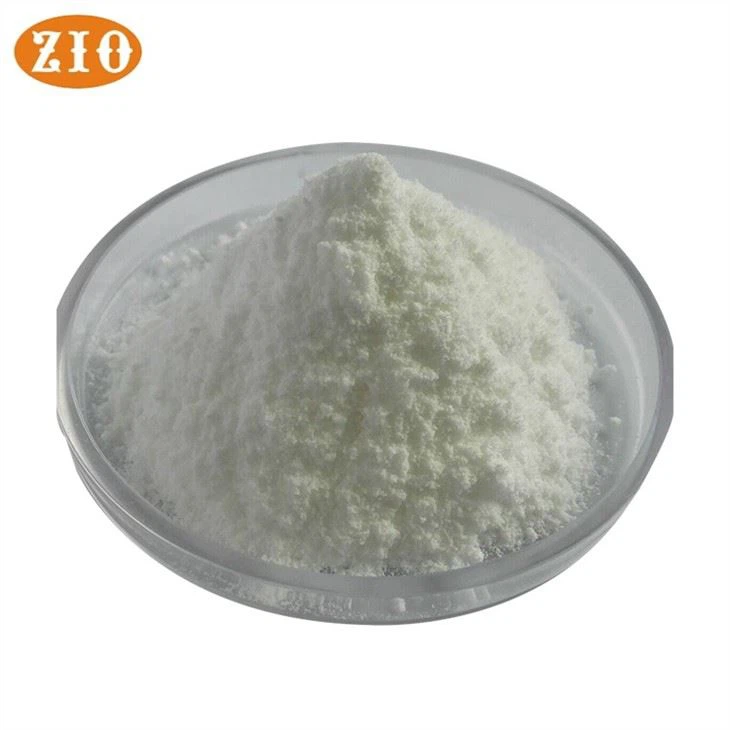

When it comes to cheese making, tartaric acid also has its place. During the cheese - making process, the coagulation of milk proteins is a critical step. The right acidity can speed up or slow down this process, and tartaric acid can be used to adjust the conditions. It helps in the formation of a proper curd, which is essential for the texture and quality of the final cheese product. Whether it's a soft cheese like brie or a hard cheese like cheddar, tartaric acid can contribute to achieving the desired characteristics.
Another important use of tartaric acid in the dairy industry is as an antioxidant. Dairy products are prone to oxidation, which can lead to off - flavors, color changes, and a decrease in nutritional value. Oxidation occurs when the fats and proteins in dairy react with oxygen in the air. Tartaric acid can act as a shield against this process. It donates electrons to the free radicals that cause oxidation, neutralizing them and preventing the degradation of the dairy product. For instance, in milk - based desserts or ice creams, tartaric acid can help maintain the freshness and flavor for a longer period. You can check out our Antioxidant Food Grade Tartaric Acid Powder which is specifically formulated for such applications.
Tartaric acid also has a role in the emulsification process. Many dairy products, like milkshakes and cream - based sauces, are emulsions, which means they are a mixture of two immiscible liquids (usually oil and water). Emulsifiers are needed to keep these two phases from separating. Tartaric acid can interact with the proteins and fats in the dairy, helping to form a stable emulsion. This results in a more homogeneous product with a better mouthfeel.
Now, let's touch on the use of potassium hydrogen tartrate, a salt of tartaric acid, in the dairy industry. Potassium hydrogen tartrate, also known as cream of tartar, has some unique properties. It can be used as a stabilizer in whipped cream. When you whip cream, the fat globules need to stick together to form a stable foam. Potassium hydrogen tartrate can help in this process by increasing the viscosity of the cream and preventing the fat globules from separating. This makes the whipped cream hold its shape better and last longer. You can find our high - quality Potassium Hydrogen Tartrate Powder that is ideal for dairy applications.
In addition to these uses, tartaric acid can also be used in the production of dairy - based beverages. It can add a refreshing tartness to drinks like milk - based smoothies or buttermilk. This tart flavor can balance out the sweetness of added sugars and make the beverage more appealing to consumers.
The chemical properties of tartaric acid are also worth mentioning. There are different forms of tartaric acid, such as DL - tartaric acid. The DL Tartaric Acid Chemical Formula shows its unique structure, which gives it specific reactivity and solubility characteristics. These properties make it suitable for different dairy applications. For example, its solubility in water allows it to be easily incorporated into dairy products during the manufacturing process.
As a supplier of tartaric acid, I can tell you that we take great pride in providing high - quality products to the dairy industry. Our tartaric acid is food - grade, which means it meets all the safety and quality standards required for use in dairy products. We understand the importance of consistency and purity, and we work hard to ensure that every batch of our product is up to par.
If you're in the dairy industry and looking for a reliable source of tartaric acid, we'd love to hear from you. Whether you're a small - scale artisanal cheese maker or a large - scale dairy manufacturer, we can provide the right tartaric acid products for your needs. We can offer technical support and advice on how to best use tartaric acid in your production process to achieve the best results.
So, if you're interested in learning more about our tartaric acid products or want to discuss a potential purchase, don't hesitate to reach out. Let's work together to enhance the quality and taste of your dairy products!
References
- "Food Chemistry" by Owen R. Fennema. This book provides in - depth knowledge about the chemical reactions and properties of food ingredients, including tartaric acid.
- "Dairy Science and Technology" by Paul L. H. McSweeney and Timothy M. Fox. It covers all aspects of dairy production, including the use of additives like tartaric acid.