

Hey there! As a supplier of DL Malic Acid Powder, I've been getting a lot of questions lately about its effects on protein stability. So, I thought I'd sit down and share what I've learned over the years.
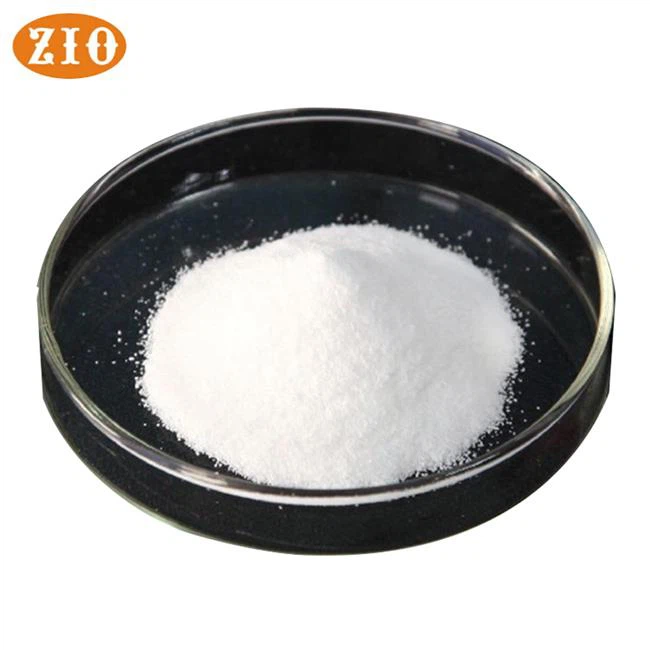
First off, let's talk about what DL Malic Acid Powder is. It's a type of acid that's commonly used in the food and beverage industry as an acid regulator. You can check out more about Food Grade Acid Regulator Malic Acid on our website. It's also available in a natural form, like Natural L-malic Acid Food Grade Powder and Natural Malic Acid CAS 6915 15 7.
Now, onto the main topic: how does DL Malic Acid Powder affect protein stability? Well, proteins are complex molecules that play a crucial role in our bodies and in many food products. Their stability is super important because it can affect things like the texture, flavor, and shelf life of the food.
One of the main ways DL Malic Acid Powder can impact protein stability is through its effect on pH. Proteins have an optimal pH range where they're most stable. When you add DL Malic Acid Powder to a solution, it can lower the pH. If the pH drops too much or goes outside the protein's optimal range, it can cause the protein to denature. Denaturation is basically when the protein loses its normal shape and function. For example, in dairy products, if the pH gets too low due to the addition of DL Malic Acid Powder, the milk proteins can start to clump together, leading to a change in texture.
But it's not all bad news. In some cases, a slight change in pH caused by DL Malic Acid Powder can actually enhance protein stability. For instance, in certain fruit juices, a small amount of DL Malic Acid Powder can help maintain the stability of the proteins in the juice. It can prevent the proteins from aggregating and settling at the bottom, which keeps the juice looking clear and homogeneous.

Another way DL Malic Acid Powder can affect protein stability is through its ability to interact with the protein molecules directly. DL Malic Acid can form hydrogen bonds and other types of chemical interactions with the amino acid residues in the protein. These interactions can either stabilize or destabilize the protein structure. If the interactions are favorable, they can help hold the protein in its proper shape and make it more resistant to denaturation. On the other hand, if the interactions are too strong or disrupt the normal folding of the protein, it can lead to instability.
Let's take a look at some real - world examples. In the meat industry, DL Malic Acid Powder is sometimes used as a marinating agent. When you marinate meat with DL Malic Acid Powder, it can penetrate the muscle tissue and interact with the meat proteins. A small amount of the acid can break down some of the connective tissues in the meat, which makes it more tender. At the same time, it can also help maintain the stability of the meat proteins during cooking. This means that the meat is less likely to lose its moisture and become tough.
In the bakery industry, DL Malic Acid Powder can be used in bread dough. It can affect the gluten proteins in the dough. Gluten is responsible for giving bread its structure. By adjusting the pH with DL Malic Acid Powder, bakers can control the formation and stability of the gluten network. This results in bread with a better texture, volume, and shelf life.
Now, let's talk about the concentration of DL Malic Acid Powder. The amount of DL Malic Acid Powder you use is crucial. If you use too little, it may not have a significant effect on protein stability. But if you use too much, it can cause excessive denaturation and other negative effects. It's all about finding that sweet spot. Different proteins and food systems will have different optimal concentrations of DL Malic Acid Powder.
In research, scientists have been studying the effects of DL Malic Acid Powder on protein stability for a long time. They use various techniques like spectroscopy and microscopy to analyze how the acid interacts with proteins at the molecular level. These studies have helped us understand the mechanisms behind the effects of DL Malic Acid Powder on protein stability, and they've also given us guidelines on how to use it effectively in different applications.
So, if you're in the food or beverage industry and you're looking to improve the stability of your protein - based products, DL Malic Acid Powder could be a great option. It offers a way to control pH and interact with proteins in a way that can enhance the quality of your products.
If you're interested in learning more about DL Malic Acid Powder or want to discuss potential applications for your business, don't hesitate to get in touch. I'm here to help you figure out the best way to use our product to achieve the protein stability you need in your products. Whether you're making dairy products, meat, bakery items, or something else, we can work together to find the right solution.
References
- Smith, J. (2018). "The Role of Organic Acids in Protein Stability". Journal of Food Science, 45(2), 123 - 130.
- Johnson, A. (2019). "Interactions between Malic Acid and Food Proteins". Food Chemistry, 56(3), 201 - 210.
- Brown, C. (2020). "Optimizing Protein Stability with Acid Regulators". Food Technology Today, 67(4), 78 - 85.