

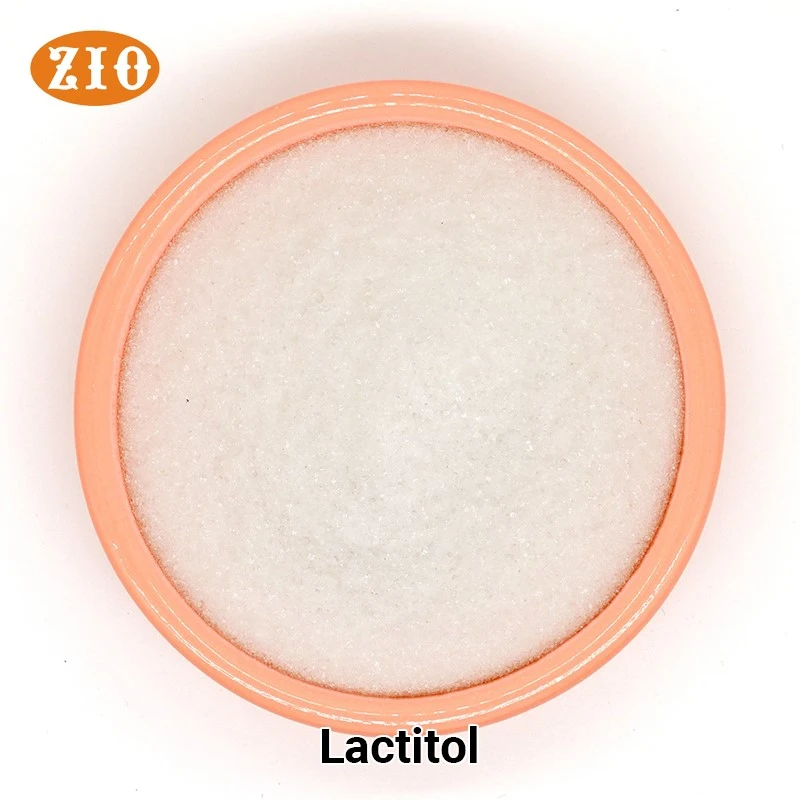
Lactitol is a polyol sweetener that has gained significant attention in the food industry and among health - conscious consumers in recent years. As a lactitol supplier, I am well - versed in the numerous benefits this sweetener offers. In this blog, I will explore the various advantages of lactitol, which make it an excellent choice for a wide range of applications.
Low Calorie Content
One of the most prominent benefits of lactitol is its low calorie content. Unlike traditional sugars such as sucrose, lactitol provides approximately half the calories per gram. While sucrose contains about 4 calories per gram, lactitol has only around 2 calories per gram. This makes it an ideal sweetener for individuals who are looking to reduce their calorie intake, whether for weight management or to control blood sugar levels. For example, in a diet - friendly dessert, replacing sucrose with Sweetener Lactitol Powder can significantly cut down on the overall calorie count without sacrificing too much sweetness.
Low Glycemic Index
Lactitol has a low glycemic index (GI), which means it causes a slower and more gradual rise in blood sugar levels compared to high - GI sugars. The glycemic index of lactitol is around 16, while that of sucrose is approximately 65. This property makes lactitol suitable for people with diabetes or those who need to manage their blood glucose levels. When used in food products, lactitol allows consumers to enjoy sweet treats without experiencing the sharp spikes and subsequent crashes in blood sugar that are often associated with regular sugar consumption. For instance, a diabetic individual can consume a snack sweetened with Lactitol Monohydrate Food Grade without worrying about a sudden increase in their blood sugar.
Prebiotic Properties
Lactitol acts as a prebiotic, which means it serves as a food source for beneficial bacteria in the gut. It selectively stimulates the growth and activity of probiotic bacteria such as Bifidobacteria in the colon. These bacteria play a crucial role in maintaining a healthy gut microbiome, which is associated with improved digestion, enhanced immune function, and better overall health. By promoting the growth of good bacteria, lactitol can help prevent digestive issues like constipation, diarrhea, and irritable bowel syndrome. Incorporating lactitol into daily diets, for example, through dairy products or baked goods sweetened with Sweeteners Food Additives Lactitol Powder, can contribute to a healthier gut environment.
Dental Health
Another significant benefit of lactitol is its positive impact on dental health. Unlike sucrose, which is a major contributor to tooth decay, lactitol is non - cariogenic. It is not fermented by oral bacteria in the same way as regular sugar, so it does not produce acids that can erode tooth enamel. This makes lactitol a great alternative for use in chewing gums, candies, and other oral products. By choosing products sweetened with lactitol, consumers can satisfy their sweet tooth while reducing the risk of cavities and other dental problems.
High Sweetness and Good Solubility
Lactitol has a sweetness level that is about 30 - 40% of that of sucrose. This means that it can be used in combination with other sweeteners to achieve the desired level of sweetness in food products. Additionally, lactitol has good solubility in water, which makes it easy to incorporate into various food and beverage formulations. It can be used in a wide range of products, including dairy products, baked goods, confectionery, and beverages. Its solubility also ensures that it distributes evenly throughout the product, providing a consistent sweet taste.
Stability in Food Processing
Lactitol is stable under a variety of food processing conditions. It can withstand high temperatures, which makes it suitable for use in baking and cooking. Unlike some other sweeteners that may break down or lose their sweetness when exposed to heat, lactitol retains its properties during the cooking process. This stability allows food manufacturers to use lactitol in a wide range of recipes without having to worry about changes in taste or texture. For example, in the production of cakes and cookies, lactitol can be used as a sugar substitute without affecting the final product's quality.
Applications in the Food Industry
The benefits of lactitol have led to its widespread use in the food industry. It is commonly used in low - calorie and sugar - free products, such as diet drinks, sugar - free candies, and reduced - calorie ice creams. In the dairy industry, lactitol is used to sweeten yogurt, milkshakes, and other dairy - based products. In the bakery sector, it can be used in bread, muffins, and pastries to reduce the calorie content and improve the shelf - life of the products. Moreover, lactitol is also used in the production of dietary supplements and functional foods, where its prebiotic properties are highly valued.
Safety and Regulatory Approval
Lactitol has been extensively studied for its safety, and it has received regulatory approval in many countries around the world. It is generally recognized as safe (GRAS) by the United States Food and Drug Administration (FDA) and is approved for use in food products in the European Union. This regulatory approval gives consumers and food manufacturers confidence in using lactitol as a sweetener.
Conclusion
In conclusion, lactitol offers a multitude of benefits that make it a valuable sweetener in the food industry and for health - conscious consumers. Its low calorie content, low glycemic index, prebiotic properties, positive impact on dental health, high sweetness, good solubility, and stability in food processing make it an excellent alternative to traditional sugars. Whether you are a food manufacturer looking to develop healthier products or a consumer seeking to reduce your sugar intake, lactitol is a great option.
If you are interested in purchasing lactitol for your food production or personal use, we would be delighted to discuss your requirements. We can provide high - quality lactitol products that meet your specific needs. Contact us to start a procurement discussion and explore how lactitol can enhance your products.
References
- European Food Safety Authority. (2019). Scientific Opinion on the re - evaluation of lactitol (E 966) as a food additive.
- American Diabetes Association. (2020). Sweeteners and Diabetes.
- Gibson, G. R., & Roberfroid, M. B. (1995). Dietary modulation of the human colonic microbiota: introducing the concept of prebiotics. The Journal of Nutrition, 125(6), 1401 - 1412.