

Hey there! As a supplier of tartaric acid, I've been super curious about how this stuff interacts with hormones. Tartaric acid is pretty well - known in various industries, like food and beverage, for its sour taste and its role as an acidity regulator. But its potential effects on hormones? That's a topic that doesn't get enough attention.
First off, let's talk a bit about what tartaric acid is. Tartaric acid is a white, crystalline organic acid that occurs naturally in many plants, especially grapes. It's used in a ton of products, from wines to candies. We offer different forms of tartaric acid, like L Tartaric Acid Powder, Tartaric Acid CAS 526 83 0, and Potassium Hydrogen Tartrate Powder. These are great for different applications, but today we're focusing on their possible hormonal links.
Hormones are like the body's messengers. They regulate a whole bunch of functions, from growth and development to metabolism and mood. When something in our diet or environment interacts with hormones, it can have a big impact on our health. So, how does tartaric acid fit into this picture?
One area where tartaric acid might have an effect is on insulin. Insulin is a hormone that helps our cells take up glucose from the blood. Some studies suggest that certain acids can influence insulin secretion. Tartaric acid, being an acid, could potentially play a role here. In the food industry, it's often used in products that are high in sugar. When we consume these products, the combination of sugar and tartaric acid might affect how our body releases and uses insulin.
For example, if you have a sweetened beverage with tartaric acid as an acidity regulator, the acid could potentially slow down the digestion of carbohydrates. This slower digestion might lead to a more gradual release of glucose into the bloodstream, which in turn could affect insulin secretion. Instead of a sudden spike in blood sugar and a large release of insulin, the process could be more controlled. But more research is needed to fully understand this relationship.
Another hormone that tartaric acid might interact with is leptin. Leptin is known as the "satiety hormone" because it helps us feel full. Some dietary components can influence leptin levels. Since tartaric acid can affect the taste and texture of food, it might also have an impact on our eating behavior. If a food product with tartaric acid tastes more satisfying, it could potentially lead to a feeling of fullness, which might be related to changes in leptin levels.
But it's not just about the digestive - related hormones. There's also a possibility that tartaric acid could interact with sex hormones. Some plant - derived compounds have been shown to have estrogen - like or anti - estrogenic effects. Although tartaric acid isn't a typical phytoestrogen, its presence in the body could potentially influence the way sex hormones are metabolized or how they bind to receptors. However, this is still a very speculative area, and there aren't many concrete studies on this yet.
Now, let's think about the practical implications of these potential hormonal interactions. If tartaric acid can indeed have an impact on hormones, it could open up new opportunities in the food and health industries. For food manufacturers, it could mean creating products that are not only tasty but also have potential health benefits related to hormone regulation.
For consumers, it could mean being more aware of the ingredients in the products they buy. If you're someone who's trying to manage your blood sugar levels or control your appetite, knowing that tartaric acid might play a role could be useful information.
As a supplier of tartaric acid, I'm really excited about the potential of this acid. We're committed to providing high - quality tartaric acid products to our customers. Whether you're a food manufacturer looking for an acidity regulator or a researcher interested in studying the effects of tartaric acid on hormones, we've got you covered.

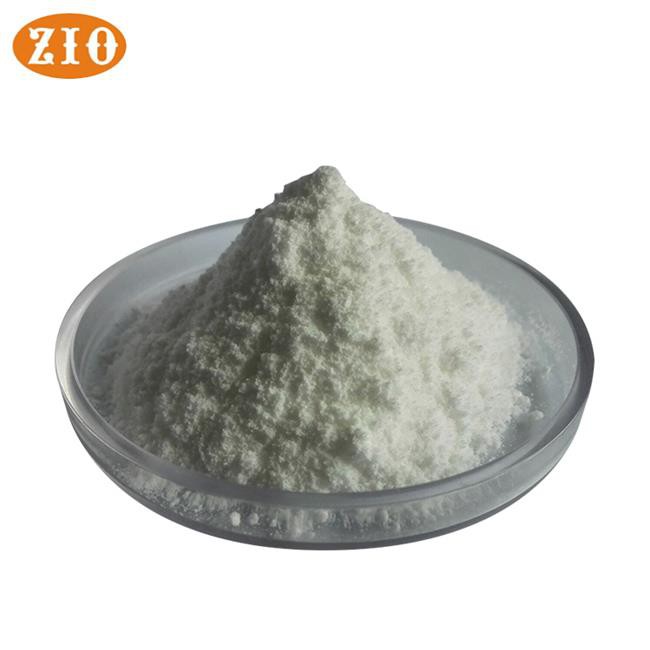
If you're interested in learning more about our tartaric acid products or want to discuss potential applications, don't hesitate to reach out. We're always happy to have a chat and see how we can work together. Whether it's for a small - scale project or a large - scale production, we can provide the right tartaric acid solution for you.
In conclusion, the interaction between tartaric acid and hormones is a fascinating area that's still in its early stages of research. There are many questions that need to be answered, but the potential is definitely there. As we continue to learn more, tartaric acid could prove to be even more valuable than we already thought. So, if you're in the market for tartaric acid, give us a shout, and let's explore the possibilities together.
References
- Scientific literature on the effects of dietary acids on insulin secretion.
- Studies on the role of taste and texture in satiety and leptin regulation.
- General research on hormonal metabolism and the influence of dietary components.