

Hey there! As a sodium benzoate supplier, I've got a ton of insights into how this common preservative interacts with vitamins in food. Let's dive right in and explore this fascinating topic.
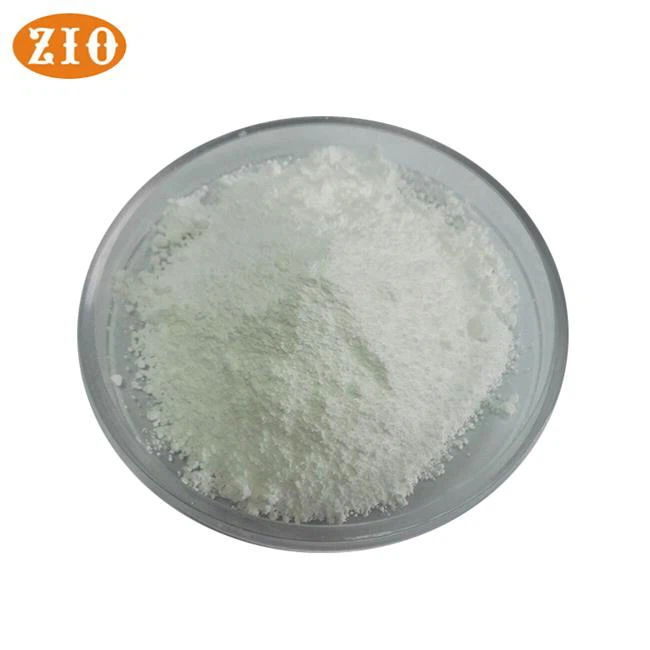
First off, what exactly is sodium benzoate? It's a widely used preservative, and you can find more about its use in cosmetics at Sodium Benzoate Chemical Formula in Cosmetics. In food, it's known as E211, and you can learn more about Sodium Benzoate E211 in Food. It's a white, odorless powder, and we offer Sodium Benzoate Powder Food Grade that's super popular in the food industry.
Now, onto how it interacts with vitamins. Vitamins are essential nutrients that our bodies need to function properly. They come in different types, like water - soluble vitamins (such as vitamin C and the B - complex vitamins) and fat - soluble vitamins (like vitamins A, D, E, and K).
Interaction with Water - Soluble Vitamins
Let's start with vitamin C. Vitamin C is a powerful antioxidant that helps boost our immune system. When sodium benzoate is added to a food product containing vitamin C, there can be some interesting chemical reactions. In an acidic environment, which is common in many fruit - based products where both sodium benzoate and vitamin C might be present, there's a potential for the formation of benzene. Benzene is a known carcinogen, and this reaction occurs when the benzoate ion from sodium benzoate reacts with the ascorbic acid (vitamin C) under certain conditions.
However, it's important to note that the formation of benzene is usually at very low levels and is highly dependent on factors like temperature, pH, and the concentration of both sodium benzoate and vitamin C. Food manufacturers are well - aware of this potential issue and take steps to control these factors to minimize benzene formation. For example, they might adjust the pH of the product or limit the amount of sodium benzoate used in combination with vitamin C.
As for the B - complex vitamins, which include thiamine (B1), riboflavin (B2), niacin (B3), and others, the interaction with sodium benzoate is generally less of a concern. These vitamins are relatively stable in the presence of sodium benzoate under normal food processing and storage conditions. But, high temperatures during processing or long - term storage can still have an impact on their stability. Sodium benzoate itself doesn't directly degrade these vitamins, but the overall environment in the food product can affect their integrity.
Interaction with Fat - Soluble Vitamins
When it comes to fat - soluble vitamins, the situation is a bit different. Fat - soluble vitamins are stored in the body's fatty tissues and liver. Sodium benzoate is water - soluble, so its direct interaction with fat - soluble vitamins is limited. However, in food products that contain both fat and water phases (like emulsions), the presence of sodium benzoate in the water phase can indirectly affect the stability of fat - soluble vitamins.
For example, in a salad dressing that contains vitamin A and sodium benzoate, the stability of vitamin A can be influenced by the overall quality of the emulsion. Sodium benzoate helps preserve the water phase of the dressing, but if the emulsion breaks down over time, it can expose the vitamin A in the fat phase to oxygen and other factors that can cause its degradation.
Vitamin D is another important fat - soluble vitamin. In fortified milk products, where sodium benzoate might be used as a preservative, the main concern is the overall quality of the product during storage. The presence of sodium benzoate doesn't directly interact with vitamin D, but it can help maintain the freshness of the milk, which in turn can indirectly affect the stability of vitamin D.
Impact on Vitamin Bioavailability
Bioavailability refers to the amount of a nutrient that is absorbed and used by the body. The interaction between sodium benzoate and vitamins can also have an impact on vitamin bioavailability. In some cases, the chemical reactions between sodium benzoate and vitamins might alter the structure of the vitamins, making them less available for absorption.
For instance, if benzene is formed in a product containing vitamin C, the presence of benzene can potentially interfere with the normal absorption of vitamin C in the body. However, as mentioned earlier, the levels of benzene are usually very low, and the overall impact on vitamin bioavailability is likely to be minimal.
On the other hand, in products where sodium benzoate helps preserve the overall quality of the food, it can actually have a positive effect on vitamin bioavailability. By preventing spoilage and maintaining the integrity of the food matrix, the vitamins in the product are more likely to remain intact and available for absorption when consumed.
Factors Affecting the Interaction
There are several factors that can influence how sodium benzoate interacts with vitamins in food.
pH
The pH of the food product is a crucial factor. As we saw with the vitamin C - sodium benzoate interaction, an acidic pH can increase the likelihood of benzene formation. Most food products have a specific pH range for optimal preservation and vitamin stability. For example, acidic fruit juices typically have a pH between 3 and 4, and this acidic environment can affect the interaction between sodium benzoate and vitamins.
Temperature
Temperature also plays a significant role. High temperatures during food processing, such as pasteurization or cooking, can accelerate chemical reactions between sodium benzoate and vitamins. Similarly, improper storage at high temperatures can lead to increased degradation of vitamins in the presence of sodium benzoate.
Concentration
The concentration of both sodium benzoate and vitamins in the food product matters. Higher concentrations of sodium benzoate might increase the potential for interactions, especially in combination with high levels of vitamins. Food manufacturers carefully calculate the appropriate concentrations of both to ensure product safety and quality.
Benefits of Using Sodium Benzoate in Food with Vitamins
Despite the potential interactions, sodium benzoate offers several benefits when used in food products that contain vitamins.
Preservation
One of the main benefits is preservation. Sodium benzoate is a great preservative that helps extend the shelf life of food products. This means that vitamins in the food are protected from spoilage and degradation caused by microorganisms. For example, in a vitamin - fortified fruit juice, sodium benzoate can prevent the growth of bacteria, yeast, and mold, ensuring that the vitamins remain available for a longer period.
Cost - Effectiveness
It's also a cost - effective solution for food manufacturers. Compared to some other preservatives, sodium benzoate is relatively inexpensive, which allows manufacturers to produce vitamin - rich food products at a reasonable cost. This makes these products more accessible to consumers.
Conclusion
In conclusion, the interaction between sodium benzoate and vitamins in food is a complex topic. While there are potential chemical reactions and impacts on vitamin stability and bioavailability, food manufacturers are taking steps to manage these issues. Sodium benzoate remains a valuable preservative in the food industry, especially when it comes to preserving vitamin - rich food products.
If you're in the food industry and are interested in using our high - quality Sodium Benzoate Powder Food Grade, we'd love to have a chat with you. Whether you have questions about its interaction with vitamins or just want to learn more about our product, don't hesitate to reach out. We're here to help you make the best decisions for your food products.
References
- International Programme on Chemical Safety. (1996). Environmental Health Criteria 189: Benzene. World Health Organization.
- Food and Agriculture Organization of the United Nations/World Health Organization. (2000). Joint FAO/WHO Expert Committee on Food Additives (JECFA). Evaluation of Certain Food Additives and Contaminants.