

Hey there! As a lactic acid supplier, I've seen firsthand how lactic acid treatment can work wonders for leather properties. In this blog, I'm gonna break down the science behind it and show you why it's such a game - changer in the leather industry.
What is Lactic Acid?
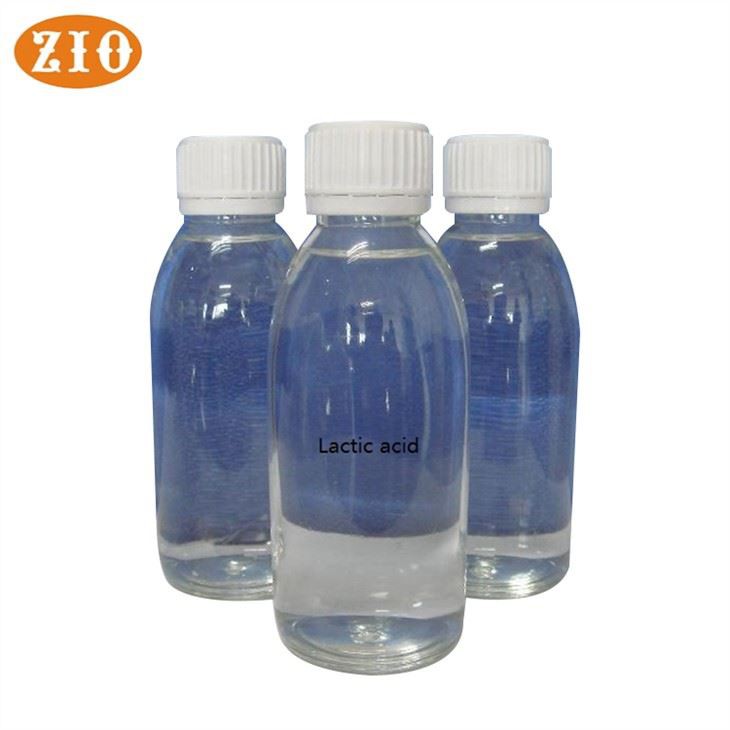
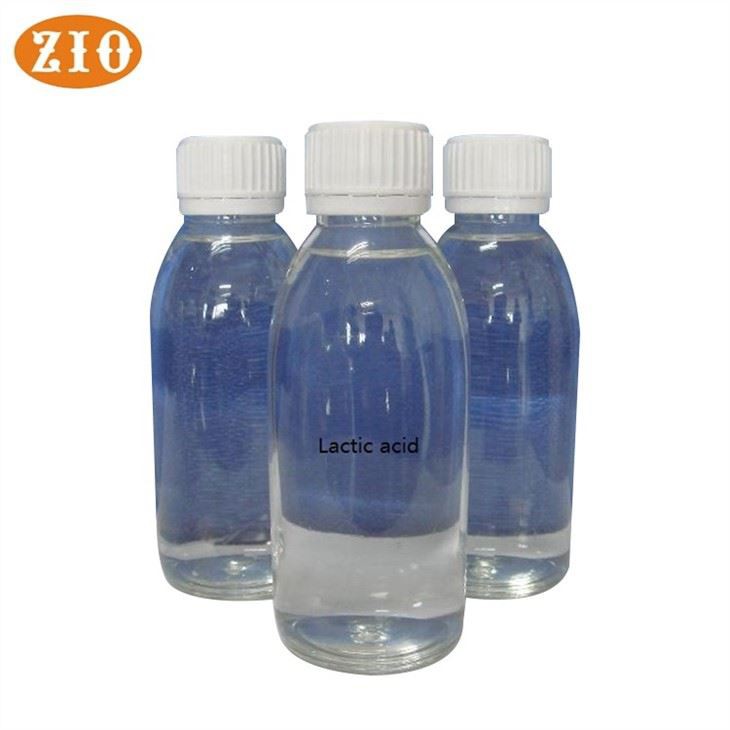
First things first, let's talk about lactic acid. It's a type of organic acid that occurs naturally. You can find it in various sources like fermented foods, and it's also produced in our bodies during exercise. There are different grades of lactic acid available, such as Cosmetics Grade Lactic Acid 80% Liquid, Lactic Acid Liquid CAS 50 21 5, and Lactic Acid Industrial Grade. For leather treatment, the industrial - grade lactic acid is often the go - to choice because of its cost - effectiveness and suitable chemical properties.
How Lactic Acid Treatment Works on Leather
pH Adjustment
Leather production involves a series of chemical processes, and pH control is crucial. Lactic acid is a great pH regulator. In the tanning process, the hide needs to be in a specific pH range for the tanning agents to work effectively. Lactic acid can be used to lower the pH of the solution in a controlled manner. When the pH is right, the tanning agents can penetrate the leather fibers more easily. This leads to a more uniform tanning, which in turn improves the overall quality of the leather.
Fiber Swelling and Softening
Lactic acid can cause the leather fibers to swell slightly. This swelling opens up the spaces between the fibers, allowing other chemicals and treatments to penetrate deeper. As a result, the leather becomes softer and more pliable. Softness is a highly desirable property in leather products, whether it's for making shoes, bags, or clothing. A softer leather not only feels better to the touch but also molds to the shape of the user more easily, providing a better fit and comfort.
Antimicrobial Properties
Leather is prone to microbial growth, especially in humid conditions. Microbes can cause the leather to deteriorate, develop an unpleasant odor, and even lead to structural damage. Lactic acid has natural antimicrobial properties. When used in leather treatment, it can inhibit the growth of bacteria, fungi, and other microorganisms. This helps to extend the lifespan of the leather and maintain its quality over time.
Specific Improvements in Leather Properties
Strength and Durability
The treatment with lactic acid enhances the strength of leather. By improving the tanning process and the interaction between the fibers, the leather becomes more resistant to tearing and abrasion. This is extremely important for leather products that are subjected to a lot of wear and tear, like work boots or heavy - duty bags. A stronger leather means the product will last longer, which is a huge selling point for both manufacturers and consumers.
Color and Appearance
Lactic acid can also have a positive impact on the color and appearance of leather. It helps to even out the color distribution during the dyeing process. Since it allows for better penetration of dyes, the color is more consistent throughout the leather. Additionally, it can enhance the luster of the leather, giving it a more attractive and high - quality look. Whether it's a rich, dark brown for a classic leather briefcase or a bright, bold color for a fashion accessory, lactic acid treatment can make the color more vibrant and long - lasting.
Breathability
Good breathability is an important property for leather, especially in products like shoes and clothing. Lactic acid treatment helps to maintain the natural porosity of the leather fibers. This allows air to circulate through the leather, preventing the build - up of moisture and heat. As a result, the wearer feels more comfortable, and the leather is less likely to develop a musty smell.
Real - World Applications
Footwear Industry
In the footwear industry, lactic acid - treated leather is highly sought after. The improved softness, strength, and breathability make it ideal for making shoes. Soft leather molds to the shape of the foot, providing a custom - like fit. The enhanced strength ensures that the shoes can withstand the daily wear and tear of walking and running. And the breathability keeps the feet dry and comfortable, reducing the risk of foot odor and fungal infections.
Fashion and Accessories
For fashion designers, lactic acid - treated leather offers a wide range of possibilities. The improved color and appearance make it perfect for creating stylish handbags, wallets, and belts. The softness and pliability allow for more intricate designs and shapes. Whether it's a sleek, modern design or a vintage - inspired piece, the high - quality leather treated with lactic acid can bring the designer's vision to life.
Furniture Upholstery
In the furniture industry, leather is a popular choice for upholstery. Lactic acid - treated leather is more durable and resistant to stains and scratches. Its antimicrobial properties also make it a hygienic option for furniture. The softness and comfort of the leather provide a luxurious seating experience, and the improved color and appearance add a touch of elegance to any room.
Why Choose Our Lactic Acid for Leather Treatment
We're a reliable lactic acid supplier, and our products are of the highest quality. Our industrial - grade lactic acid is carefully formulated to meet the specific needs of the leather industry. We ensure consistent quality in every batch, so you can expect the same great results every time you use our lactic acid for leather treatment.
Moreover, we offer competitive pricing and excellent customer service. Our team of experts is always ready to provide technical support and answer any questions you may have about using lactic acid in your leather production process. Whether you're a small - scale leather craftsman or a large - scale manufacturer, we can work with you to meet your requirements.
Let's Connect!
If you're interested in using lactic acid for leather treatment, I'd love to hear from you. Whether you have questions about our products, need samples, or want to discuss a potential partnership, don't hesitate to reach out. We're here to help you take your leather products to the next level.
References
- "The Chemistry of Leather Manufacture" by H. R. Carter
- "Leather Technology Handbook" by R. C. Shah
- Research papers on the use of organic acids in leather treatment from various scientific journals