

Hey there! As a supplier of L Tartaric Acid Powder, I'm super stoked to chat with you about how this nifty powder interacts with proteins. So, let's dive right in!
First off, what the heck is L Tartaric Acid Powder? Well, it's a natural, colorless, and crystalline substance. You can find L Tartaric Acid Powder in all sorts of fruits like grapes, bananas, and tamarinds. It's a popular choice in the food industry as an acidity regulator, and it's got some other cool applications too, such as being used in the cosmetic and pharmaceutical fields.
Now, onto proteins. Proteins are the building blocks of life. They're involved in just about every biological process in our bodies, from muscle growth to immune function. So, how does our L Tartaric Acid Powder play with these protein powerhouses?
Chemical Interactions
One of the main ways L Tartaric Acid Powder interacts with proteins is through chemical reactions. Proteins have a complex structure, made up of amino acids linked together by peptide bonds. These amino acids have different side chains, some of which are acidic, some basic, and some neutral.

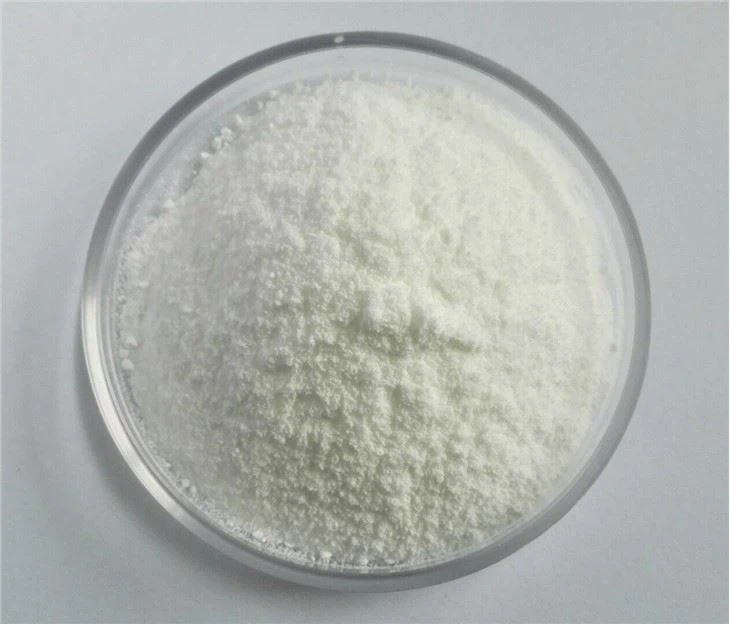
L Tartaric Acid is a dicarboxylic acid, which means it has two carboxyl groups (-COOH). These carboxyl groups can donate protons (H+ ions), making the acid acidic. When L Tartaric Acid comes into contact with proteins in an aqueous solution, it can lower the pH of the solution.
The change in pH affects the ionization state of the amino acid side chains in the protein. For example, basic amino acids like lysine and arginine have positively charged side chains at neutral pH. When the pH drops due to the addition of L Tartaric Acid, these side chains can become protonated, increasing their positive charge.
On the other hand, acidic amino acids like aspartic acid and glutamic acid have negatively charged side chains at neutral pH. As the pH decreases, these side chains may become protonated and lose their negative charge.
This alteration in the charge distribution of the protein can have a big impact on its structure and function. Proteins are held together by various forces, including electrostatic interactions, hydrogen bonds, and hydrophobic interactions. A change in the charge of the amino acid side chains can disrupt these forces, leading to changes in the protein's conformation.
Structural Changes
When the structure of a protein changes due to the interaction with L Tartaric Acid Powder, it can lead to either denaturation or aggregation. Denaturation is the process by which the protein loses its native structure and function. This can happen when the acid disrupts the non - covalent bonds that hold the protein in its proper shape.
For example, if you've ever seen an egg white turn from clear to white when you cook it, that's denaturation in action. The heat makes the proteins in the egg white unfold and clump together. Similarly, when L Tartaric Acid interacts with proteins, it can cause the proteins to unfold and lose their solubility in water.
Aggregation occurs when the denatured proteins stick together to form larger complexes. This can be beneficial in some cases, like in the food industry. For example, in the production of cheese, the aggregation of milk proteins is an important step in the curdling process. L Tartaric Acid can be used to adjust the pH of the milk, promoting the aggregation of casein proteins and helping to form the curds.
Functional Implications
The interaction between L Tartaric Acid Powder and proteins can have significant functional implications. In the food industry, it can affect the texture, flavor, and shelf - life of products. For instance, in the production of baked goods, the addition of L Tartaric Acid can interact with the gluten proteins in flour. This interaction can affect the dough's elasticity and the final texture of the bread or cake.
In the pharmaceutical industry, understanding how L Tartaric Acid interacts with proteins is crucial for drug formulation. Many drugs are proteins or interact with proteins in the body. By using L Tartaric Acid to control the pH of drug formulations, manufacturers can ensure the stability and efficacy of the drugs.
Food - grade Applications
If you're in the food business, you might be interested in Antioxidant Food Grade Tartaric Acid Powder. This type of powder, which is derived from L Tartaric Acid, can be used not only to adjust the acidity of food products but also to act as an antioxidant.
As an antioxidant, it can help prevent the oxidation of proteins in food. Oxidation of proteins can lead to off - flavors, discoloration, and a decrease in nutritional value. By adding food - grade L Tartaric Acid Powder, you can extend the shelf - life of your products and maintain their quality.
Other Forms of Tartaric Acid
It's also worth mentioning D Tartaric Acid Food Grade. While L Tartaric Acid is the naturally occurring form, D Tartaric Acid is its mirror image (enantiomer). Both forms have similar chemical properties but can have different effects on proteins due to the way they interact with the chiral centers in the amino acids.
In some cases, the choice between L and D Tartaric Acid can depend on the specific application. For example, in certain enzymatic reactions, the enzyme may be more selective towards one enantiomer over the other.
Conclusion
So, there you have it! L Tartaric Acid Powder has some pretty fascinating interactions with proteins. Whether you're in the food, cosmetic, or pharmaceutical industry, understanding these interactions can help you make better use of this versatile powder.
If you're interested in purchasing L Tartaric Acid Powder for your business, don't hesitate to reach out. We're here to provide high - quality products and answer any questions you may have. Let's start a conversation and see how we can work together to take your products to the next level!
References
- Berg, J. M., Tymoczko, J. L., & Stryer, L. (2002). Biochemistry (Fifth ed.). W. H. Freeman and Company.
- Fennema, O. R. (1996). Food Chemistry (3rd ed.). Marcel Dekker, Inc.
- Damodaran, S., Parkin, K. L., & Fennema, O. R. (2007). Fennema's Food Chemistry (4th ed.). CRC Press.