

When it comes to food applications, acidity regulators play a crucial role in enhancing flavor, preserving freshness, and maintaining the overall quality of food products. Two commonly used acidity regulators are DL Malic Acid Powder and citric acid. As a supplier of DL Malic Acid Powder, I am often asked about how it compares with citric acid in food applications. In this blog post, I will delve into the characteristics, advantages, and applications of both substances to provide a comprehensive comparison.
Chemical Properties and Sources
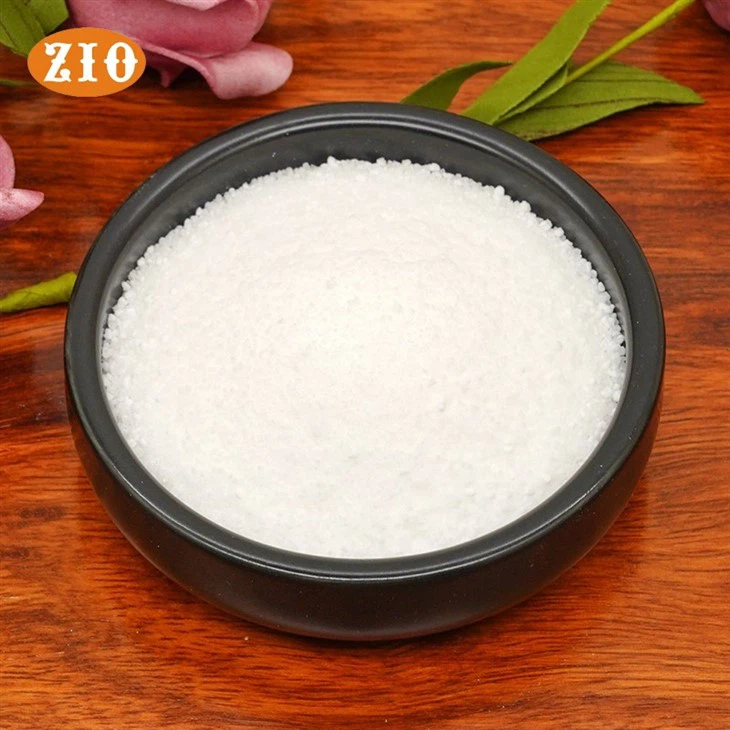
DL Malic Acid is a dicarboxylic acid with the chemical formula C₄H₆O₅. It exists in two forms: L - malic acid, which is the naturally occurring form found in many fruits such as apples, and DL - malic acid, which is a racemic mixture of the L - and D - forms. DL Malic Acid can be produced synthetically through chemical processes. You can find more information about DL Malic Acid Powder on our website DL Malic Acid Powder.
Citric acid, on the other hand, has the chemical formula C₆H₈O₇. It is a weak organic acid that is widely distributed in nature, especially in citrus fruits like lemons and oranges. Commercially, citric acid is usually produced by fermentation of carbohydrates using certain strains of Aspergillus niger.
Flavor Profile
One of the most significant differences between DL Malic Acid Powder and citric acid lies in their flavor profiles. DL Malic Acid has a smooth, long - lasting sour taste. It can provide a more intense and lingering sourness compared to citric acid. This makes it particularly suitable for applications where a strong and persistent acidic flavor is desired. For example, in fruit - flavored candies, DL Malic Acid can enhance the fruitiness and give a more authentic taste.
Citric acid, in contrast, has a sharp, clean, and somewhat refreshing sour taste. It is often associated with the characteristic flavor of citrus fruits. In beverages, especially citrus - flavored drinks, citric acid is a popular choice as it can mimic the natural acidity of citrus fruits and provide a bright, zesty flavor.
Acid Strength and Buffering Capacity
In terms of acid strength, DL Malic Acid is a stronger acid than citric acid. The pKa values of DL Malic Acid are approximately 3.40 and 5.11, while those of citric acid are 3.13, 4.76, and 6.40. This means that DL Malic Acid can lower the pH of a solution more effectively than citric acid at the same concentration.
However, citric acid has a better buffering capacity. A buffer is a solution that resists changes in pH when small amounts of acid or base are added. In food systems, this buffering ability can be beneficial as it helps to maintain a stable pH, which is important for the quality and stability of the product. For example, in some dairy products, the buffering capacity of citric acid can prevent rapid changes in pH during processing and storage, thus preserving the texture and flavor of the product.
Solubility and Stability
Both DL Malic Acid Powder and citric acid are highly soluble in water. However, DL Malic Acid has a higher solubility at lower temperatures compared to citric acid. This property makes DL Malic Acid more suitable for applications where the product is stored or used at low temperatures, such as in some chilled beverages or frozen desserts.
In terms of stability, both acids are relatively stable under normal storage conditions. However, citric acid can form complexes with metal ions, which may affect the color and flavor of some food products. DL Malic Acid is less likely to form such complexes, making it a better choice in applications where metal ion interactions need to be minimized, such as in some canned fruits and vegetables.
Food Applications
Beverages
In the beverage industry, both DL Malic Acid Powder and citric acid are widely used. As mentioned earlier, citric acid is commonly used in citrus - flavored carbonated drinks, juices, and sports drinks to provide a refreshing acidic flavor. Its bright and zesty taste complements the natural flavor of citrus fruits.
DL Malic Acid, on the other hand, is often used in non - citrus fruit - flavored beverages, such as apple, cherry, and grape drinks. Its smooth and long - lasting sourness can enhance the fruit flavor and provide a more intense taste experience. Additionally, due to its better solubility at low temperatures, DL Malic Acid is also suitable for chilled and frozen beverages. You can learn more about the use of malic acid in beverages from our Natural Malic Acid CAS 6915 15 7 product page.
Confectionery
In the confectionery industry, DL Malic Acid is a popular choice for sour candies. Its strong and persistent sour taste can create a more intense sour experience for consumers. It can also be used in combination with other sweeteners to balance the flavor of the candies.
Citric acid is also used in confectionery, especially in hard candies and gummies. It can provide a clean and refreshing sour note, and its buffering capacity can help to maintain the stability of the product during storage.
Dairy Products
In dairy products, citric acid is often used as an acidulant and a buffering agent. It can be used to adjust the pH of yogurt, cheese, and other dairy products, which is important for the coagulation process and the development of flavor.
DL Malic Acid can also be used in dairy products, especially in some fruit - flavored yogurts and desserts. Its ability to enhance fruit flavor can make the dairy products more appealing to consumers.

Canned and Processed Foods
In canned and processed foods, both acids are used as preservatives and flavor enhancers. Citric acid can help to prevent the growth of microorganisms and maintain the freshness of the products. DL Malic Acid, with its lower tendency to form metal complexes, is a better choice for canned fruits and vegetables, where it can help to preserve the color and flavor of the produce. You can find more information about food - grade malic acid for canned foods on our Food Grade Acid Regulator Malic Acid page.
Conclusion
In conclusion, both DL Malic Acid Powder and citric acid have their own unique characteristics and advantages in food applications. DL Malic Acid offers a smooth, long - lasting sour taste, high solubility at low temperatures, and less metal ion interaction. It is particularly suitable for non - citrus fruit - flavored products, chilled and frozen foods, and applications where metal ion complexes need to be avoided.
Citric acid, on the other hand, provides a sharp, clean, and refreshing sour taste, good buffering capacity, and is well - known for its use in citrus - flavored products and dairy applications.
As a supplier of DL Malic Acid Powder, I understand the importance of choosing the right acidity regulator for your food products. Whether you are looking for a strong and persistent sour flavor or a stable pH - controlling agent, we can provide you with high - quality DL Malic Acid Powder to meet your specific needs. If you are interested in learning more about our products or would like to discuss your food application requirements, please feel free to contact us for a procurement negotiation.
References
- Belitz, H. D., Grosch, W., & Schieberle, P. (2009). Food Chemistry. Springer.
- Fellows, P. J. (2009). Food Processing Technology: Principles and Practice. CRC Press.
- Nollet, L. M. L., & Toldrá, F. (Eds.). (2012). Handbook of Food Analysis. Springer.