

Hey there! As a Calcium Propionate supplier, I often get asked about the storage conditions for this nifty product. So, I thought I'd take the time to break it all down for you in this blog post.
First off, let's talk a bit about what Calcium Propionate is. It's a widely used food preservative, and you can find more details about our Calcium Propionate E282 Food Grade on our website. It helps to prevent the growth of mold, bacteria, and fungi in various food products, which is super important for keeping food fresh and safe to eat. We also offer Calcium Propionate CAS 4075 81 4, which is another form of this useful preservative.
Now, onto the main topic: storage conditions. The first thing to keep in mind is that Calcium Propionate should be stored in a cool, dry place. High temperatures and humidity can have a negative impact on its quality. If it gets too hot, the chemical properties of Calcium Propionate might change, and it won't work as effectively as a preservative. So, aim for a storage area where the temperature is relatively stable, ideally between 10°C and 30°C (50°F and 86°F).

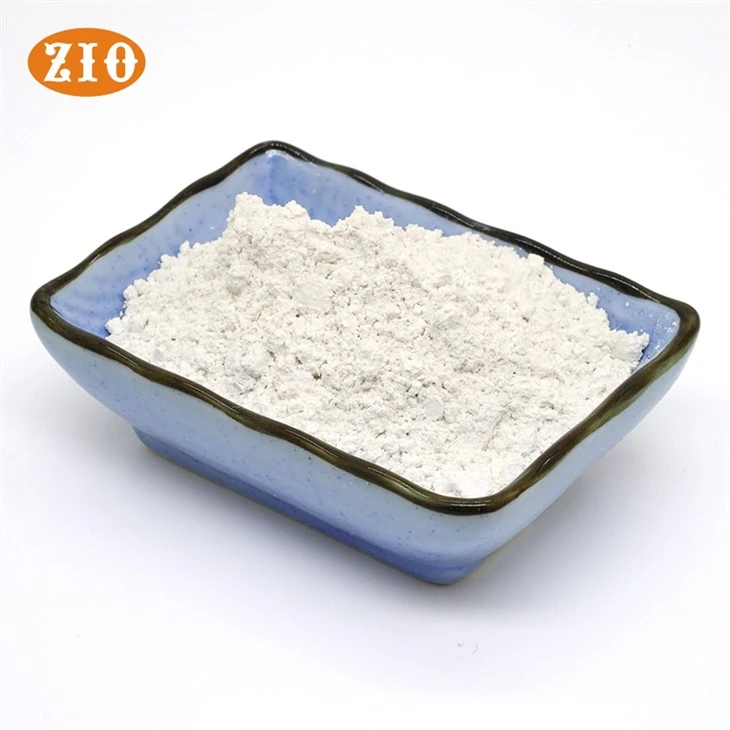
Humidity is also a big no - no. Excess moisture can cause the Calcium Propionate to clump together. Once it clumps, it becomes difficult to measure accurately when you're using it in food production. A humidity level of less than 60% is recommended. You can use a dehumidifier in the storage area if the natural humidity in your location is high.
Another important point is to store Calcium Propionate away from direct sunlight. Sunlight can break down the chemical structure of the product over time. This means that if you're storing it in a warehouse or a storage room, make sure the windows are covered or the product is placed in a shaded area.
It's also crucial to keep Calcium Propionate away from strong oxidizing agents, acids, and alkalis. These substances can react with Calcium Propionate and render it useless. For example, if it comes into contact with a strong acid, it might undergo a chemical reaction that changes its composition. So, when you're organizing your storage space, make sure to separate Calcium Propionate from these types of chemicals.
When it comes to packaging, the original packaging of Calcium Propionate is designed to protect it. Keep it in the sealed container it came in until you're ready to use it. Once you've opened the package, try to use it up as soon as possible. If you can't use it all at once, make sure to reseal the container tightly to prevent air and moisture from getting in.
Now, let's talk about long - term storage. If you're planning to store Calcium Propionate for an extended period, it's a good idea to check on it regularly. Look for any signs of clumping, discoloration, or an unusual smell. If you notice any of these things, it might be a sign that the product has been affected by the storage conditions and might not be as effective.
In addition to proper storage, it's also important to handle Calcium Propionate with care. When you're transferring it from one container to another, use clean and dry equipment. Contaminants can also affect its quality.
We also offer Calcium Carbonate For Food, which is often used in conjunction with Calcium Propionate in some food applications. If you're using both products, make sure to store them separately but under similar conditions.
So, to sum it all up, store Calcium Propionate in a cool (10°C - 30°C), dry (humidity < 60%) place, away from direct sunlight, strong oxidizing agents, acids, and alkalis. Keep it in its original sealed container and handle it with care.
If you're in the market for high - quality Calcium Propionate and want to learn more about our products or discuss your specific needs, don't hesitate to reach out. We're here to help you ensure that your food products stay fresh and safe with the right preservatives. Whether you're a small - scale food producer or a large - scale manufacturer, we've got the solutions for you.
References
- General knowledge of food preservative storage from industry experience.
- Chemical properties and handling guidelines of Calcium Propionate from scientific literature.