

Hey there! As a xylitol supplier, I often get asked all sorts of questions about this amazing sweetener. One question that's popped up a few times lately is, "Can xylitol be used in bird food?" Well, let's dig into this topic and find out.
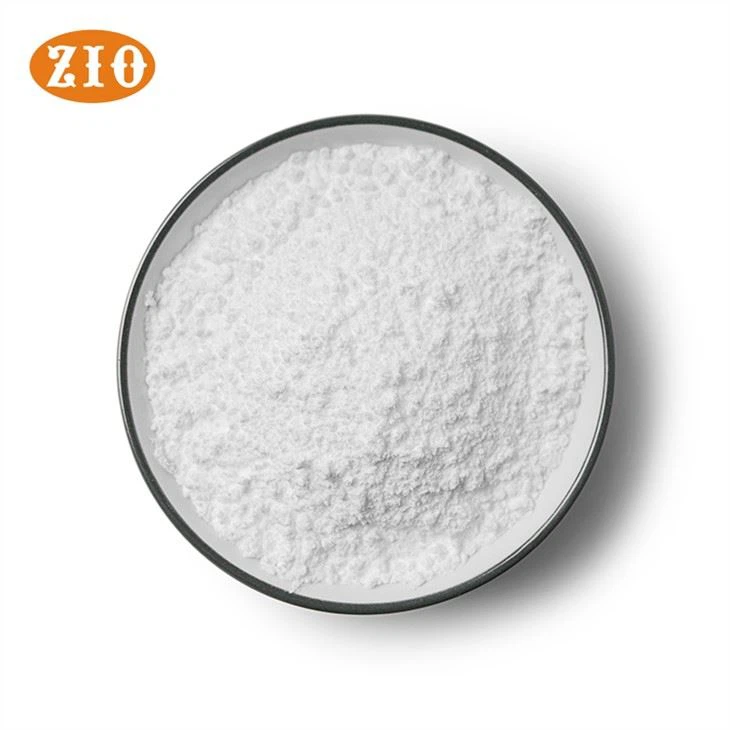
First off, let's talk a bit about xylitol. Xylitol is a natural sweetener that's found in many fruits and vegetables. It has a sweet taste similar to sugar, but with fewer calories. It's also been known to have some health benefits, like helping to prevent tooth decay. We offer different xylitol products like Bulk Sweetener Xylitol Food Grade, Nutritional Sugar Xylitol Powder, and Sweeteners Healthy Xylitol Natural. These are high - quality options that are suitable for various food applications.
Now, when it comes to using xylitol in bird food, we need to look at it from a few different angles.
The Safety Aspect
One of the most important things to consider is whether xylitol is safe for birds. In humans and many other animals, xylitol is generally recognized as safe. It's used in a wide range of products, from chewing gum to baked goods. However, the situation is quite different for dogs. Xylitol can be extremely toxic to dogs, causing a rapid release of insulin, which can lead to hypoglycemia (low blood sugar), and in severe cases, liver failure.
But what about birds? There isn't a whole lot of extensive research on the effects of xylitol on birds. Birds have a different digestive system compared to mammals. Their metabolism and the way they process food are unique. Some birds have a very high - energy diet, mainly consisting of seeds, insects, and fruits.
We do know that birds have a sensitive digestive tract. Introducing new substances can sometimes upset their delicate balance. Xylitol, being a sugar - alcohol, might have an impact on their gut flora. In some animals, sugar - alcohols can cause digestive issues like diarrhea and gas. For birds, these issues could be more serious as they need to maintain a stable digestive system to extract the maximum amount of nutrients from their food.
Nutritional Value
Another factor to consider is the nutritional value of xylitol for birds. Birds need a balanced diet that provides them with the right amount of proteins, carbohydrates, fats, vitamins, and minerals. While xylitol is a source of energy, it doesn't offer the same comprehensive nutritional profile as the natural foods that birds typically eat.
For example, seeds are a staple in many bird diets. They are rich in healthy fats, proteins, and various vitamins and minerals. Fruits, on the other hand, provide vitamins, antioxidants, and natural sugars. Xylitol, while sweet, doesn't have these additional nutrients. So, if xylitol is used in large amounts in bird food, it might end up displacing more nutritious ingredients.
Palatability
Palatability is also an important aspect. Birds have their own preferences when it comes to food. Some birds are very picky eaters, while others are more adaptable. We don't really know if birds will find xylitol - flavored food appealing. They are used to the natural flavors of their wild diet. Adding xylitol might change the taste of the bird food in a way that the birds don't like.
If the birds don't eat the food, then using xylitol in it becomes pointless. On the other hand, if they do eat it, we need to make sure it's not causing any harm.
Potential Benefits
Despite the concerns, there could be some potential benefits to using xylitol in bird food. For one, xylitol has a lower glycemic index compared to regular sugar. This means that it causes a slower rise in blood sugar levels. If birds can tolerate xylitol, it could be a better option than adding regular sugar to their food, especially for birds that are at risk of developing diabetes - like conditions (although this is rare in birds).
Also, xylitol has some antibacterial properties. It could potentially help in keeping the bird's food fresh for a longer time and might even have some positive effects on the bird's oral health, similar to what it does in humans.
What the Experts Say
As I mentioned earlier, there isn't a whole lot of research on this topic. But some avian veterinarians and bird experts suggest that it's best to err on the side of caution. They recommend sticking to the natural diet of birds as much as possible. If you're thinking about using xylitol in bird food, it's a good idea to consult with an avian specialist first.
Our Recommendation
As a xylitol supplier, I would say that at this point, it's not advisable to use xylitol in bird food on a large - scale basis. If you're really interested in trying it out, you could do a small - scale test. Start with a very small amount of xylitol in the bird food and observe the birds closely for any signs of discomfort or changes in behavior.
If you notice any negative effects, like the birds not eating the food, diarrhea, or lethargy, stop using xylitol immediately. And always keep in mind that the well - being of the birds should be your top priority.
Conclusion
So, can xylitol be used in bird food? The answer is not a straightforward yes or no. There are many factors to consider, including safety, nutritional value, palatability, and potential benefits. While there could be some potential upsides, the lack of research and the potential risks mean that it's a decision that should be made with great care.
If you have any more questions about xylitol or are interested in our xylitol products for other food applications, feel free to reach out. We're always happy to help and have in - depth discussions about the best uses of our products. Whether you're a food manufacturer looking for a high - quality sweetener or just someone curious about xylitol, we're here to assist you. Contact us to start a procurement discussion and find out how xylitol can fit into your needs.

References
- "Avian Medicine: Principles and Application" by Ritchie, Harrison, and Harrison.
- Various studies on the effects of sugar - alcohols on animal digestion.
- Personal consultations with avian veterinarians.