

Can malic acid be used in the production of infant foods?
As a supplier of malic acid, I often encounter inquiries about its various applications, and one question that frequently arises is whether malic acid can be used in the production of infant foods. This is a topic of great significance, as the safety and nutritional value of infant food are of utmost concern to parents and the food industry alike. In this blog post, I will delve into the scientific aspects of using malic acid in infant foods, exploring its properties, safety, and regulatory considerations.
Understanding Malic Acid
Malic acid is a naturally occurring organic acid that is found in many fruits and vegetables, such as apples, cherries, and grapes. It is widely used in the food industry as an acidulant, flavor enhancer, and preservative. There are two forms of malic acid: L-malic acid, which is the naturally occurring form, and D-malic acid, which is the synthetic form. In the food industry, L-malic acid is the preferred form due to its natural origin and better taste profile.
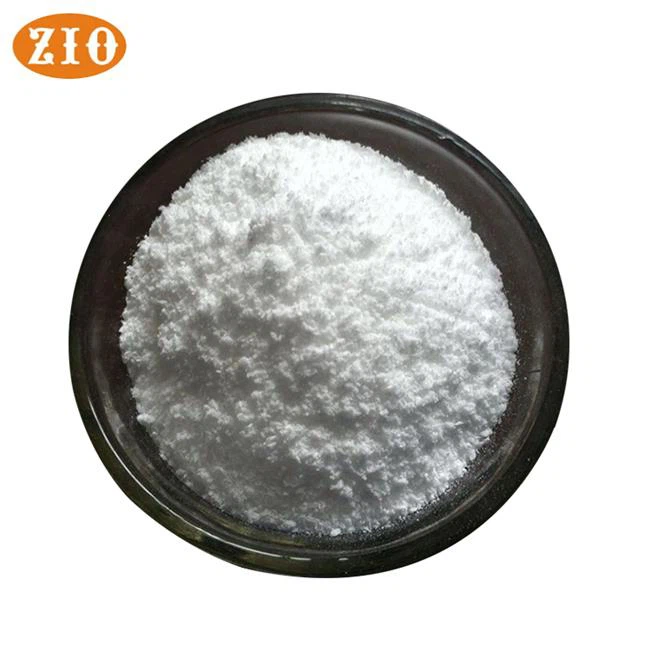
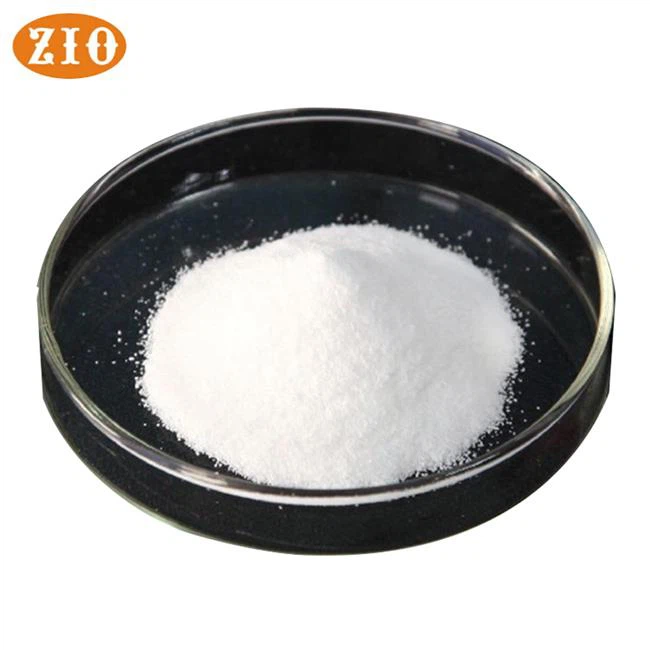
We offer high-quality Natural L-malic Acid Food Grade Powder, Natural Malic Acid CAS 6915 15 7, and L Malic Acid Food Grade, which are suitable for a wide range of food applications.
Safety of Malic Acid in Infant Foods
The safety of using malic acid in infant foods is a critical consideration. According to the Joint FAO/WHO Expert Committee on Food Additives (JECFA), malic acid is generally recognized as safe (GRAS) for use in food. The acceptable daily intake (ADI) of malic acid has been established at 0 - 50 mg/kg body weight per day. This means that within this limit, malic acid is considered safe for consumption by humans, including infants.
However, it is important to note that infants have a more delicate digestive system compared to adults. Therefore, the use of malic acid in infant foods should be carefully regulated. The concentration of malic acid in infant foods should be kept at a level that is safe and appropriate for their age and development. In addition, the source of malic acid should be of high quality and free from contaminants.
Regulatory Considerations
In different countries and regions, there are specific regulations regarding the use of food additives, including malic acid, in infant foods. For example, in the European Union, the use of food additives in infant foods is strictly regulated by the European Food Safety Authority (EFSA). The EFSA has established a list of approved food additives for use in infant foods, and malic acid is included in this list. However, the maximum allowable levels of malic acid in infant foods are specified to ensure the safety of infants.
In the United States, the Food and Drug Administration (FDA) also regulates the use of food additives in infant foods. The FDA has a GRAS list, and malic acid is considered GRAS for use in food. However, the FDA also requires that food manufacturers follow good manufacturing practices (GMP) to ensure the safety and quality of their products.
Benefits of Using Malic Acid in Infant Foods
When used appropriately, malic acid can offer several benefits in the production of infant foods. Firstly, malic acid can act as an acidulant, helping to adjust the pH of the food. This can improve the stability and shelf life of the product, as well as enhance its flavor. Secondly, malic acid can enhance the taste of infant foods, making them more appealing to infants. This can be particularly important for infants who are starting to develop their taste preferences.
In addition, malic acid is a natural ingredient that can provide some nutritional value. It is involved in the citric acid cycle, which is an important metabolic pathway in the body. Therefore, a small amount of malic acid in infant foods may contribute to the overall health and development of infants.
Challenges and Considerations
While malic acid has its benefits, there are also some challenges and considerations when using it in infant foods. One of the main challenges is to ensure that the concentration of malic acid is within the safe limit. This requires careful testing and quality control during the production process. Another challenge is to ensure that the addition of malic acid does not affect the nutritional balance of the infant food. Infant foods are designed to provide all the necessary nutrients for the growth and development of infants, and any addition of food additives should not compromise this balance.
In addition, the sensory properties of infant foods are also important. The addition of malic acid may change the taste, texture, and appearance of the food. Therefore, food manufacturers need to conduct sensory evaluations to ensure that the final product meets the expectations of infants and their parents.
Conclusion
In conclusion, malic acid can be used in the production of infant foods, but it should be used with caution. The safety of malic acid in infant foods has been established by international organizations such as JECFA, but the use of malic acid should comply with the relevant regulations in different countries and regions. When used appropriately, malic acid can offer some benefits in terms of taste, stability, and nutritional value. However, food manufacturers need to address the challenges and considerations associated with its use, such as ensuring the safety limit, maintaining the nutritional balance, and considering the sensory properties of the product.
As a malic acid supplier, we are committed to providing high-quality malic acid products that meet the strictest safety and quality standards. If you are interested in using malic acid in the production of infant foods or have any questions about our products, please feel free to contact us for further discussion and procurement negotiation.
References
- Joint FAO/WHO Expert Committee on Food Additives (JECFA). Evaluation of certain food additives and contaminants. WHO Food Additives Series.
- European Food Safety Authority (EFSA). Scientific opinions on food additives.
- Food and Drug Administration (FDA). Code of Federal Regulations (CFR) Title 21.