

In the dynamic landscape of sports nutrition, formulating the perfect sports drink is a blend of art and science. Sports drinks are designed to replenish fluids, electrolytes, and energy during physical activity, enhancing performance and aiding in recovery. As a leading supplier of L Lactic Acid Powder, I'm often asked about its suitability for sports drink production. In this blog, we'll delve into the science behind L Lactic Acid Powder and explore its potential applications in sports drinks.
Understanding L Lactic Acid
L Lactic acid is a naturally occurring organic acid produced during anaerobic metabolism in the human body. It plays a crucial role in energy production, particularly during high - intensity exercise when the demand for energy exceeds the oxygen supply. This acid is also found in various food products, such as yogurt, sauerkraut, and pickles, where it contributes to flavor and preservation.
L Lactic Acid Powder is a concentrated form of lactic acid, which offers several advantages over its liquid counterparts. It is easier to handle, store, and transport, making it a convenient option for manufacturers. Moreover, it provides a consistent and precise dosage, ensuring the quality and stability of the final product.
The Role of Lactic Acid in Sports Drinks
1. Acidification and Flavor Enhancement
One of the primary functions of lactic acid in sports drinks is acidification. It helps to lower the pH of the beverage, which not only improves its flavor but also enhances its shelf - life. A slightly acidic environment can inhibit the growth of microorganisms, reducing the risk of spoilage.
Lactic acid imparts a mild, tangy flavor that is well - tolerated by consumers. It can be used in combination with other acids, such as citric acid or malic acid, to create a balanced and refreshing taste profile. This is particularly important in sports drinks, where taste can significantly influence consumer acceptance and consumption.
2. Electrolyte Balance
During exercise, the body loses electrolytes through sweat. Maintaining proper electrolyte balance is essential for muscle function, hydration, and overall performance. Lactic acid can play a role in this process by interacting with electrolytes in the drink.
It can form complexes with certain minerals, such as calcium and magnesium, which may enhance their solubility and bioavailability. This means that the body can more easily absorb and utilize these electrolytes, helping to prevent muscle cramps and fatigue.
3. Energy Metabolism
As mentioned earlier, lactic acid is involved in energy production during exercise. In sports drinks, L Lactic Acid Powder can potentially serve as an additional energy source. When consumed, it can be converted back into pyruvate, which can then enter the mitochondria to produce ATP (adenosine triphosphate), the body's primary energy currency.
This can be particularly beneficial for athletes engaged in long - duration or high - intensity activities, as it can help to delay the onset of fatigue and improve endurance.

Safety and Regulatory Considerations
Before using L Lactic Acid Powder in sports drinks, it is crucial to ensure its safety and compliance with relevant regulations. Lactic acid is generally recognized as safe (GRAS) by the U.S. Food and Drug Administration (FDA) and is widely used in the food and beverage industry.
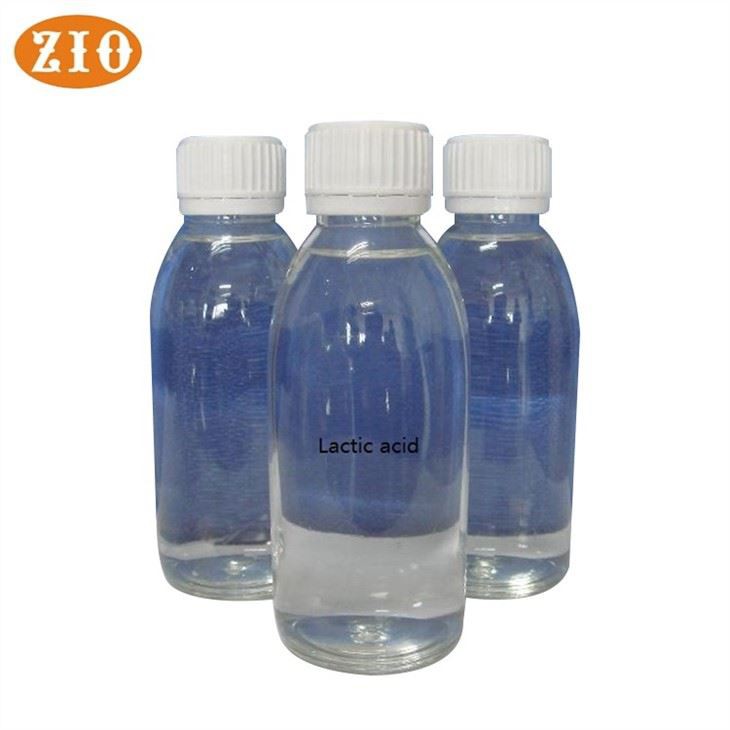
However, it is important to use the appropriate grade of lactic acid for food applications. As a supplier, we offer high - quality Cosmetics Grade Lactic Acid 80% Liquid, Lactic Acid Industrial Grade, and Lactic Acid Liquid CAS 50 21 5, but for sports drink production, food - grade L Lactic Acid Powder should be selected.
Manufacturers should also adhere to Good Manufacturing Practices (GMP) to ensure the quality and safety of the final product. This includes proper handling, storage, and processing of the lactic acid powder.
Case Studies and Research Findings
Several studies have explored the use of lactic acid in sports nutrition. For example, a research project investigated the effects of a sports drink containing lactic acid on exercise performance. The study found that athletes who consumed the lactic acid - enriched sports drink had improved endurance and reduced fatigue compared to those who consumed a placebo drink.
Another case study focused on the flavor and stability of sports drinks with lactic acid. The results showed that the addition of lactic acid improved the taste of the beverage and extended its shelf - life, making it a more attractive option for consumers.
Challenges and Limitations
While L Lactic Acid Powder has many potential benefits for sports drink production, there are also some challenges and limitations to consider.
1. Taste Perception
Although lactic acid can enhance flavor, some consumers may have a preference for other acidulants or flavor profiles. It is important to conduct sensory evaluations to ensure that the addition of lactic acid does not negatively impact the taste of the sports drink.
2. Compatibility with Other Ingredients
Lactic acid may interact with other ingredients in the sports drink formulation, such as proteins or vitamins. These interactions can affect the stability and functionality of the product. Therefore, careful formulation and testing are required to ensure compatibility.
3. Cost
The cost of L Lactic Acid Powder can be a factor for some manufacturers. However, when considering its benefits in terms of flavor, stability, and performance, it may offer good value for money in the long run.
Conclusion
In conclusion, L Lactic Acid Powder has significant potential for use in the production of sports drinks. Its ability to acidify the beverage, enhance flavor, support electrolyte balance, and contribute to energy metabolism makes it a valuable ingredient.
As a supplier of high - quality L Lactic Acid Powder, we are committed to providing our customers with the best products and technical support. If you are interested in incorporating L Lactic Acid Powder into your sports drink formulations, we would be delighted to discuss your specific needs and requirements. Contact us to start a procurement discussion and explore how our products can help you create innovative and effective sports drinks.
References
- American Chemical Society. (20XX). "The Role of Organic Acids in Food and Beverage Preservation." Journal of Food Chemistry.
- International Society of Sports Nutrition. (20XX). "Nutritional Strategies for Endurance Athletes." Sports Nutrition Review.
- U.S. Food and Drug Administration. (20XX). "Generally Recognized as Safe (GRAS) Substances." Federal Register.