

If you've ever bitten into a crisp, tart green apple, sipped a bright lemonade, or crunched on a tangy sour candy, you've tasted malic acid-one of the most abundant natural acids in the plant world, and a workhorse in the food and beverage industry as well. As a malic acid supplier, I get asked this question all the time: "Where does malic acid occur naturally?" It's not just a trivial fact-understanding its natural sources explains why it's such a reliable, familiar ingredient in everything from fresh produce to packaged goods, and why it's been a go-to acidity regulator for food manufacturers for decades. Let's break down the science, the plants that hold it, and how that natural heritage ties to the high-quality malic acid products we offer for food and beverage use.
First, let's start with the basics: malic acid is an organic compound, classified as a dicarboxylic acid, with the chemical formula C4H6O5. Its name actually comes from the Latin word for apple, malum- a nod to its most iconic and abundant natural source. But apples aren't the only place it hides; this acid is present in almost every living organism, from microorganisms to humans, because it plays a key role in the Krebs cycle (the process cells use to turn food into energy). For our purposes, though, the natural malic acid relevant to food and consumer products comes primarily from plants, where it acts as a flavor molecule, a pH regulator, and even a defense mechanism for many fruits and vegetables.
Let's start with the king of malic acid sources: pome fruits. Apples, pears, quince, and crabapples all store high levels of malic acid in their cellular vacuoles-those little compartments in plant cells that hold sugars, acids, and other flavor compounds. Green apples, in particular, have the highest concentration of any common apple variety: studies show Granny Smith apples can have up to 1.5 grams of malic acid per 100 grams of fresh fruit, which is why that crisp, tangy bite is so unmistakable. Even ripe apples still have malic acid, though as apples ripen, some of the acid converts to sugar, so the sharpness softens. Pears follow a similar pattern, with unripe pears boasting even higher malic acid levels than ripe ones, which is why a underripe pear can have that bright, tart kick.
Moving beyond apples, stone fruits are another major natural source of malic acid. Cherries, peaches, plums, apricots, and nectarines all rely on malic acid for their flavor profile. Sour cherries, used in pies and jams, have especially high malic acid content- around 1.2 grams per 100 grams, making them far tarter than sweet cherries, which have more sugar and less acid. Even citrus fruits, which are famous for citric acid, contain significant amounts of malic acid too. Lemons, limes, and oranges have a mix of acids: about 5-6% citric acid and 1-2% malic acid in their juice, which adds complexity to their flavor, rather than just a one-note tang. That's why a fresh lemonade made with real lemons tastes brighter than a drink with only added citric acid; the malic acid rounds out the flavor.
But malic acid isn't just in fruits. It's present in a wide range of other plant-based foods that make regular appearances in our diets. Grapes, for example, are a big source-they contain malic acid, which is critical for winemaking. During fermentation, winemakers often adjust malic acid levels (a process called malolactic fermentation) to soften the harshness of young wines, and the natural malic acid from grapes gives white wines their crispness and red wines their depth. Tomatoes, too, have malic acid, along with citric acid, which contributes to their savory, slightly tangy flavor. Even leafy greens like spinach and kale have small amounts of malic acid, though it's not the primary flavor molecule there-its role is more about cellular function than taste in these vegetables.
What about other natural sources? You might be surprised to find malic acid in things like rhubarb, where it's the main acid (around 1 gram per 100 grams of rhubarb stalks), giving that distinctive tartness that pairs so well with sugar in pies and sauces. And some berries, like raspberries, strawberries, and blackberries, have malic acid as well, though again, it's mixed with other acids to create their unique flavors. Even nuts and seeds have trace amounts of malic acid, but those are too small to contribute to flavor-they're there for the plant's metabolic processes.
Now, why does this natural prevalence matter for anyone using malic acid in food and beverage products? As a supplier, I can tell you that consumers increasingly want ingredients they recognize, and malic acid's natural occurrence in common fruits means it's a label-friendly option. But we don't just rely on natural extraction for our malic acid products-most food-grade malic acid sold today is produced through microbial fermentation, which replicates the natural malic acid produced by bacteria like Corynebacterium glutamicum. That process creates two forms of malic acid: L-malic acid, which is the natural form found in plants, and DL-malic acid, a racemic mixture of L and D forms. Both are safe for food use, and each has its own applications.
If you're a beverage manufacturer, for example, you might be looking for a consistent acidity regulator that delivers a bright, long-lasting tartness without the harsh bite of some other acids. Our Malic Acid (Food Grade, Beverage) product, available here, is formulated specifically for that use. It balances perfectly with fruit flavors, extends the shelf life of drinks by stabilizing pH, and is a clean-label option that aligns with consumer demand for familiar ingredients. For seasoning mixes, instant foods, or snacks, our DL-Malic Acid Powder-found here-has a slightly different flavor profile that works well in dry applications, since it dissolves easily and maintains acidity in low-moisture environments.
For applications that need the natural L-form, our L Malic Acid Food Grade is ideal. Since L-malic acid is identical to the form found in apples, grapes, and other plants, it's a great choice for products marketed as "natural" or "made with real fruit flavors." And for anyone just looking for a versatile, high-quality food-grade acid regulator, our Food Grade Acid Regulator Malic Acid is a reliable option that meets strict food safety standards around the world. If you're working in the seasoning industry, our DL-Malic Acid (Food Grade, Seasoning & Instant Food) is tailored to handle the specific needs of dry mixes, instant soups, and savory snacks, where consistent acidity is key to flavor and product stability.
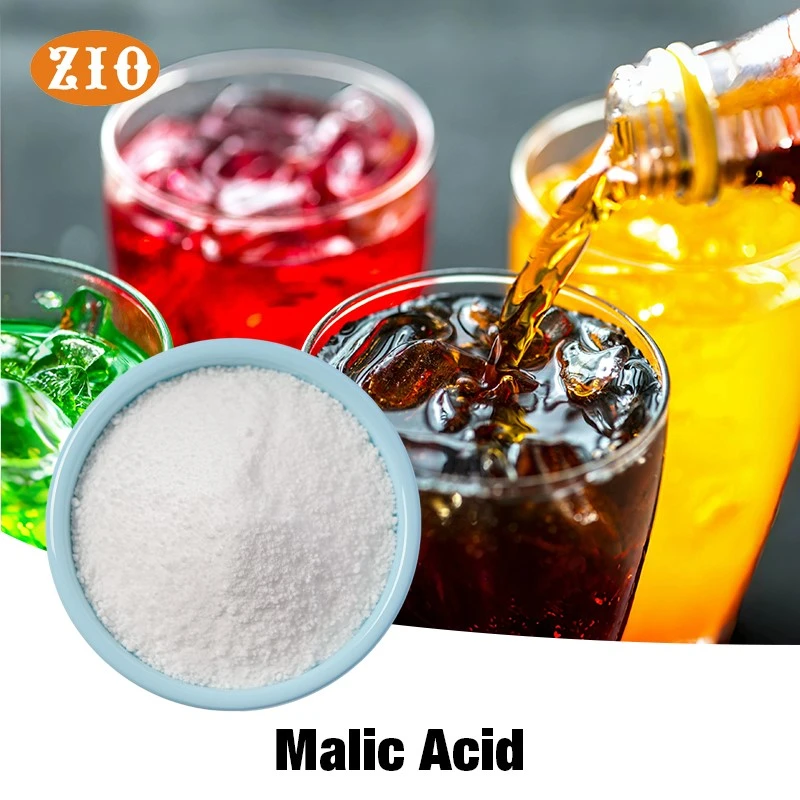

You might be wondering: why use manufactured malic acid when it's so common in nature? There are a few reasons. First, natural extraction from fruits would be unsustainable and expensive-you'd need thousands of tons of apples to produce enough malic acid for a single beverage brand, which isn't practical. Fermentation is a more efficient, scalable process that produces a consistent, pure product. Second, manufactured malic acid is tightly regulated, with strict purity standards that ensure it's safe for human consumption, free of contaminants, and consistent in every batch. That's critical for food and beverage manufacturers, where even small variations in acidity can ruin a product's flavor or shelf life.
Another point about malic acid's natural occurrence: it's not just for flavor. In plants, malic acid helps with photosynthesis, regulates stomata (the tiny pores on leaves that take in carbon dioxide), and even protects plants from stress like drought or disease. When we use malic acid in food, we're tapping into a compound that's biologically relevant, which is why it's recognized as safe by regulatory bodies like the FDA and EFSA. It's also a mild acid, less tart than citric acid or ascorbic acid, so it works well in products where you want a subtle, long-lasting tang rather than an immediate, sharp bite.
Let's also address a common misconception: some people think malic acid is only used in sour candies, but that's far from the truth. Its natural role in fruits means it's a workhorse in the food industry for everything from fruit juices and soft drinks to baked goods, jams, and even meat products. In baked goods, malic acid helps activate leavening agents, so it's used in some cake mixes and breads to improve texture and rise. In jams and jellies, it works with pectin to help set the product, creating a better texture than some other acids. And in savory products, like processed meats or sauces, it balances salt and umami flavors, making the overall taste more complex.
As a supplier, I've seen firsthand how understanding the natural roots of malic acid helps our customers choose the right product for their needs. If you're a craft soda maker developing a new apple-flavored drink, you'll want L-malic acid to match the natural flavor of apples. If you're a snack manufacturer making sour cream and onion chips, DL-malic acid's slightly different profile will work better in the dry seasoning. If you're a winemaker adjusting the acidity of your wine, you'll use malic acid (often derived from grape sources, or our high-quality food-grade malic acid) to get that crisp, balanced taste.
All our malic acid products are manufactured in facilities that meet global food safety standards, so you can trust that they're suitable for a wide range of applications. We've spent years refining our production process to ensure consistent purity, and we work closely with food and beverage manufacturers to understand their specific needs, whether that's formulation advice, compliance documentation, or custom blending.
If you're a food or beverage professional looking for a reliable malic acid supplier, we're here to help. Whether you need a small batch for product development or a large, ongoing supply for your manufacturing line, we can provide the right malic acid product for your application, from food and beverage uses to seasonings and instant foods. We also offer technical support to help you integrate malic acid into your formulations, including guidance on pH adjustment, flavor pairing, and shelf life optimization. Don't hesitate to reach out to our team to discuss your requirements-we're ready to work with you to find the perfect acidity solution for your products.
References:
- De Fischer, J. (2018). "Organic Acids in Plant Metabolism and Food Flavor." Journal of Agricultural and Food Chemistry, 66(22), 5529-5536.
- Pehrsson, P. R., et al. (2020). "Malic Acid Content of Common Fruits and Vegetables: A Comprehensive Analysis." Food Chemistry, 312, 126089.
- EFSA Panel on Food Additives and Flavourings (2021). "Safety Assessment of Malic Acid as a Food Additive." EFSA Journal, 19(4), e06528.
- Williams, C. A., & Smith, L. (2019). "Microbial Production of Food-Grade Malic Acid: Process Optimization and Quality Control." Applied Microbiology and Biotechnology, 103(15), 6123-6135.