

Hey there, folks! As a saccharin sodium supplier, I've seen firsthand how popular this artificial sweetener is in various industries, from food and beverage to pharmaceuticals. But let's face it, working with any chemical compound comes with its risks. That's why I'm here to share some essential safety precautions when handling saccharin sodium.
First off, what the heck is saccharin sodium? Well, it's a synthetic sweetener that's about 300 - 400 times sweeter than regular sugar. It's used in a ton of products because it adds sweetness without the calories. You can find more info about it on our website Saccharin Sodium.
Personal Protective Equipment (PPE)
When you're dealing with saccharin sodium, always suit up with the right personal protective equipment. This isn't optional; it's a must - do.
Gloves
Wear chemical - resistant gloves. Latex or nitrile gloves are usually a good choice. Saccharin sodium can get absorbed through the skin, and you don't want that. It might cause skin irritation, and in some cases, long - term exposure could have other health effects. Make sure the gloves fit well and cover your hands up to the wrists.
Goggles
Protect your eyes! Splashes of saccharin sodium can cause irritation, redness, and in severe cases, damage to your eyes. Safety goggles are non - negotiable. They should form a tight seal around your eyes to prevent any particles or liquid from getting in.
Respirator
If you're working in an area where there's a risk of inhaling saccharin sodium dust, a respirator is essential. N95 respirators are a great option. They can filter out most of the fine particles in the air. Just make sure it fits properly; there should be no gaps between the respirator and your face.
Handling and Storage
Now, let's talk about how to handle and store saccharin sodium safely.
Handling
When transferring saccharin sodium from one container to another, be super careful. Pour it slowly to avoid spills. If you're using a scoop or a measuring device, make sure it's clean and dry. Contaminants can change the properties of saccharin sodium and might even lead to chemical reactions.
And don't handle it in a hurry. Rushing can cause accidents. For example, if you're weighing it using a scale, take your time to get an accurate measurement. This not only helps in maintaining the quality of your product but also reduces the risk of spills.
Storage
Store saccharin sodium in a cool, dry place. High temperatures and humidity can cause it to clump or degrade. Use sealed containers to prevent moisture and air from getting in. Label the containers clearly with the name, date of receipt, and any other relevant information.
Keep it away from incompatible substances. You don't want it near strong oxidizing agents, for example. They could react with saccharin sodium and cause a fire or explosion.

Hygiene Practices
Good hygiene is crucial when handling saccharin sodium.
Wash Your Hands
After handling saccharin sodium, always wash your hands thoroughly with soap and water. Don't forget to clean under your nails as well. Even if you were wearing gloves, there could still be some particles on your hands.
Avoid Eating and Drinking
Don't eat, drink, or smoke in the area where you're handling saccharin sodium. Accidentally ingesting it can cause health problems. Make sure you take breaks in a separate area where you can have a snack or a drink without any risk of contamination.
Spill and Leak Response
Accidents happen, and spills or leaks are a possibility when working with saccharin sodium. Knowing how to respond is key.
Containing the Spill
If there's a spill, contain it as soon as possible. Use absorbent materials like sand or vermiculite. Pour them over the spill to soak it up. Don't try to clean it up with water right away, as it could spread the spill further.
Cleaning Up
Once the spill is contained, carefully scoop up the absorbent material and the saccharin sodium into a sealed container. Dispose of it according to local regulations. Then, clean the area with a mild detergent and water to remove any remaining residues.
First Aid Measures
In case of an accident, it's important to know the first - aid measures.
Skin Contact
If saccharin sodium gets on your skin, immediately remove any contaminated clothing. Wash the affected area with plenty of soap and water for at least 15 minutes. If the irritation persists, seek medical attention.
Eye Contact
Flush your eyes with plenty of water for at least 15 minutes. Hold your eyelids open to make sure the water reaches all parts of your eyes. Then, seek medical help right away.
Ingestion
If someone accidentally swallows saccharin sodium, don't induce vomiting unless instructed by a medical professional. Give the person plenty of water to drink and seek immediate medical attention.
Product - Specific Info
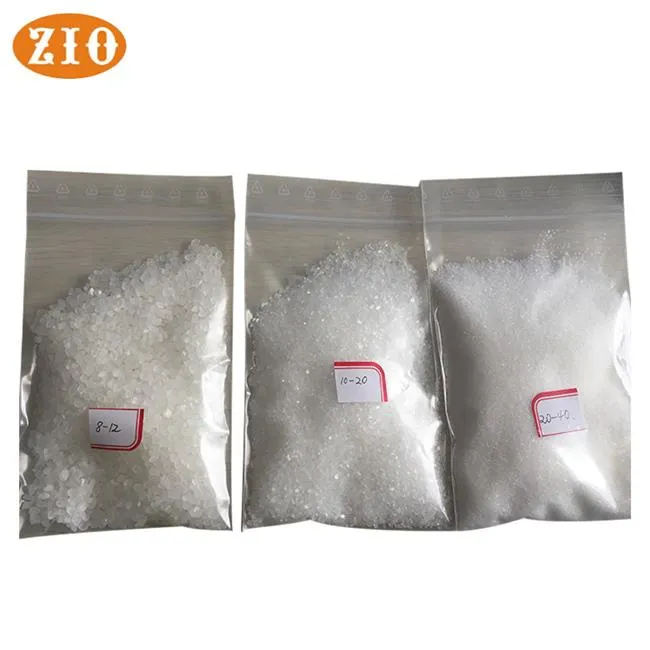
We offer different types of saccharin sodium products. For example, Sodium Saccharin Anhydrous CAS 128 44 9 is a great option for those who need a high - purity product. And Sodium Saccharin 8 - 12 Mesh Food Grade is perfect for food applications.
Each product might have slightly different handling requirements, so always check the product data sheet for detailed information.
Conclusion
So there you have it, folks! These are the main safety precautions when handling saccharin sodium. By following these guidelines, you can protect yourself, your colleagues, and the environment.
If you're in the market for saccharin sodium, we're here to help. We offer high - quality products at competitive prices. Whether you need a small quantity for research or a large - scale supply for your business, we've got you covered. Contact us to start your procurement discussions and let's work together to meet your sweetening needs!
References
- International Agency for Research on Cancer (IARC). Monographs on the Evaluation of Carcinogenic Risks to Humans.
- Material Safety Data Sheets (MSDS) for Saccharin Sodium.