

Pickled foods have been a part of human diets for centuries, offering a unique blend of flavors and extended shelf life. Preservatives play a crucial role in ensuring that these pickled delicacies remain safe, flavorful, and free from spoilage. As a leading preservatives supplier, we understand the science behind how preservatives work in pickled foods and are committed to providing high - quality solutions to the food industry.
The Basics of Pickling and Preservation
Pickling is a method of food preservation that involves soaking food in an acidic solution, typically vinegar or brine. The acidic environment created by pickling inhibits the growth of many microorganisms, such as bacteria, yeasts, and molds, which are responsible for food spoilage. However, in some cases, additional preservatives are needed to ensure long - term stability and safety.

Preservatives are substances added to food products to prevent or slow down the growth of microorganisms, chemical reactions, and physical changes that can lead to spoilage. They work in several ways, depending on their type and mechanism of action.
Types of Preservatives Used in Pickled Foods
There are several types of preservatives commonly used in pickled foods, including natural and synthetic options. Some of the most widely used preservatives in pickling are:
1. Salt
Salt is one of the oldest and most common preservatives used in pickling. It works by drawing water out of the food through osmosis, creating a hypertonic environment that is inhospitable to microorganisms. Additionally, salt can also interfere with the enzymes and metabolic processes of bacteria, inhibiting their growth and reproduction.
2. Vinegar
Vinegar is another essential component in pickling. It is a weak acid that lowers the pH of the pickling solution, creating an acidic environment that inhibits the growth of many bacteria and molds. The acetic acid in vinegar also has antibacterial properties, further enhancing the preservation effect.
3. Potassium Sorbate
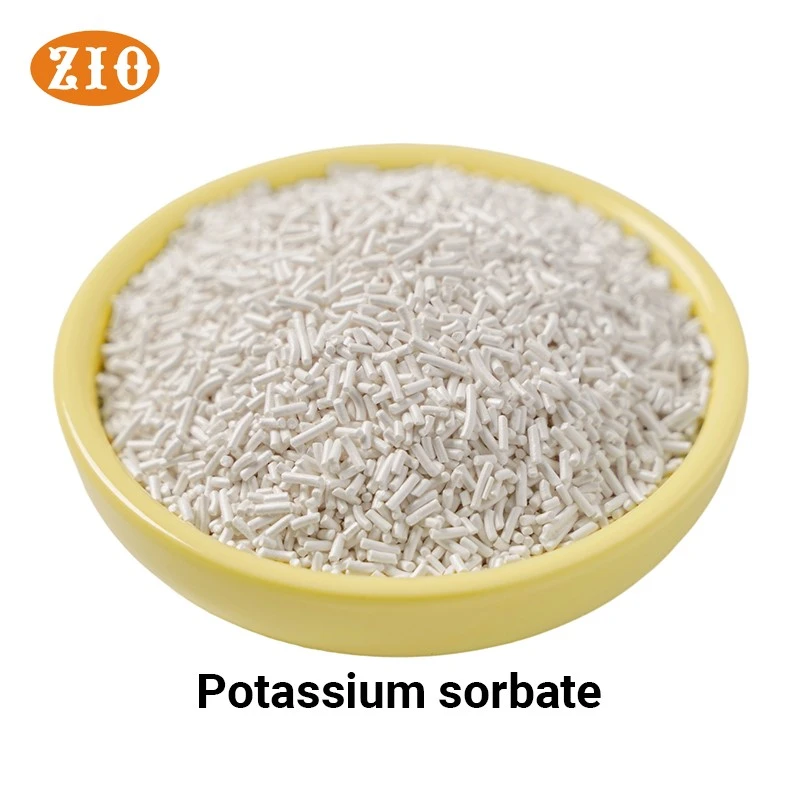
Potassium Sorbate is a synthetic preservative that is widely used in the food industry, including pickled foods. It is effective against a broad spectrum of microorganisms, including yeasts, molds, and some bacteria. Potassium Sorbate works by interfering with the metabolic processes of microorganisms, preventing them from growing and reproducing. Potassium Sorbate E202 in Food provides more detailed information on its applications in food.
Potassium Sorbate is often preferred in pickled foods because it is odorless, tasteless, and has a low toxicity level. It can be used in combination with other preservatives to enhance the preservation effect. Our Crystalline Safe Potassium Sorbate Powder is a high - quality option for pickling applications, offering excellent solubility and stability.
4. Sodium Benzoate
Sodium Benzoate is another common preservative used in pickled foods. It is effective against yeasts, molds, and some bacteria, especially in acidic environments. Sodium Benzoate works by entering the cells of microorganisms and disrupting their metabolic processes, ultimately leading to their death.
Mechanisms of Action of Preservatives in Pickled Foods
1. Inhibition of Microbial Growth
The primary function of preservatives in pickled foods is to inhibit the growth of microorganisms. They do this by creating an environment that is unfavorable for microbial survival. For example, salt and vinegar lower the water activity and pH of the pickling solution, respectively, making it difficult for bacteria, yeasts, and molds to grow.
Preservatives like Potassium Sorbate and Sodium Benzoate target specific metabolic pathways in microorganisms. They can interfere with the synthesis of essential cellular components, such as proteins and nucleic acids, or disrupt the cell membrane, leading to cell death.
2. Antioxidant Activity
Some preservatives used in pickled foods also have antioxidant properties. Oxidation can cause food to deteriorate, leading to changes in color, flavor, and nutritional value. Antioxidant preservatives, such as ascorbic acid (vitamin C) and tocopherols (vitamin E), can prevent or slow down the oxidation process by neutralizing free radicals.
In pickled foods, oxidation can occur when the food is exposed to air or when certain enzymes in the food react with oxygen. Antioxidant preservatives can help maintain the quality and freshness of the pickled products over time.
3. pH Regulation
Maintaining the proper pH is crucial for the preservation of pickled foods. Most microorganisms grow best in a neutral or slightly alkaline environment. By adding acidic preservatives like vinegar or citric acid, the pH of the pickling solution can be lowered to a level that inhibits microbial growth.
Some preservatives, such as Potassium Sorbate and Sodium Benzoate, are more effective at lower pH values. They can be used in combination with acidifying agents to ensure that the pickling solution has the optimal pH for preservation. Acid Preservative Potassium Sorbate For Food is an example of a product that can be used to achieve the right pH and preservation effect.
Factors Affecting the Effectiveness of Preservatives in Pickled Foods
1. Concentration
The concentration of preservatives in pickled foods is a critical factor in determining their effectiveness. If the concentration is too low, the preservatives may not be able to inhibit microbial growth effectively. On the other hand, if the concentration is too high, it can affect the taste, texture, and nutritional value of the pickled products.
It is important to follow the recommended usage levels of preservatives, which are typically specified by regulatory authorities. These levels are based on extensive research and ensure the safety and quality of the food products.
2. Temperature
Temperature can also affect the effectiveness of preservatives in pickled foods. Microorganisms grow more rapidly at higher temperatures, so it is important to store pickled products at the appropriate temperature. In general, pickled foods should be stored in a cool, dry place to slow down the growth of microorganisms and extend their shelf life.
3. Food Composition
The composition of the pickled food can also influence the effectiveness of preservatives. For example, foods with a high fat content may require different preservatives or higher concentrations of preservatives compared to foods with a low fat content. Additionally, the presence of other ingredients, such as spices and herbs, can interact with preservatives and affect their effectiveness.
Quality Assurance and Safety
As a preservatives supplier, we are committed to providing high - quality products that meet the strictest safety and quality standards. Our preservatives are manufactured using state - of - the - art technology and are rigorously tested to ensure their effectiveness and safety.
We also provide technical support and guidance to our customers to help them use our preservatives effectively in their pickled food products. Whether you are a small - scale pickler or a large - scale food manufacturer, we can work with you to develop the best preservation solution for your needs.
Contact Us for Your Preservative Needs
If you are in the pickled food industry and are looking for high - quality preservatives, we invite you to contact us for more information. Our team of experts is ready to assist you in choosing the right preservatives for your products and ensuring that they meet all regulatory requirements. We can also provide samples and technical data to help you make an informed decision.
References
- Jay, J. M., Loessner, M. J., & Golden, D. A. (2005). Modern Food Microbiology. Springer.
- Davidson, P. M., & Harrison, M. A. (2002). Antimicrobials in Foods. CRC Press.
- Leistner, L. (2000). Basic aspects of food preservation by hurdle technology. International Journal of Food Microbiology, 55(1 - 3), 181 - 186.