

Lactitol is a sugar alcohol that has gained significant attention in the food industry due to its unique properties and potential health benefits. As a lactitol supplier, I often receive inquiries about its impact on various health parameters, including cholesterol levels. In this blog post, I will delve into the scientific evidence to explore whether lactitol has an impact on cholesterol levels.
Understanding Lactitol
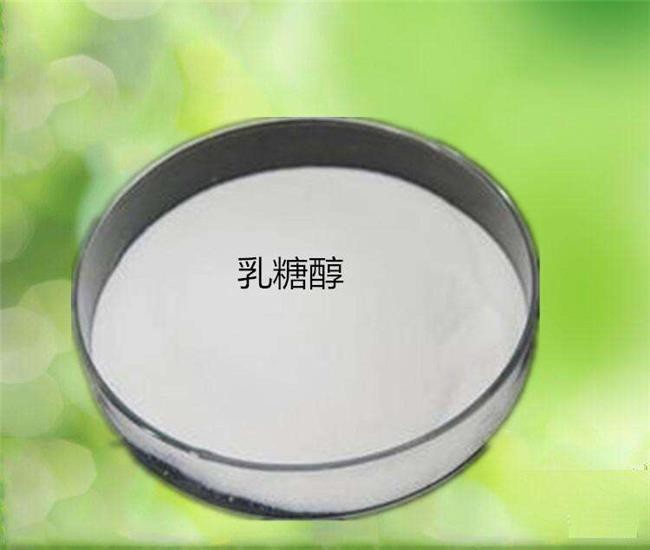
Lactitol is a disaccharide sugar alcohol derived from lactose. It is commonly used as a sweetener in a variety of food products, including confectionery, baked goods, and dairy products. Lactitol has a similar sweetness to sucrose but with fewer calories, making it an attractive alternative for those looking to reduce their sugar intake. Additionally, lactitol has a low glycemic index, which means it causes a slower and more gradual rise in blood sugar levels compared to other sugars.
Cholesterol and Its Impact on Health
Cholesterol is a waxy, fat-like substance that is found in all cells of the body. It plays a crucial role in various bodily functions, such as the production of hormones, vitamin D, and bile acids. However, high levels of cholesterol in the blood can increase the risk of heart disease and stroke. There are two main types of cholesterol: low-density lipoprotein (LDL) cholesterol, often referred to as "bad" cholesterol, and high-density lipoprotein (HDL) cholesterol, known as "good" cholesterol. LDL cholesterol can build up in the arteries, forming plaque and narrowing the blood vessels, while HDL cholesterol helps remove excess cholesterol from the bloodstream and transport it back to the liver for processing.
The Potential Impact of Lactitol on Cholesterol Levels
Several studies have investigated the potential impact of lactitol on cholesterol levels. While the results are not entirely conclusive, there is some evidence to suggest that lactitol may have a beneficial effect on cholesterol profiles.

One of the proposed mechanisms by which lactitol may affect cholesterol levels is through its prebiotic properties. Prebiotics are non-digestible substances that stimulate the growth and activity of beneficial bacteria in the gut. Lactitol is a prebiotic that can selectively promote the growth of bifidobacteria, a group of beneficial bacteria that have been associated with various health benefits, including improved cholesterol metabolism. Bifidobacteria can produce short-chain fatty acids (SCFAs) through the fermentation of lactitol in the gut. SCFAs have been shown to have a positive impact on cholesterol metabolism by reducing the production of cholesterol in the liver and increasing the excretion of cholesterol in the feces.
In addition to its prebiotic effects, lactitol may also have a direct impact on cholesterol absorption in the intestines. Some studies have suggested that lactitol can bind to bile acids in the gut, preventing their reabsorption and promoting their excretion in the feces. Since bile acids are synthesized from cholesterol in the liver, increased excretion of bile acids can lead to a reduction in cholesterol levels in the blood.
Scientific Studies on Lactitol and Cholesterol Levels
A number of clinical studies have been conducted to evaluate the effects of lactitol on cholesterol levels in humans. While the results have been somewhat mixed, several studies have reported positive findings.
For example, a randomized, double-blind, placebo-controlled study published in the European Journal of Clinical Nutrition investigated the effects of lactitol supplementation on cholesterol levels in overweight and obese individuals. The study participants were divided into two groups: one group received lactitol supplementation (20 g per day) for 12 weeks, while the other group received a placebo. At the end of the study, the group that received lactitol supplementation showed a significant reduction in total cholesterol and LDL cholesterol levels compared to the placebo group.
Another study published in the British Journal of Nutrition examined the effects of lactitol on cholesterol metabolism in healthy volunteers. The study participants were given a diet supplemented with lactitol (15 g per day) for 4 weeks. The results showed that lactitol supplementation significantly increased the excretion of bile acids in the feces and reduced the production of cholesterol in the liver, leading to a decrease in total cholesterol and LDL cholesterol levels.
However, not all studies have found significant effects of lactitol on cholesterol levels. Some studies have reported no significant changes in cholesterol profiles after lactitol supplementation. These discrepancies may be due to differences in study design, sample size, duration of supplementation, and the baseline cholesterol levels of the study participants.
Other Health Benefits of Lactitol
In addition to its potential impact on cholesterol levels, lactitol offers several other health benefits. As mentioned earlier, lactitol has a low glycemic index, which makes it suitable for individuals with diabetes or those looking to manage their blood sugar levels. It can be used as a sugar substitute in a variety of food products without causing a rapid spike in blood sugar.
Lactitol also has a laxative effect, which can help promote regular bowel movements and prevent constipation. This is due to its ability to draw water into the intestines and increase the volume of the stool. However, it is important to note that excessive consumption of lactitol may cause gastrointestinal side effects, such as bloating, gas, and diarrhea, especially in individuals with sensitive digestive systems.
Conclusion
Based on the available scientific evidence, there is some indication that lactitol may have a beneficial impact on cholesterol levels. Its prebiotic properties and potential effects on cholesterol absorption and metabolism suggest that lactitol could play a role in improving cholesterol profiles. However, more research is needed to fully understand the mechanisms involved and to confirm the long-term effects of lactitol on cholesterol levels.
As a lactitol supplier, I am committed to providing high-quality lactitol products to meet the needs of our customers. We offer a range of lactitol products, including Lactitol Monohydrate Syrup, Lactitol Monohydrate Food Grade, and Sweeteners Food Additives Lactitol Powder. These products are suitable for use in a variety of food applications and can provide a healthy and low-calorie alternative to traditional sugars.
If you are interested in learning more about our lactitol products or would like to discuss potential applications in your food products, please feel free to contact us. We would be happy to assist you with your inquiries and provide you with samples for testing.
References
- Roberfroid MB. Prebiotics: the concept revisited. J Nutr. 2007;137(3 Suppl 2):830S-837S.
- Cummings JH, Macfarlane GT. Role of intestinal bacteria in nutrient metabolism. J Nutr. 1997;127(9 Suppl):1899S-1905S.
- Delzenne NM, Cani PD. Interactions between polysaccharides and gut microbiota and consequences on health. Curr Opin Biotechnol. 2011;22(2):193-199.
- Ellegard L, Andersson H. Effects of lactitol on gastrointestinal function, blood glucose, and serum lipids in healthy subjects. Am J Clin Nutr. 1993;58(3):304-309.
- Ritsema T, Smeets-Peeters M, Bosveld M, et al. Effect of lactitol on blood lipids in overweight and obese subjects. Eur J Clin Nutr. 2004;58(1):114-120.