

Xylitol, a natural sweetener, has gained significant popularity in recent years due to its numerous health benefits and versatile applications in the food industry. As a leading xylitol supplier, I am often asked whether xylitol can be used in ice cream. In this blog post, I will explore the feasibility, benefits, and considerations of using xylitol in ice cream production.
Feasibility of Using Xylitol in Ice Cream
Xylitol is a pentahydroxy alcohol that occurs naturally in many fruits and vegetables. It has a sweet taste similar to sucrose but with a lower caloric value and a cooling effect on the palate. These properties make it an attractive alternative to traditional sweeteners in ice cream production.
One of the key considerations when using xylitol in ice cream is its solubility. Xylitol is highly soluble in water, which means it can easily dissolve in the ice cream mix during the production process. This ensures a uniform distribution of sweetness throughout the ice cream, resulting in a consistent flavor profile.
Another important factor is the freezing point depression of xylitol. Like other sweeteners, xylitol lowers the freezing point of the ice cream mix, which helps prevent the formation of large ice crystals and gives the ice cream a smoother texture. This is particularly important for achieving a high-quality, creamy ice cream product.
Benefits of Using Xylitol in Ice Cream
1. Reduced Caloric Content
One of the main advantages of using xylitol in ice cream is its lower caloric value compared to sucrose. Xylitol contains approximately 2.4 calories per gram, which is about 40% less than the 4 calories per gram found in sucrose. By replacing sucrose with xylitol in ice cream, manufacturers can offer a lower-calorie alternative to consumers who are looking to manage their calorie intake.
2. Dental Health Benefits
Xylitol has been shown to have several dental health benefits. It inhibits the growth of Streptococcus mutans, a bacteria that is primarily responsible for tooth decay. By using xylitol in ice cream, manufacturers can offer a product that is not only delicious but also beneficial for oral health.

3. Glycemic Index
Xylitol has a low glycemic index (GI) of approximately 13, compared to a GI of 100 for glucose. This means that xylitol causes a slower and more gradual increase in blood sugar levels compared to other sweeteners. For individuals with diabetes or those looking to manage their blood sugar levels, xylitol can be a suitable sweetener option in ice cream.
4. Natural and Clean Label Appeal
Consumers are increasingly demanding natural and clean label products. Xylitol is a natural sweetener that can be derived from renewable sources such as birch bark or corn cobs. By using xylitol in ice cream, manufacturers can meet the growing consumer demand for natural and clean label products.
Considerations When Using Xylitol in Ice Cream
1. Cost
One of the main challenges of using xylitol in ice cream is its higher cost compared to sucrose. Xylitol is more expensive to produce, which can increase the overall cost of ice cream production. However, as the demand for xylitol continues to grow and production technologies improve, the cost of xylitol is expected to become more competitive in the future.
2. Taste and Texture
While xylitol has a sweet taste similar to sucrose, it also has a cooling effect on the palate. This cooling effect can be more pronounced in ice cream, which may not be desirable for some consumers. Additionally, xylitol can have a slightly different texture compared to sucrose, which may require some adjustment in the ice cream formulation to achieve the desired texture.
3. Regulatory Considerations
Before using xylitol in ice cream, manufacturers need to ensure compliance with relevant food safety regulations. In some countries, there may be specific regulations regarding the use of xylitol in food products, including maximum usage levels and labeling requirements. It is important for manufacturers to stay informed about these regulations and ensure that their products meet all applicable standards.
Our Xylitol Products for Ice Cream Production
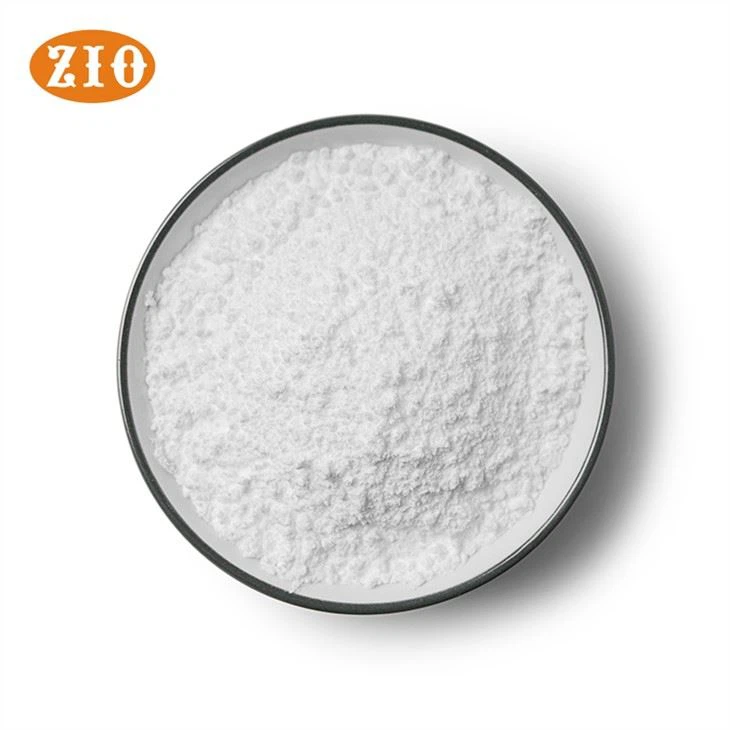
As a xylitol supplier, we offer a range of high-quality xylitol products that are suitable for ice cream production. Our Crystalline Powder Xylitol is a pure and natural sweetener that is highly soluble and has a consistent particle size, making it ideal for use in ice cream. Our Sweeteners Healthy Xylitol Natural is a premium-grade xylitol that is sourced from sustainable and renewable sources, ensuring a clean and natural product. And our Bulk Sweetener Xylitol Food Grade is available in large quantities at competitive prices, making it a cost-effective option for ice cream manufacturers.
Conclusion
In conclusion, xylitol can be used in ice cream production, offering several benefits such as reduced caloric content, dental health benefits, and a low glycemic index. However, there are also some considerations to keep in mind, including cost, taste and texture, and regulatory compliance. As a xylitol supplier, we are committed to providing high-quality xylitol products that meet the needs of ice cream manufacturers. If you are interested in using xylitol in your ice cream production, we encourage you to contact us to discuss your specific requirements and explore the possibilities of using our xylitol products. We look forward to working with you to create delicious and healthy ice cream products.
References
- Aalto, T., & Tenkanen, M. (2001). Xylitol - properties, production and applications. Applied Microbiology and Biotechnology, 56(1-2), 1-11.
- Bowen, W. H., & Koo, H. (2011). Xylitol and dental caries: a systematic review and meta - analysis. Caries Research, 45(3), 233-241.
- Livesey, G., Taylor, R., & Livesey, H. (2003). Glycemic index of foods: a physiological basis for carbohydrate exchange. American Journal of Clinical Nutrition, 77(3), 672-676.